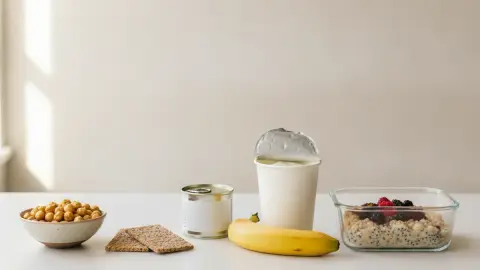
Snacks at work: no fridge, with a fridge, with a microwave
Choose a work snack by where it will be kept.
What holds up about food and what turned out to be a story someone told well. No banned lists, no superfoods.
Choose a work snack by where it will be kept.

You can eat any of these foods in the evening: your weight depends on the total for the day, not on the hour of the last bite.

A 250 ml mug with 50 ml of 2.

WHO recommends that free sugars supply less than 10% of your energy intake, and ideally less than 5%: at 2,000 kcal that is under 50 g and under 25 g.
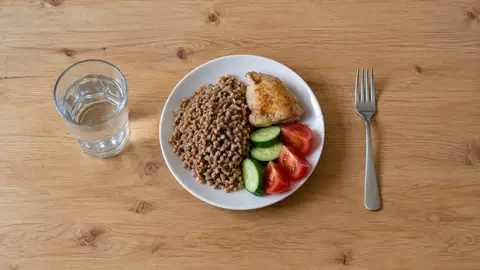
People eat more when they are served a bigger portion, when they eat fast, after a short night and alongside alcohol.

The caffeine calculator adds up milligrams from a table of average values per drink and compares the total with the EFSA level: up to 400 mg a day for an adult, up to 200 mg in pregnancy and breastfeeding, and 3 mg per kilogram of body weight for a child or teenager.

As of 5 October 2026, beef tallow remains one of the visible food trends: Whole Foods put the “tallow takeover” first in its 2026 forecast, and the new US Dietary Guidelines list it as an option for cooking.
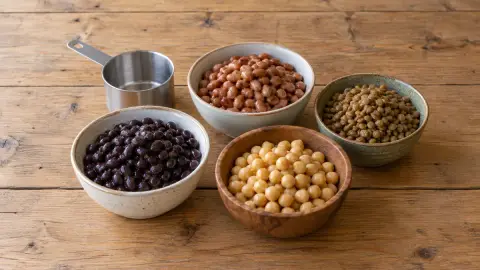
As of 5 October 2026, “BeanTok” is still running on TikTok and Instagram: creators eat two cups of beans a day and link it to gut health, weight loss and fewer sugar cravings.
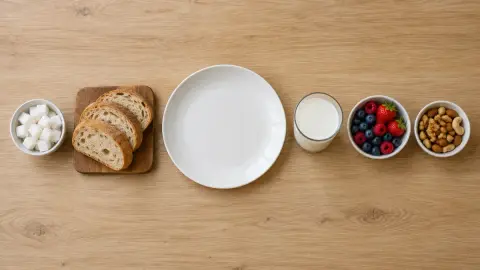
Cutting a food out completely has consequences: you can lose the chance of a diagnosis, fall short on nutrients, or build a fear of food.
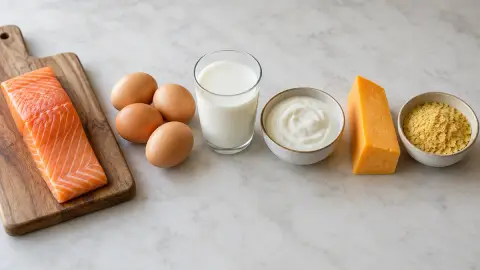
Vitamin B12 occurs naturally only in foods of animal origin; plant foods have it only when fortified.
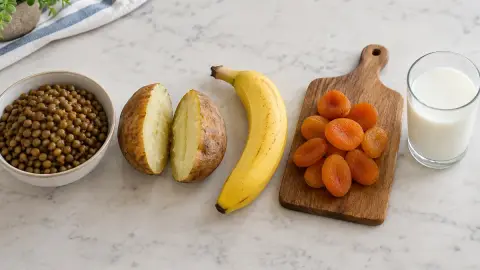
Adults are advised about 3500 mg of potassium a day, by Rospotrebnadzor and by the European agency EFSA alike.
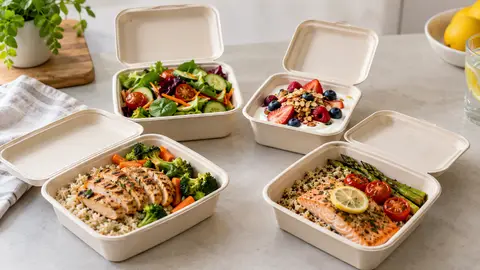
Choose a prepared meal plan by its actual daily menu, delivery terms and full price.
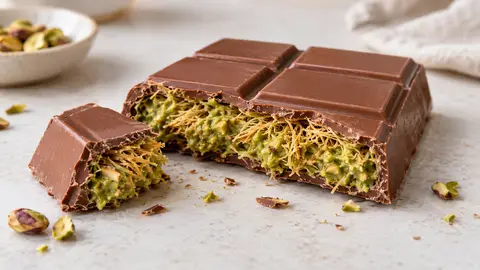
The VkusVill milk chocolate with pistachios and kataifi examined here contains 557 calories per 100 g.
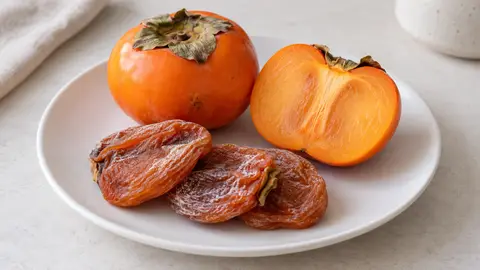
The USDA reference entry for fresh Japanese persimmon contains 70 calories per 100 g.
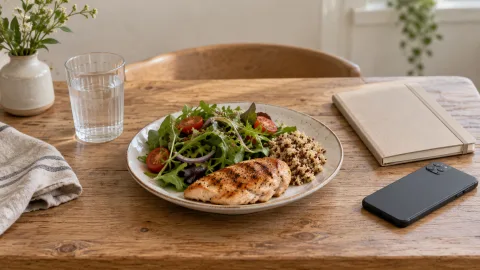
The choice between them should be based not on effectiveness but on your goal: intuitive eating changes your relationship with food, while calorie counting measures energy.
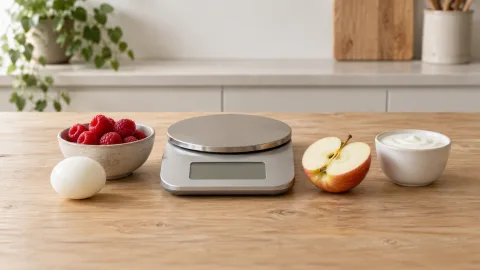
100 kcal fits 667 g of cucumber or 17 g of peanut butter: calorie-wise they’re equal, but not in satiety.
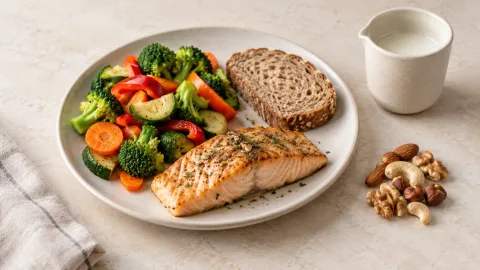
DASH is an eating plan designed to lower blood pressure: plenty of vegetables, fruits, and whole grains; low-fat dairy; and limited salt and sweets.
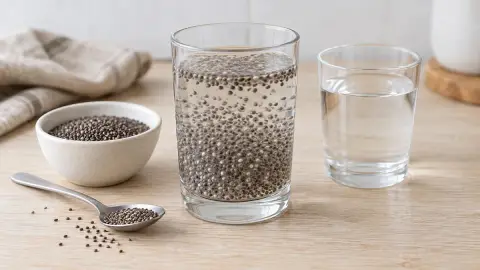
Chia seeds develop a clear gel in water, but they do not turn the drink into a calorie-free “super hydrator.

The front label says “non-alcoholic,” but the answers to three different questions—how much alcohol remains, how much sugar is in the drink, and how many calories are in a glass—appear in different places.

Matcha contains caffeine.
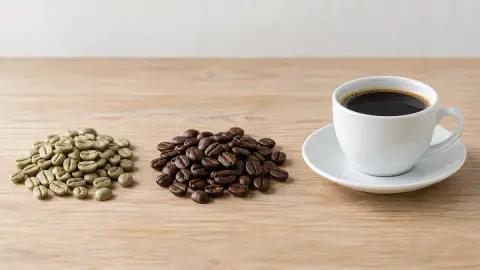
Decaffeinated coffee is not coffee without caffeine, but coffee where it makes up no more than 0.
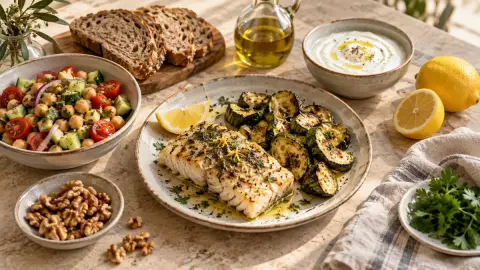
Build a Mediterranean-style week around vegetables, grains, beans, fish and plant oils.
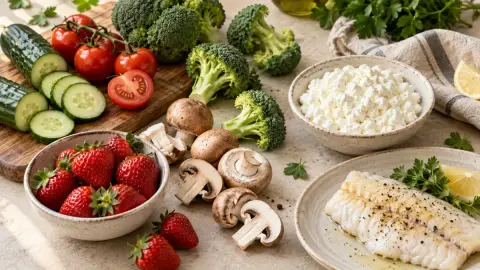
Cucumbers, tomatoes, zucchini, berries and plain yogurt add variety without many calories per serving.

Adults are advised 1000 mg of calcium a day in Russia and 950 mg by EFSA.
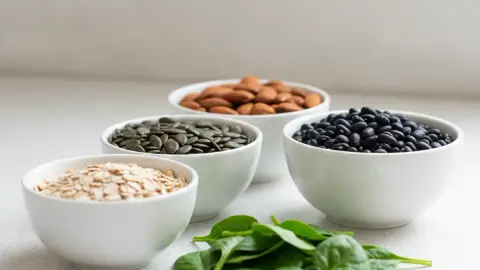
People often look for magnesium in a supplement bottle, though everyday foods contain it too.
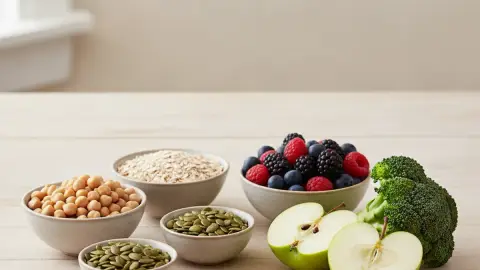
You do not need bran or a specialty bar to get more fiber.
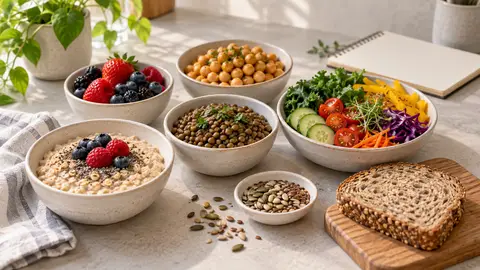
Fibermaxxing is the 2026 search term for the idea of adding as much fiber to your diet as possible.

After bariatric surgery, tracking food changes purpose.

A diary for gestational diabetes is not about self-discipline or “try writing things down.

In October 2015, processed meat was placed in the same classification group as tobacco, and the headlines wrote themselves.

For the past couple of years, sunflower, rapeseed, and soybean oils have been labeled as sources of inflammation and the primary cause of everything.

Fermentation is a preservation method invented long before the refrigerator: bacteria consume sugars and produce acid, and in an acidic environment, spoilage-causing organisms cannot survive.

FODMAP is not a weight-loss diet or a list of harmful foods.

For most people, dinner is the largest meal of the day, and this is not a mistake in their routine.

PP is a Russian abbreviation for "proper nutrition" (clean eating).

The smoke point is usually cited as the main criterion for choosing a cooking oil.

Honey, maple syrup, and agave syrup are marketed as sugar substitutes.
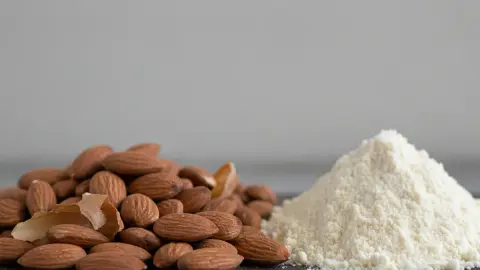
The calorie content of nuts in reference books is calculated, not measured, and for nuts, the calculation is systematically overstated.
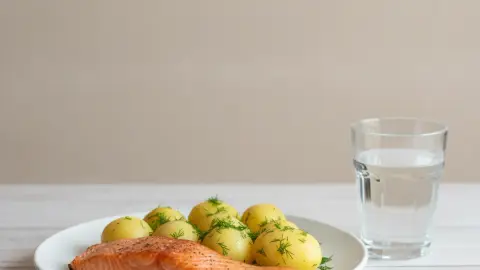
A long list of restrictions has formed around the diet of a nursing mother, which is almost entirely unsupported by evidence, alongside a very short list of what is actually important.
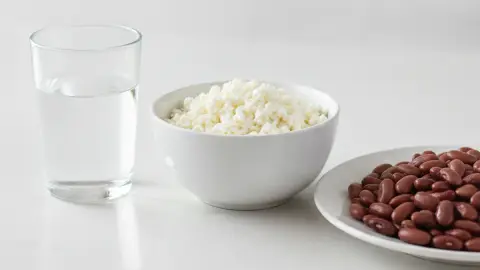
Lists of "foods to avoid with gout" are usually based on purine content tables.
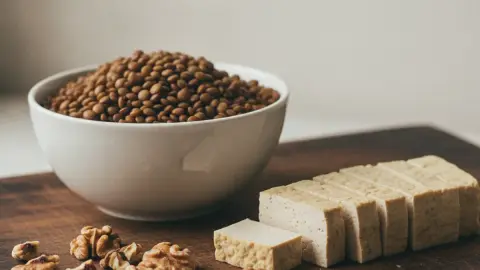
From a nutritional perspective, fasting means the simultaneous removal of meat, fish, dairy, and eggs from the diet—essentially all common sources of protein.

Headlines claiming that "scientists have proven product X reduces the risk of Y" almost always describe a study that does not support such a conclusion.

The difference between these terms lies not in the depth of knowledge, but in legal status.

Multivitamins have been tested in randomized trials involving tens of thousands of people—a rare case in nutrition where we have experiments with placebos rather than just observations.

Iodine is necessary for the thyroid gland to synthesize hormones, and the daily requirement is measured in micrograms—but it is not always easy to obtain from a standard diet.
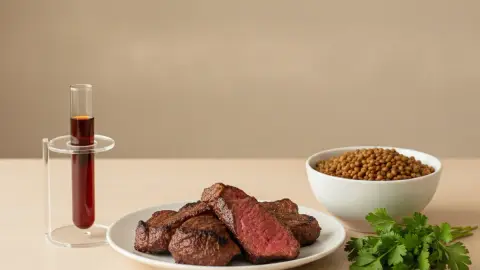
Ferritin is tested more often than any other iron metabolism marker and is most frequently misinterpreted.

People usually only know the upper limit for fat.
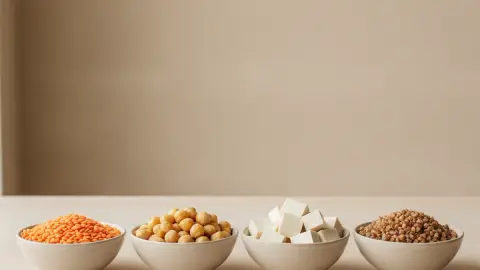
The difference between plant and animal protein is not that one is "complete" and the other is "incomplete"—it comes down to two specific factors: amino acid profile and digestibility.

Creatine is the most studied supplement on the shelf, but trials involving women make up a smaller portion of this research.

A pre-workout supplement is a blend of five to fifteen substances, only one of which is reliably effective.

Fruit is the only food that is simultaneously called a source of sugar and recommended for daily consumption.
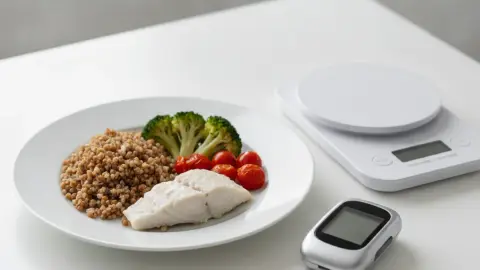
Debates about diet for type 2 diabetes often focus on choosing the right diet.

The insulin index shows how much insulin is released in response to a portion of food with the same caloric value.

Choosing based solely on calories leads to odd decisions: a salad with dressing ends up being "heavier" than a chicken breast, and the lightest item on the menu becomes mineral water.

Food really does reduce tension—this is not a character flaw, but a functional mechanism, which is why it becomes a habit.

Cravings for sweets rarely have a single cause, which is why the universal advice to "just don't eat them" doesn't work.

A meta-analysis of randomized trials showed a difference from placebo of about 1.

Berberine is a plant alkaloid that shows an effect on carbohydrate and lipid metabolism markers in meta-analyses.

Four different products with similar images sit on adjacent shelves: juice, nectar, mors, and juice-containing drinks.

There are three questions about coffee, and they are different: how much caffeine is safe, does coffee harm your health, and why a latte with syrup costs as much as a full meal.

The difference between regular soda and its "zero" version comes down to one line in the ingredients: a sweetener instead of sugar.

The composition of an energy drink looks impressive: taurine, glucuronolactone, inositol, B vitamins, and guarana extract.

Black, green, oolong, and white teas are all the same leaf from the same plant, differing only in the degree of oxidation.

Vitamin D differs from other vitamins in that humans can produce it themselves—in the skin under ultraviolet light.

A glass of warm lemon water in the morning is a habit surrounded by an impressive list of promises: to boost metabolism, alkalize the body, flush out toxins, and help with weight loss.
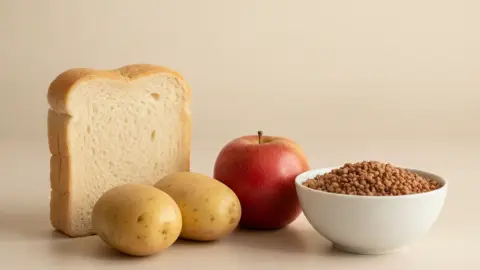
The classification of carbohydrates into fast and slow is older than the data it is supposed to be based on.
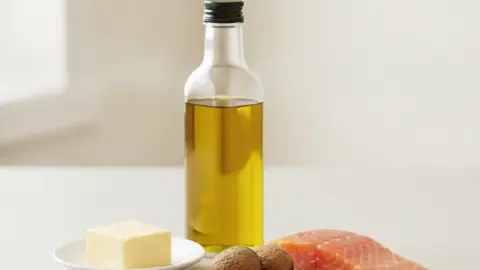
Dividing fats into "healthy" and "unhealthy" is convenient for a headline but almost useless at the grocery shelf: a single product usually contains all types at once, and the difference between them is not about general health benefits, but about specific effects.
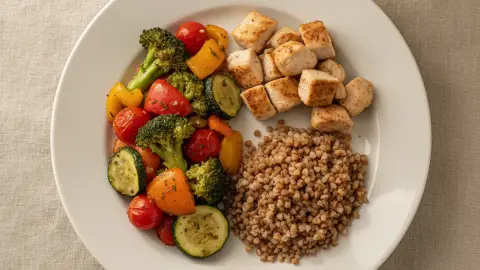
People look for a ready-made weekly menu to avoid thinking.

Breakfast is called the most important meal of the day, and the justification is usually linked to weight: those who skip breakfast overeat in the evening.
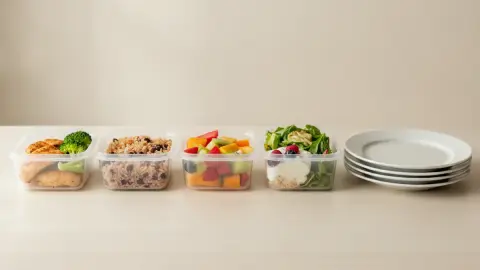
The advice to eat often and in small portions sounds so familiar that it is rarely questioned.

The word "sugar" appears in ingredients less often than sugar itself does in a product: it has a dozen legal names, and the manufacturer has every right to use any of them.

The front of a package speaks in short words: "light," "fitness," "sugar-free," "eco.

An ingredient list contains E330, and it is impossible to tell from this code whether it is citric acid or something better to avoid.

A label looks like a list of words from which everyone reads something different: one person considers a long list of ingredients a red flag, another looks for E numbers.
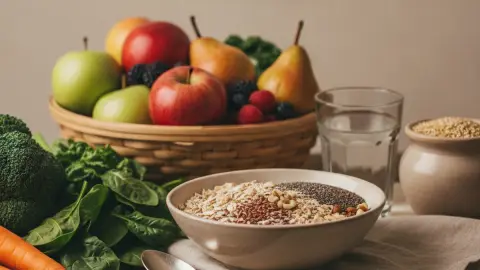
We know that we "need more" fiber, but that is usually where the conversation ends: it is unclear what it physically does, why it causes bloating, and where the 25–30 grams per day recommendation comes from.
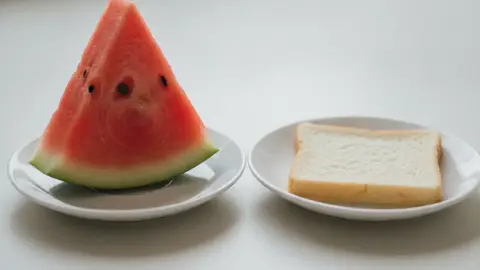
Glycemic index tables look like a list of allowed and forbidden foods: buckwheat has one number, potatoes have another, and it seems straightforward from there.

Food additives have a general background of suspicion, but E621 stands apart: it is feared specifically, with symptoms and stories.

Milk that caused no issues in childhood may start to trigger bloating and rumbling by your twenties—and this can feel like a malfunction that needs fixing.

The "no eating after six" rule has outlived dozens of diets and continues to serve as the primary advice for weight loss.

The feeling of heaviness, bloating, and being "clogged up" is familiar to almost everyone, and the word "toxins" explains it faster than any other.

Gluten has become the word people reach for to explain bloating, fatigue and stubborn weight, and also the word people say with a smirk.
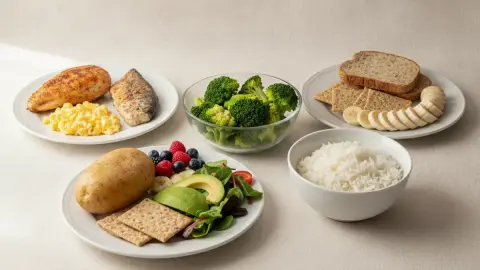
Almost everyone has heard some version of the rule: meat on one plate, potatoes on another.

People talk about “an acidic body” as though it were a condition you can acquire from the wrong breakfast and correct with the right water.
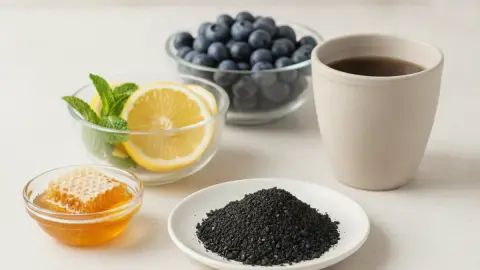
Activated charcoal is cheap, sold without a prescription, and taken for almost anything: the morning after, a weekend cleanse, sometimes a course of capsules for weight loss.

Two equally confident claims circulate about collagen.

Arguments about sweeteners are conducted as though the choice were between them and plain water.

Palm oil has become the universal explanation for everything bad in food.

In a pharmacy, two packages of vitamin D sit on the same shelf.
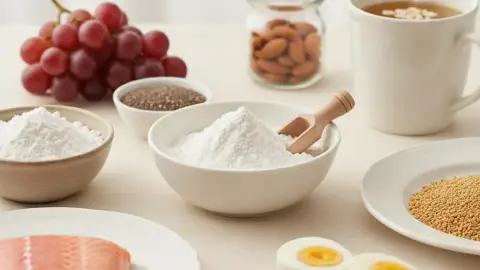
The sports nutrition shelf is arranged so that expensive and useless products stand next to cheap and effective ones.

Almost all nutrition plans fail not because of a lack of knowledge, but because of execution.

Two things on packaging cause the most fear: codes with the letter E and the acronym "GMO.

Caloric intake answers one question: how much of you there will be.

Calorie counting does not burn fat.
From reading to doing. All of it starts in one place — knowing what is on the plate. Photograph it and the calories and macros appear on their own.
Other sections: Weight loss · Calorie counting · Health · Technology · Ingredients and additives · Allergies · Shopping · Biohacking · Recipes · All articles
This article is for general information. It is not medical advice, a diagnosis, or a prescription for treatment or a diet, and it does not replace a consultation with your doctor. If you have a health condition, are pregnant, take medication, or follow a diet prescribed to you, decisions about food belong with your doctor.
Figures from regulations, guidelines and studies are given as they stood when this article was prepared and may since have changed; check them against the primary sources. This article is not advertising, an offer, or individual advice, and neither the author nor the site owner is responsible for decisions taken on the basis of it.