Plant protein: how it compares to animal protein and how to bridge the gap
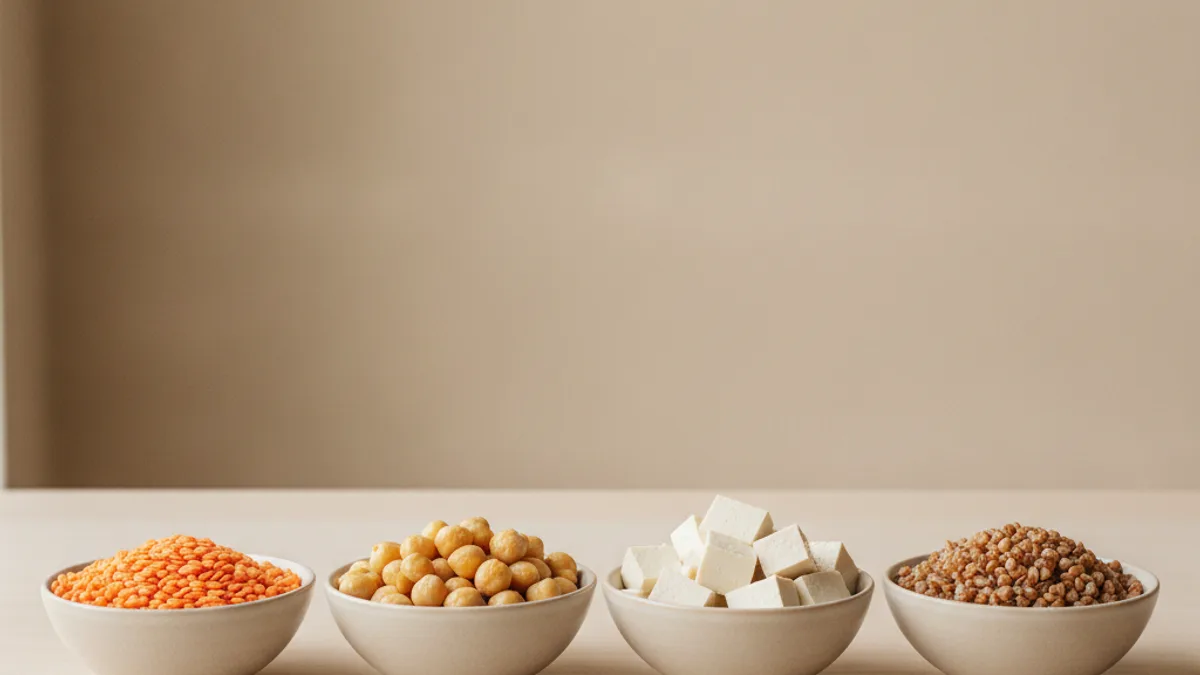
The difference between plant and animal protein is not that one is "complete" and the other is "incomplete"—it comes down to two specific factors: amino acid profile and digestibility. Both factors can be accounted for, and both can be addressed by a varied diet rather than by avoiding plant-based sources.
Two adjustments that differentiate proteins
The first is the amino acid profile. In grains, the limiting amino acid is usually lysine, while in legumes, it is sulfur-containing amino acids, primarily methionine. A product deficient in one essential amino acid meets requirements less effectively, even if the total protein content is high.
The second is digestibility. This is described by the DIAAS score, introduced by the FAO expert consultation: protein quality is assessed based on the digestibility of each essential amino acid rather than total nitrogen. The methodology and rationale are outlined in the FAO report on dietary protein quality evaluation in human nutrition.
The practical conclusion from both adjustments is the same: plant-based sources require variety throughout the day, rather than combination on a single plate.
Do proteins need to be combined in a single meal
No. The idea that "incomplete proteins must be complemented in one sitting" is an outdated simplification. The Academy of Nutrition and Dietetics position on vegetarian diets states this clearly: appropriately planned vegetarian and vegan diets are nutritionally adequate, and amino acid requirements are met through a variety of sources throughout the day.
In other words, buckwheat for lunch and lentils for dinner work just as well as a mixture of the two in one bowl.
What muscle comparisons have shown
The most practical question is whether the protein source affects muscle mass gain. A systematic review with meta-analysis of randomized trials found a difference only in people under 50: in this group, animal protein resulted in 0.41 kg more lean mass gain (interval 0.08–0.74) and 0.50% more in relative terms.
The effect size is less than half a kilogram over the course of a study. This is an argument for not basing all protein intake on a single plant source, but not an argument that plant protein "does not work."
How much to add
A practical adjustment for digestibility is usually formulated as "plus 10–20% to the target protein amount" if the majority of it is plant-based. It is easier to manage this through composition rather than recalculation:
| Source | Protein per 100 g (reference) | What to add alongside |
|---|---|---|
| Lentils, chickpeas, beans (cooked) | 7–9 g | grains or bread — covers methionine |
| Buckwheat, oats, rice (cooked) | 3–5 g | legumes or dairy — covers lysine |
| Tofu | 8–16 g | independent source |
| Soy products, tempeh | 13–19 g | independent source |
| Nuts and seeds | 15–25 g | count along with their calorie content |
These values are approximate, based on the FoodData Central database: specific products will vary. Information on total protein requirements can be found in the article on protein intake.
What to keep in mind besides protein
A diet without animal products requires attention to more than just amino acids. The same Academy of Nutrition and Dietetics position notes the need for a reliable source of vitamin B12 in a vegan diet, as well as attention to iron, zinc, calcium, iodine, and omega-3.
This is not an argument against a plant-based diet; it is a list of what should be planned for in advance. There are materials on specific points: iron and ferritin, iodine, and omega-3.
What it looks like on the plate
- A protein source in every meal. Legumes, tofu, dairy, or eggs, if included in the diet.
- Variety throughout the day, not on one plate. Grains and legumes complement each other in terms of amino acids regardless of whether they are eaten together or separately.
- Account for weight after cooking. Dry lentils contain about 25 g of protein per 100 g, while cooked lentils contain three times less: this is the most common counting error, analyzed in the article on raw vs. cooked weight.
- Don't forget the calorie content of nuts and seeds. They provide protein but come with fat.
Frequently asked questions
- How is plant protein inferior to animal protein?
- In two ways: amino acid profile (lysine is limiting in grains, methionine in legumes) and digestibility, which is assessed using the DIAAS score according to FAO methodology. Both adjustments are covered by diversifying sources.
- Do I need to combine grains and legumes in one meal?
- No. According to the Academy of Nutrition and Dietetics, amino acid requirements are met by consuming a variety of sources throughout the day, rather than by combining them in a single meal.
- Can you build muscle on plant-based protein?
- Yes, but a meta-analysis of randomized trials in people under 50 showed that animal protein resulted in 0.41 kg more lean mass gain. The difference is small and relates to a comparison of sources rather than the ability to grow muscle itself.
- By how much should I increase my protein intake on a plant-based diet?
- A common adjustment is 10–20% above the target amount if most of the protein is plant-based. It is easier to achieve this through a variety of sources than by recalculating grams.
- What else should I consider when giving up animal products?
- Vitamin B12—a reliable source is necessary for a vegan diet—as well as iron, zinc, calcium, iodine, and omega-3. These should be planned for in advance, not after symptoms appear.
Read next
- How much protein do you need per day — There are two opposing figures regarding protein: the official recommendation of about 0.
- Plant-based and cultivated meat: what is in their composition — A pea-based patty and a beef patty look the same and sit side-by-side on the shelf, but they are different products in terms of composition.
- Macro ratio: where percentages come from and what to change first — Proportions like "30/30/40" look like an optimal formula someone has discovered.
- Lenten diet: what changes in your nutrition and where protein is lost — From a nutritional perspective, fasting means the simultaneous removal of meat, fish, dairy, and eggs from the diet—essentially all common sources of protein.
This article is for general information. It is not medical advice, a diagnosis, or a prescription for treatment or a diet, and it does not replace a consultation with your doctor. If you have a health condition, are pregnant, take medication, or follow a diet prescribed to you, decisions about food belong with your doctor.
Figures from regulations, guidelines and studies are given as they stood when this article was prepared and may since have changed; check them against the primary sources. This article is not advertising, an offer, or individual advice, and neither the author nor the site owner is responsible for decisions taken on the basis of it.