Lenten diet: what changes in your nutrition and where protein is lost
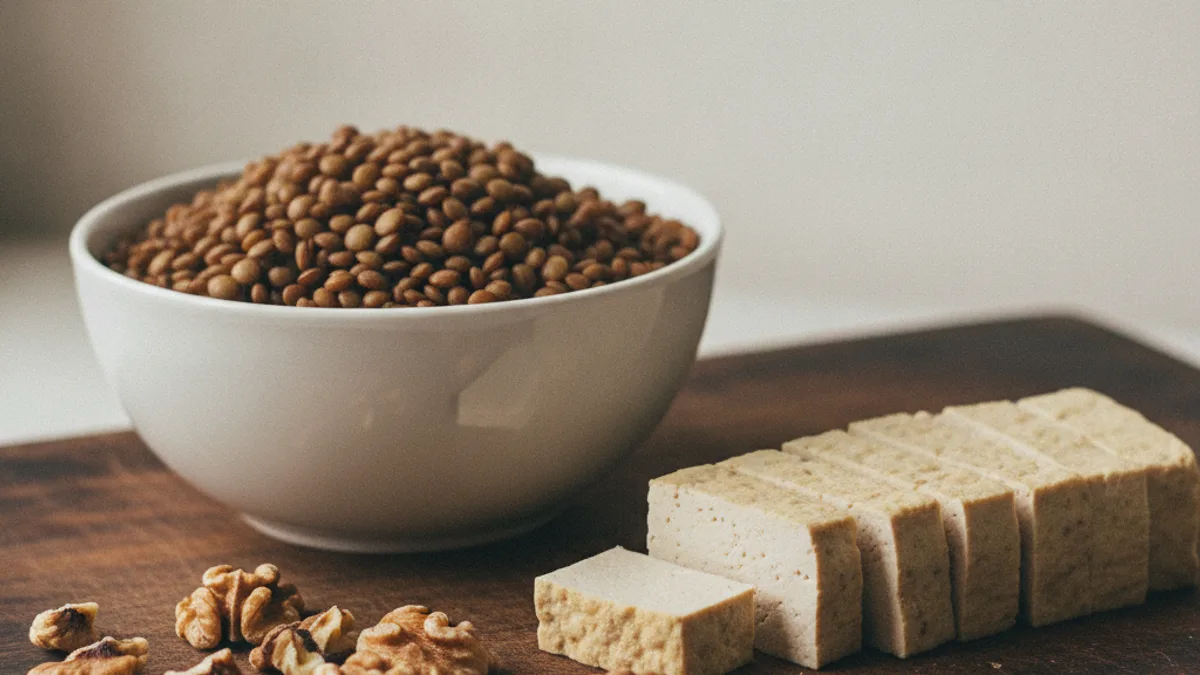
From a nutritional perspective, fasting means the simultaneous removal of meat, fish, dairy, and eggs from the diet—essentially all common sources of protein. Everything else is a consequence of this.
What exactly is removed
In the Orthodox tradition, there are four multi-day fasts: Great Lent, the Apostles' Fast, the Dormition Fast, and the Nativity Fast. The strictness of these fasts varies by day, and fish is permitted on certain days, but the general outline remains the same: no meat, poultry, dairy products, or eggs are consumed.
Church rules explicitly provide for exemptions—for children, pregnant and nursing women, the sick, people traveling, and those engaged in heavy labor. The measure of fasting is a matter for one's confessor, not a nutrition article; the following text only discusses what happens to the diet during this time.
Where the gap forms
Protein. This is the main issue. All sources containing a complete set of essential amino acids are removed from the diet, leaving only those with an incomplete set: legumes are low in methionine, and grains are low in lysine. This is balanced by variety throughout the day, rather than by combining them on a single plate. Read more in our article on how plant protein compares to animal protein.
Secondly, plant protein is less bioavailable, so it is reasonable to increase your intake target by about 10–20% compared to the standard recommended amount.
B12. It is not present in plant-based foods in a form suitable for absorption. This is not critical over a few weeks—the liver maintains a reserve for years—but for someone who fasts through all four periods consecutively and eats little animal-based food otherwise, this becomes a concern.
Calcium and iron. Dairy products are removed entirely, and non-heme iron from plants is absorbed less efficiently than heme iron. Vitamin C consumed in the same meal—such as fresh peppers, cabbage, or citrus fruits—can help with absorption.
How to meet protein needs
| Product | Protein per 100 g | Note |
|---|---|---|
| Soybeans, boiled | ~16 g | The only plant source with a complete set of amino acids |
| Tofu | 8–16 g | Depends on firmness |
| Lentils, boiled | ~9 g | Plus iron and fiber |
| Chickpeas, boiled | ~9 g | |
| Peanuts | ~26 g | High calorie: 570 kcal per 100 g |
| Soy milk | ~3 g | Comparable to cow's milk if unsweetened |
A practical guideline: to get the same 100 g of protein in a fasting diet that you previously obtained from cottage cheese and chicken, you need to eat legumes daily, not just "occasionally." This is the main change in habits that fasting requires, and it is the one most people fail to make.
Fasting does not mean light
The common expectation that weight will drop automatically during a fast does not always come true, and there are two reasons for this.
First: industrial fasting products. Lenten mayonnaise, pastries, candies, and "fasting" semi-finished products are made with vegetable fats, and their fat content is often higher than that of their non-fasting counterparts. Formally, they contain no milk or eggs, but in terms of calories, there may be no difference at all.
Second: a shift in the diet toward carbohydrates. When the protein portion of the plate disappears, it is replaced by grains, potatoes, and bread. The volume of food increases, satiety decreases, and you feel hungry again in two hours. The mechanism is explained separately in our article on energy density.
This leads to the opposite scenario: some people gain weight during a fast. This is not a paradox, but a direct consequence of the two points above.
What to look for on a fasting product label
- Fats. The first number to look at—it explains almost the entire caloric content.
- Type of fat. Palm oil in fasting pastries is common; what is known about it is discussed separately.
- Sugar under other names. Fasting sweets are often based on syrups and molasses. A list of names can be found in our article on hidden sugar.
- Protein. In fasting products, this is often zero, and this is exactly the column you should monitor first and foremost during a fast.
Three things to do in advance
Master two or three legume dishes before the fast begins. Don't just "try lentils," but learn to cook them so you can eat them daily without effort. It is too late to learn once the fast has started.
Check if soy is available in your local stores. Tofu and soy milk are the easiest ways to cover your protein needs, and their availability near your home will determine what your diet looks like.
Discuss with your doctor if necessary. Pregnancy, nursing, diabetes, gastrointestinal diseases, iron deficiency, or prescribed medications—in all these cases, the decision to fast should not be based on the calendar alone.
Breaking the fast
A sudden return to large amounts of fatty and protein-rich food after several weeks without it is difficult to tolerate. This is not about a "weakened stomach" in the colloquial sense, but about the fact that enzyme systems adapt to your usual diet gradually. One celebratory meal with meat, eggs, cheese, and pastries all at once is a predictably unpleasant experience.
It is wiser to reintroduce familiar foods over several days, starting with dairy and eggs and leaving fatty meats for last.
Frequently asked questions
- How much protein is needed during fasting?
- Approximately one-tenth to one-fifth more than the usual guideline: plant-based protein is less digestible than animal-based protein. In practical terms, this means eating legumes every day, rather than occasionally.
- Will I lose weight during fasting?
- Not necessarily. Processed vegan products often rely on vegetable fats and are just as calorie-dense as non-fasting foods, while a diet lacking protein shifts toward grains and bread, which are less satiating.
- Do I need to take B12 during fasting?
- Liver stores are not depleted in a few weeks, so for a one-time fast, this is not an issue. It becomes a concern for those who observe all multi-day fasts and eat little animal-based food outside of them.
Read next
- Plant protein: how it compares to animal protein and how to bridge the gap — The difference between plant and animal protein is not that one is "complete" and the other is "incomplete"—it comes down to two specific factors: amino acid profile and digestibility.
- Vegetarian and vegan diets: what to prioritize in your tracking — Calories in a plant-based diet are calculated exactly the same way as in any other.
- Energy density: why the same calorie count can mean different amounts of food — Energy density is calories per gram, and it is already printed on every package: that very line "per 100 g" that people usually overlook while searching for the per-serving figure.
This article is for general information. It is not medical advice, a diagnosis, or a prescription for treatment or a diet, and it does not replace a consultation with your doctor. If you have a health condition, are pregnant, take medication, or follow a diet prescribed to you, decisions about food belong with your doctor.
Figures from regulations, guidelines and studies are given as they stood when this article was prepared and may since have changed; check them against the primary sources. This article is not advertising, an offer, or individual advice, and neither the author nor the site owner is responsible for decisions taken on the basis of it.