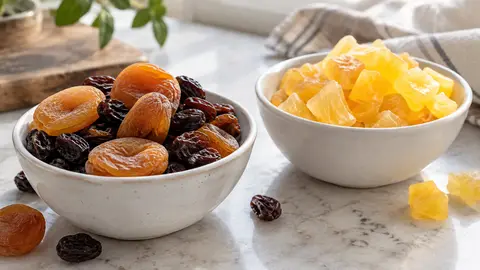
Dried fruit and candied fruit: finding added sugar
To choose dried fruit without added sugar, read the ingredients: “dried” on the front is not enough.
What gets decided before the till: price per kilogram, pack size, dates, standards and shop own-brands. And separately, products whose recipe quietly changed.
To choose dried fruit without added sugar, read the ingredients: “dried” on the front is not enough.
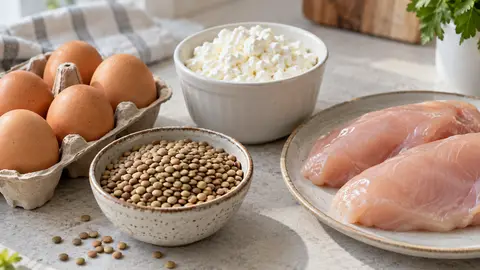
To compare protein costs, divide the pack price by the protein it contains.

Compare glazed curd bars in two passes: read the curd base, coating and filling ingredients, then convert protein and calories to one bar.
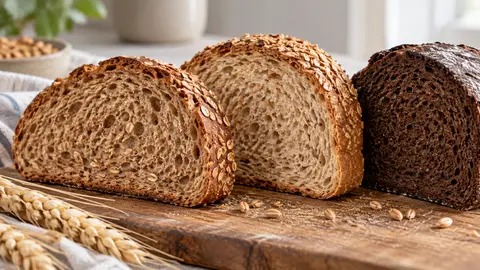
Look for wholegrain flour or whole grain in the ingredients and check its position.
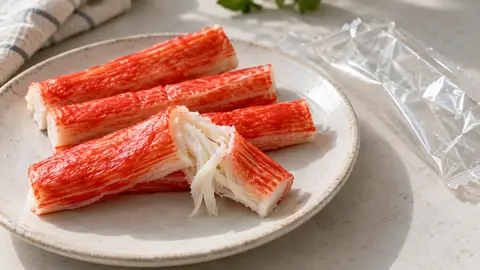
Choose crab sticks using the label on the particular pack: the fish base, its proportion, the other ingredients and the nutrition information.

If a pack in Russia says “milk-containing product with milk fat substitute”, the regulation’s own definition allows up to half of its fat phase to be vegetable.
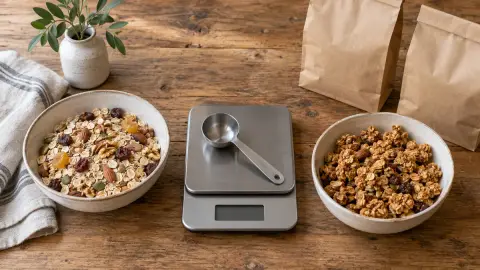
A pack of muesli or granola will not tell you exactly how much added sugar it holds: the "sugars" line adds up everything, syrup and the sugar of dried fruit alike.
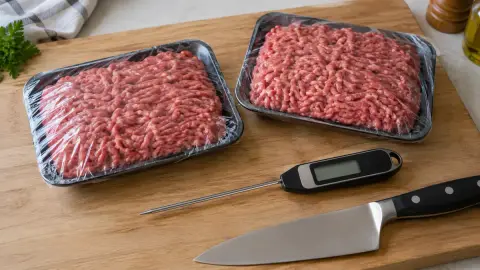
On a pack of ground meat (mince), some words are defined by a standard and tied to limits for protein and fat, and some are just wording.

In Russia and the Eurasian Economic Union the type of ice cream is set by its milk fat: milk ice cream has up to 7.

Two nutrition tables are comparable only when they describe the same weight, the same state of the product and the same units.
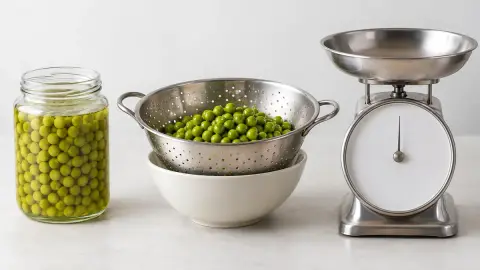
A jar of food packed in liquid should show two weights: everything inside, and the food alone.
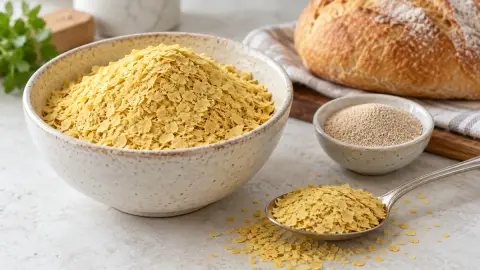
Nutritional yeast is dried, inactive yeast: it adds a savoury flavour but cannot raise dough.

A beverage is called non-alcoholic not when the alcohol content is zero, but when it does not exceed 0.
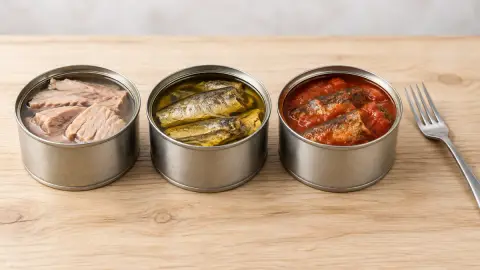
Three inscriptions on a can — "natural", "in oil", and "in tomato sauce" — represent three different standards with different requirements.
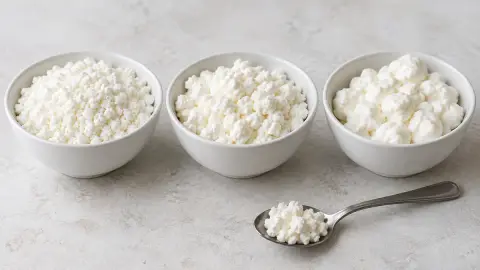
On the tvorog shelf, there are four different products, and the difference between them is specified in the regulation.
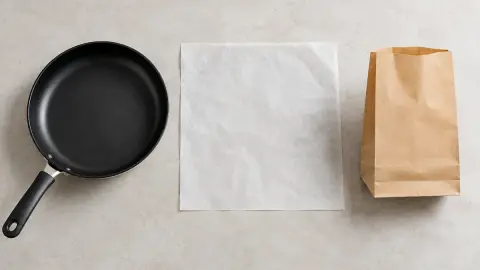
The main pathway of PFAS into the body is not packaging, but fish and eggs, according to estimates by the European food safety agency.

Only two symbols are mandatory on packaging: the glass and fork, and the Mobius loop with a material code.

At a gas station, there is no time to examine the shelf or weigh food.

In an unfamiliar supermarket, a package can look entirely unreadable, but usually only the words are.

An ingredients list in a foreign language in a Russian shop means either a violation, a detached sticker, or a purchase made outside Russia.
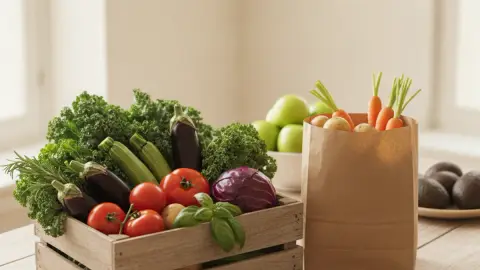
Of all the labels on packaging, "organic" is a rare case where the word is backed by a legal document.
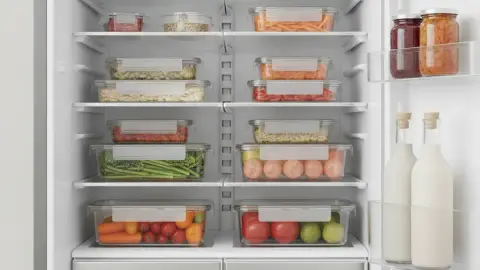
The expiration date on the package refers to an unopened pack under the specified conditions.
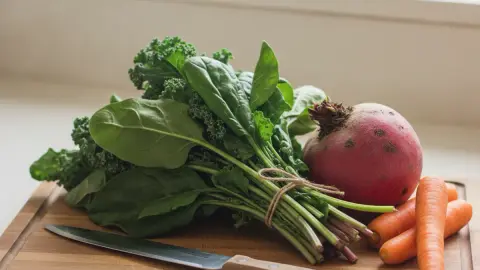
Nitrates are always present in vegetables: they are a form of nitrogen from which the plant builds protein.

Plant-based beverages replace cow's milk in taste and in coffee, but not in composition.

In the yogurt aisle, there are three different products with similar names, and the difference between them is defined by law, not by advertising.
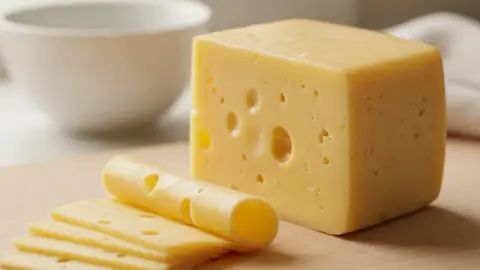
Cheese labeled "45%" does not contain 45 grams of fat per hundred, but rather about 27.
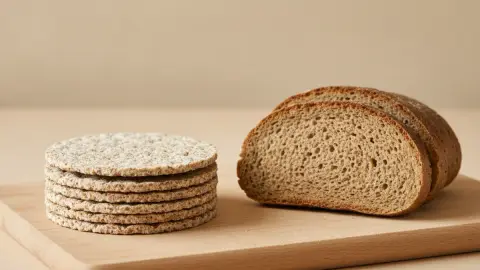
People buy crispbread instead of bread, thinking it is lighter.

In a physical store, you can turn the packaging over in your hands.

Regulations require four lines on a deli salad container: name, production date, shelf life, and storage conditions.
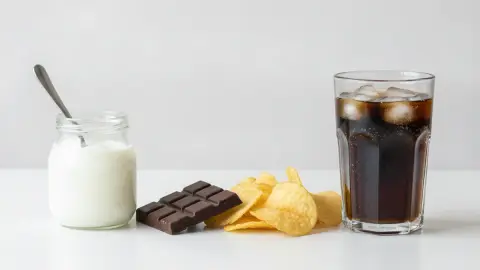
We took an open dataset from Open Food Facts—four and a half million products—and calculated how much sugar is in what is sold in Russia.

In Russia, sports nutrition is sold as dietary supplements, and this defines everything else: they are not tested for efficacy, and the composition on the label is a manufacturer's claim, not the result of an analysis.
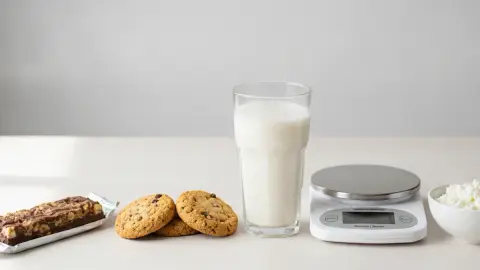
The word "protein" on packaging is not regulated, but "source of protein" and "high protein" are, and they have specific requirements.

The label "for diabetic nutrition" describes one property of a product — it contains fewer simple sugars than its standard counterpart.

Calorie counts are usually absent from menus, leading to the natural conclusion that they are not required.
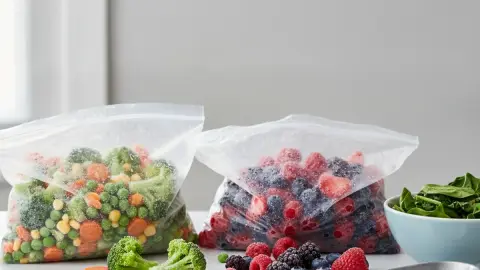
Freezing is often seen as a compromise: fresh is better, and frozen is only for when there is no choice.
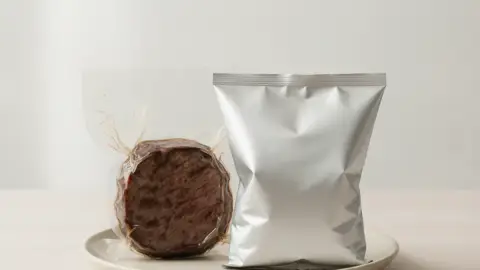
Packaging does more than just hold a product—it is part of the shelf life.

The same brand in two countries may have a different composition, and this is not always about cost-cutting.

The date on packaging is perceived as a boundary between "safe" and "unsafe," although it means different things for different products.

A store-brand product costs 20–40% less than a name-brand equivalent sitting right next to it on the shelf.

A liter of milk has turned into 900 milliliters, a dozen eggs into nine, and a chocolate bar has shrunk from 100 grams to 85.

Cocoa butter is the most expensive part of chocolate, and an entire category of products that look indistinguishable from it has been built around its replacement.
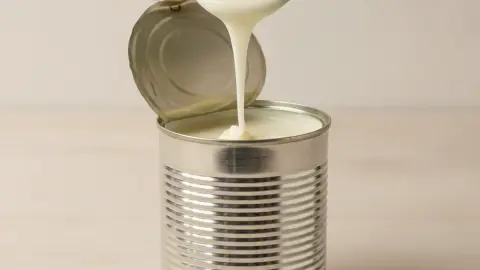
Condensed milk is a product made of two ingredients: milk and sugar.
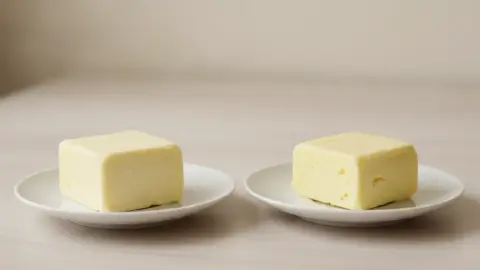
Butter and spread sit side by side, look the same, and cost different amounts.
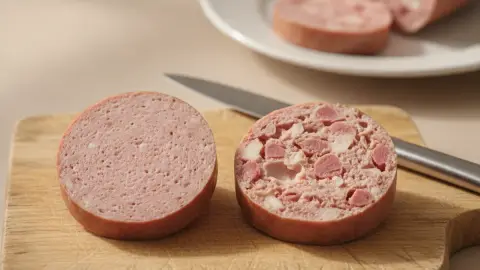
Sausage is the most convenient product for analyzing how recipes change: the changes are documented by percentages right on the packaging.
GOST is often read as a mark of quality, while TU is seen as permission to do whatever one wants.

Coca-Cola is a rare case where changes in the composition of a mass-market product are documented and span more than a hundred years.

Reading an entire ingredient list at the shelf is impossible: the print is small, and there is no time.

There are two numbers on a price tag.

A yellow price tag works not because the price is low, but because it is high-contrast: the eye finds it before it reads the number.
From reading to doing. All of it starts in one place — knowing what is on the plate. Photograph it and the calories and macros appear on their own.
Other sections: Nutrition · Weight loss · Calorie counting · Health · Technology · Ingredients and additives · Allergies · Biohacking · Recipes · All articles
This article is for general information. It is not medical advice, a diagnosis, or a prescription for treatment or a diet, and it does not replace a consultation with your doctor. If you have a health condition, are pregnant, take medication, or follow a diet prescribed to you, decisions about food belong with your doctor.
Figures from regulations, guidelines and studies are given as they stood when this article was prepared and may since have changed; check them against the primary sources. This article is not advertising, an offer, or individual advice, and neither the author nor the site owner is responsible for decisions taken on the basis of it.