How the composition of Coca-Cola has changed: cocaine, sugar, and corn syrup
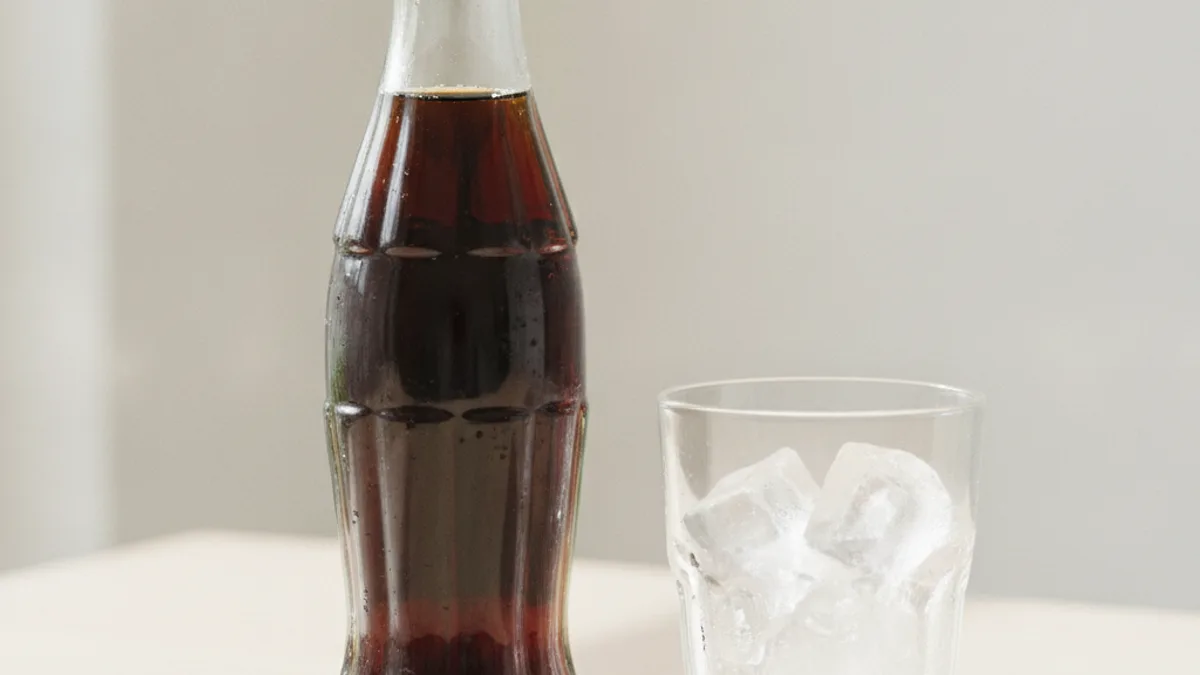
Coca-Cola is a rare case where changes in the composition of a mass-market product are documented and span more than a hundred years. This history provides a convenient way to analyze a common theme: why recipes change, what remains the same on the label, and how the consumer is often the last to know about a change.
What was in the beginning
The drink appeared in 1886 as a tonic syrup based on two components that gave it its name: coca leaf and kola nut. The former contained trace amounts of an alkaloid, the latter — caffeine.
Cocaine was removed from the formula in the early 20th century. At the same time, the coca leaf extract — processed and stripped of the alkaloid — is, according to public information, still used as an aromatic component, and this is one of the few details the company does not hide.
The nut-based source of caffeine was eventually replaced with caffeine itself: it is easier to dose and cheaper. How much is in a can and how to calculate it across all sources — in the article about coffee.
Sugar and corn syrup
The most famous change. In the US in the 1980s, sugar in the drink was replaced with high-fructose corn syrup for economic reasons: it is cheaper there than sugar due to market specifics.
In most other countries, including Russia, regular sugar is used. Hence the talk about how "the taste is different in Mexico": it really is different, and the reason is the sweetener, not the water.
In terms of caloric content and impact on the diet, the difference between them is small: both are free sugars, and WHO recommendations treat them the same. More details — in the article about hidden sugar.
New coke: how changing a formula ends
In 1985, the company replaced the classic formula with a new one, which in blind taste tests outperformed both the original and the competitor. The consumer reaction was sharply negative, and a few months later the old version was brought back under the name Classic.
The lesson from this story is applicable more broadly: a blind taste test measures the first sip, not a habit. For a product that is bought for years, habit weighs more than a test result — and that is precisely why mass-market formulas are more often changed quietly and gradually.
Sugar-free versions
Diet Coke appeared in the early 1980s, Coca-Cola Zero — in the mid-2000s, and both are built on sweeteners instead of sugar: aspartame, acesulfame potassium, and in some markets — other combinations. What is known about this and how to read assessments from expert bodies is analyzed in the articles about sugar substitutes and soda.
A separate detail that does not change in any version: phosphoric acid. It provides a sour taste that balances the sweetness, and it also affects enamel regardless of the presence of sugar — there is an article about phosphates about phosphates.
What this implies about formulas in general
- The composition changes, the name does not. A product under the same name can be different ten years later.
- The reason is usually economic. Replacing an ingredient with a cheaper one is the most frequent motive.
- One brand differs in different countries. Different markets, different lists of permitted substances — more on this in the article about standards in different countries.
- You can only find out from the ingredients list. The front of the package does not report changes.
Other examples of the same trend on the Russian shelf — in the articles about chocolate, butter and spreads, and condensed milk.
Frequently asked questions
- Is it true that Coca-Cola used to contain cocaine?
- The 1886 beverage was based on coca leaf, which contained trace amounts of the alkaloid. Cocaine was removed from the formula in the early 20th century; according to public information, a processed leaf extract, stripped of the alkaloid, is used as a flavoring component.
- Why does the taste differ in different countries?
- In the United States, sugar was replaced by high-fructose corn syrup in the 1980s for economic reasons, while in most other countries, including Russia, regular sugar is used. The sweetener is what causes the difference in taste.
- Is there a difference between sugar and corn syrup for health?
- In terms of caloric content and impact on the diet, the difference is minor: both are classified as free sugars, and WHO recommendations apply to them equally.
- What happened to New Coke?
- In 1985, the classic formula was replaced by a new one that won in blind taste tests. Customers reacted negatively, and the original version was brought back a few months later. A blind taste test measures the first sip, not habit.
- How do the sugar-free versions differ in composition?
- They use sweeteners instead of sugar—aspartame, acesulfame potassium, and other combinations depending on the market. Phosphoric acid remains in all versions and affects tooth enamel regardless of the presence of sugar.
Read next
- Soda and its "zero": what changes when sugar is removed — The difference between regular soda and its "zero" version comes down to one line in the ingredients: a sweetener instead of sugar.
- Hidden sugar: under what names it appears in ingredients — The word "sugar" appears in ingredients less often than sugar itself does in a product: it has a dozen legal names, and the manufacturer has every right to use any of them.
- Food standards in different countries: why the same product varies — The same brand in two countries may have a different composition, and this is not always about cost-cutting.
This article is for general information. It is not medical advice, a diagnosis, or a prescription for treatment or a diet, and it does not replace a consultation with your doctor. If you have a health condition, are pregnant, take medication, or follow a diet prescribed to you, decisions about food belong with your doctor.
Figures from regulations, guidelines and studies are given as they stood when this article was prepared and may since have changed; check them against the primary sources. This article is not advertising, an offer, or individual advice, and neither the author nor the site owner is responsible for decisions taken on the basis of it.