
Calorie counting
Mulled wine calories: homemade, with honey, sugar-free and alcohol-free
Homemade mulled wine from a bottle of dry red wine without sugar provides about 63 kcal per 100 ml, with two spoons of sugar about 86, with four about 108.
The names sugar hides behind, where there is most of it, and what to do about cravings.
Homemade mulled wine from a bottle of dry red wine without sugar provides about 63 kcal per 100 ml, with two spoons of sugar about 86, with four about 108.
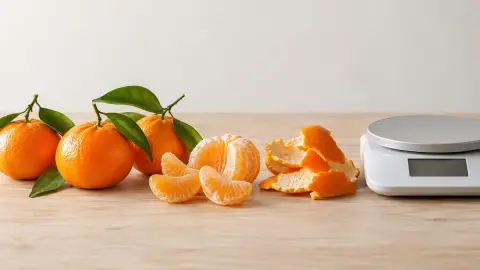
A medium peeled tangerine weighs 88 g and has about 47 kcal, a small one 76 g and 40 kcal, a large one 120 g and 64 kcal.

A 250 ml mug with 50 ml of 2.
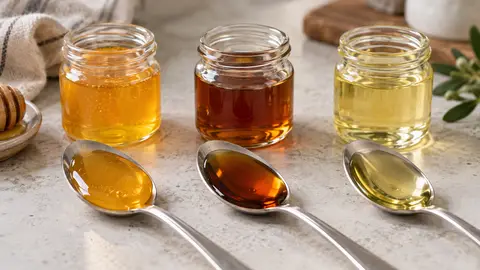
Do not automatically record a tablespoon as 15 g of food.
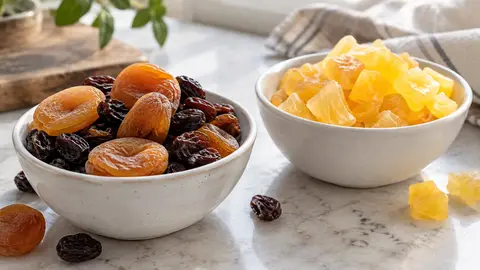
To choose dried fruit without added sugar, read the ingredients: “dried” on the front is not enough.
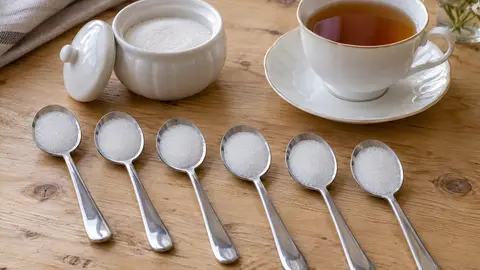
WHO recommends that free sugars supply less than 10% of your energy intake, and ideally less than 5%: at 2,000 kcal that is under 50 g and under 25 g.
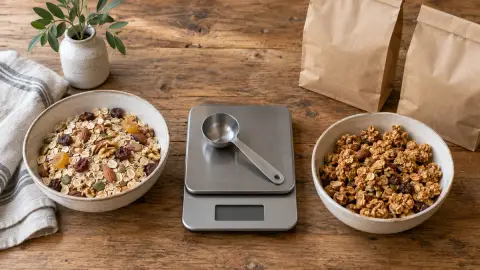
A pack of muesli or granola will not tell you exactly how much added sugar it holds: the "sugars" line adds up everything, syrup and the sugar of dried fruit alike.
Fatty liver disease, or NAFLD, is an excess of fat in the liver in people who do not consume excessive alcohol.
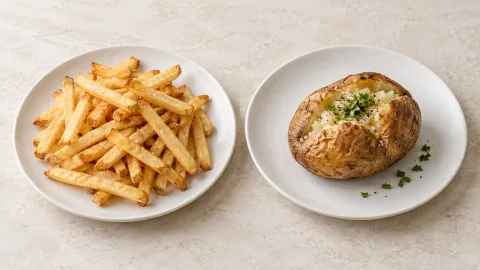
Swapping sauces, sides, and drinks cuts the most calories: mayonnaise for Greek yogurt saves about 180 kcal per 30 g, pasta for zucchini about 280 kcal per serving.
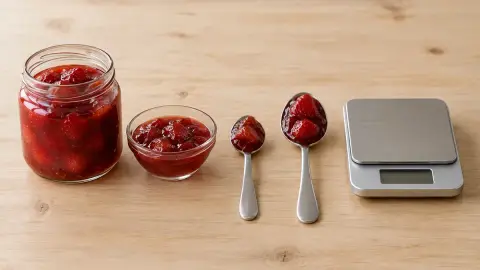
The FoodGPT reference card lists varenye, the Russian whole-fruit preserve, at 271 kcal and 65 g of sugar per 100 g.
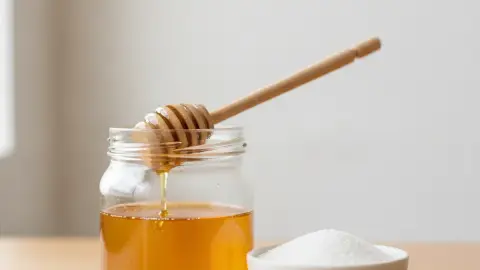
Honey, maple syrup, and agave syrup are marketed as sugar substitutes.
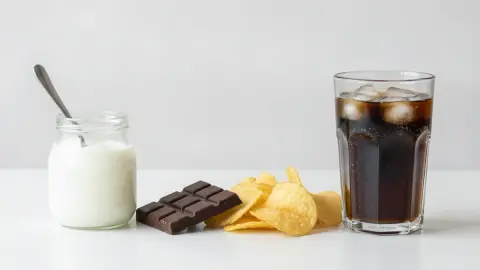
We took an open dataset from Open Food Facts—four and a half million products—and calculated how much sugar is in what is sold in Russia.

Cravings for sweets rarely have a single cause, which is why the universal advice to "just don't eat them" doesn't work.

Coca-Cola is a rare case where changes in the composition of a mass-market product are documented and span more than a hundred years.

The composition of an energy drink looks impressive: taurine, glucuronolactone, inositol, B vitamins, and guarana extract.
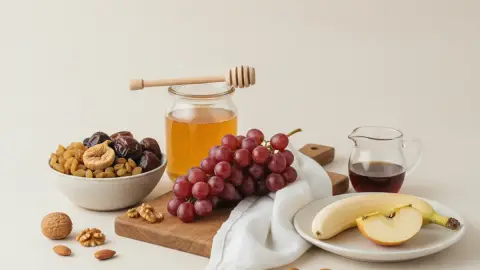
The word "sugar" appears in ingredients less often than sugar itself does in a product: it has a dozen legal names, and the manufacturer has every right to use any of them.
From reading to doing. All of it starts in one place — knowing what is on the plate. Photograph it and the calories and macros appear on their own.
Other topics: Protein · Fats · Carbohydrates · Sweeteners · Fibre · Water and salt · Coffee and tea · Drinks and alcohol · Supplements and vitamins · Sports nutrition · Training · Sleep and routine · Appetite and stress · Fasting · Gut and microbiome · Diabetes and blood sugar · Hormones · Age · Children · Pregnancy and breastfeeding · Eating out · Travelling · Gatherings · Portion size · Food labels · Storage and shelf life · Meat and sausage · Fish and seafood · Dairy · Bread and grains · Sweets and snacks · Plant-based · Food diary · What the research shows · All articles
This article is for general information. It is not medical advice, a diagnosis, or a prescription for treatment or a diet, and it does not replace a consultation with your doctor. If you have a health condition, are pregnant, take medication, or follow a diet prescribed to you, decisions about food belong with your doctor.
Figures from regulations, guidelines and studies are given as they stood when this article was prepared and may since have changed; check them against the primary sources. This article is not advertising, an offer, or individual advice, and neither the author nor the site owner is responsible for decisions taken on the basis of it.