Diet for fatty liver disease: what clinical guidelines say
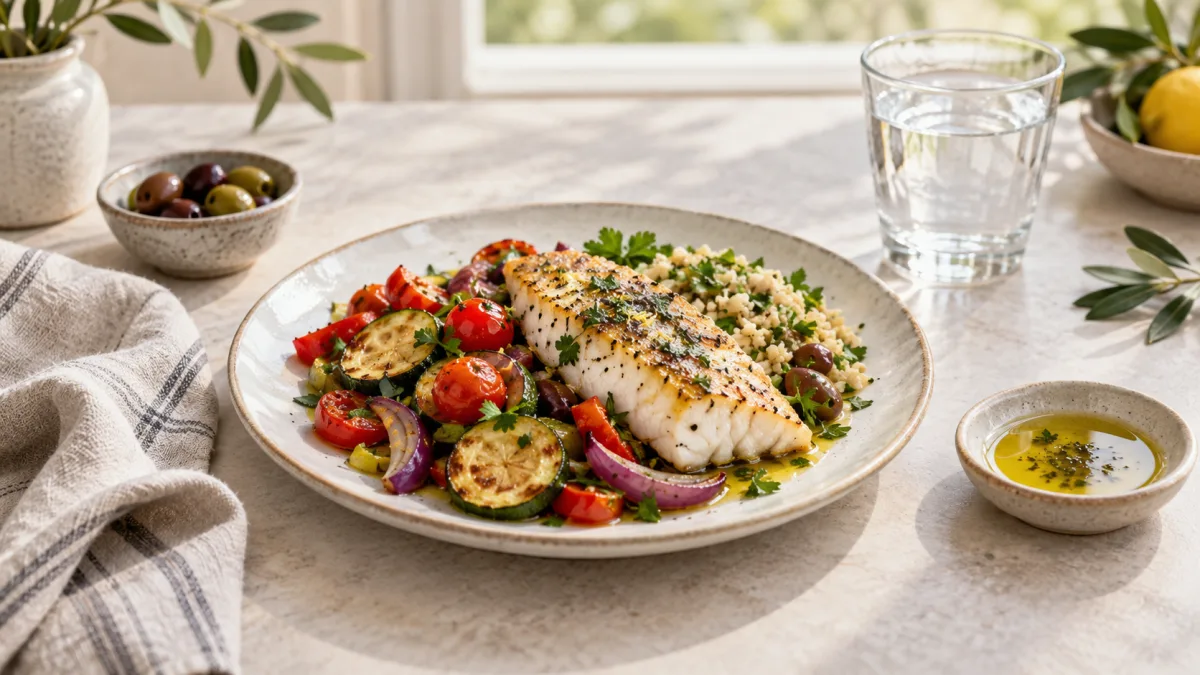
Fatty liver disease, or NAFLD, is an excess of fat in the liver in people who do not consume excessive alcohol. A doctor diagnoses it based on blood tests, ultrasound, and elastography, and clinical guidelines identify nutrition as a cornerstone of treatment. Below is what these guidelines specifically state about food, beverages, alcohol, and supplements; your doctor will determine your individual treatment plan.
What this disease is and why it has a new name
NAFLD—non-alcoholic fatty liver disease—is fat accumulation in liver cells that cannot be explained by alcohol or another identified cause. It often coexists with overweight, type 2 diabetes, high blood pressure, and lipid disorders. More about the fat that accumulates around organs can be found in the article on visceral fat.
In 2023, an international consensus statement prepared by three major hepatology associations proposed changing the name. The terms “non-alcoholic” and “fatty” were considered stigmatizing by many respondents: 61% and 66% of survey participants, respectively, agreed. The new name is metabolic dysfunction–associated steatotic liver disease, MASLD. Diagnosis requires hepatic steatosis plus at least one of five cardiometabolic risk factors (Rinella et al., J Hepatol, 2023).
The 2024 European guidelines use MASLD and state that it replaces the previous term. Russian Ministry of Health guidelines are still titled “Non-alcoholic fatty liver disease” (2024; developed by the Russian Association for the Study of the Liver and the Russian Gastroenterological Association), though the new nomenclature is introduced within the text. In this article, “fatty hepatosis” refers to the same condition.
Which guidelines are reviewed
- EASL–EASD–EASO Clinical Practice Guidelines on the management of MASLD, 2024 (Obesity Facts, 2024; identical text published in J Hepatol 2024;81:492–542).
- AASLD Practice Guidance on NAFLD, 2023 (Hepatology, 2023).
- Russian Ministry of Health, Clinical Guidelines “Non-alcoholic fatty liver disease,” 2024, effective from January 1, 2025. The guideline’s rubricator code is not listed among approved references, so only the title is provided.
What they say about nutrition
The European document recommends improving diet quality following a Mediterranean pattern, limiting ultra-processed foods high in sugar and saturated fats, and avoiding sugar-sweetened beverages. This is labeled a “strong recommendation.” It also states that, according to available evidence, the Mediterranean diet benefits both liver and heart health and is easier to maintain long-term. Details on this dietary pattern can be found in the article on the Mediterranean diet.
The American guidance describes the same concept differently: excess calories, saturated fats, refined carbohydrates, and sweetened beverages are linked to obesity and NAFLD, and excessive fructose intake increases risk independently of total caloric intake. The Mediterranean diet, according to the text, is frequently recommended for these patients.
European authors identify added sugars—particularly fructose in sweetened beverages—as a key factor in disease development. Where these sugars hide in foods is covered in the article on hidden sugar. How the body responds to different foods in terms of insulin levels is explained in the article on the insulin index.
Weight and nutrition
Both documents link liver improvement to weight loss in individuals with excess body weight and specify percentage thresholds: one for reducing liver fat, and a higher one for addressing inflammation and fibrosis. Exact figures should be discussed with a physician, as they depend on disease stage, age, and comorbidities. European guidelines specifically address individuals with normal body weight, recommending dietary changes and physical activity to reduce liver fat.
The American guidance notes that achieving and maintaining weight loss is difficult and emphasizes that support from a physician and dietitian—not just the advice to “eat less”—is helpful.
Alcohol
According to European recommendations, the purported benefits of moderate alcohol consumption are inconsistent across studies, and existing data do not confirm a protective effect of low-to-moderate doses, especially in the presence of cardiometabolic risk factors. People with fatty liver disease are advised to abstain from alcohol, particularly those who drink moderately or heavily; complete and lifelong abstinence is recommended in cases of advanced fibrosis or cirrhosis. The American guidance also calls for regular assessment of alcohol use and complete abstinence in significant fibrosis. Alcohol content in beverages is detailed in the article on calories in alcohol.
Coffee
European guidelines note that observational studies associate coffee consumption with less liver damage and fewer liver-related outcomes. However, the level of evidence is low (LoE 4), and authors caution that firm conclusions cannot be drawn due to potential confounding factors. The American guidance permits recommending three or more cups per day when no contraindications exist. Additional information on coffee is available in the article on acceptable amounts.
“Liver cleansing,” supplements, and hepatoprotectors
The final statements of the European guidelines include no “cleansing” or “detox” protocols. For a broader discussion of the concepts of “toxins” and whole-body detoxification, see the article on detox and toxins.
Regarding nutraceuticals—including dietary supplements, herbal preparations, and microbiome-targeted agents—the European document states clearly that they cannot be recommended due to insufficient data on both efficacy and safety.
No verified information was found in accessible sources regarding specific Russian hepatoprotective drugs, so they are not evaluated here. Any medication or supplement should be discussed with a physician.
When to see a doctor
Fatty liver disease typically causes no symptoms and is usually detected incidentally during testing for other reasons (NHS). If symptoms do occur, they include severe fatigue and discomfort or pain in the upper right abdomen. In cases of significant liver damage, signs may include yellowing of the skin and eyes, dark urine, and swelling in the legs, ankles, or abdomen (NIDDK). These symptoms require immediate medical attention—do not attempt to manage them through diet alone.
Only a physician, supported by diagnostic tests—blood work, ultrasound, elastography—can confirm or rule out hepatosis. This article does not replace any of these.
Frequently asked questions
- What is fatty liver disease and how does it differ from MASLD?
- It’s the same condition: fat accumulation in the liver unrelated to alcohol. In 2023, international societies proposed replacing NAFLD with “metabolically associated steatotic liver disease,” or MASLD. A physician makes the diagnosis.
- What dietary recommendations are given for fatty liver disease?
- The 2024 European guidelines recommend improving diet quality following a Mediterranean pattern, limiting ultra-processed foods, and avoiding sugar-sweetened beverages. A physician tailors the specific dietary plan.
- Can I drink alcohol with fatty liver disease?
- European guidelines advise abstaining from alcohol in fatty liver disease, especially with moderate or heavy consumption, and complete, lifelong abstinence in cases of significant fibrosis or cirrhosis. Your physician will advise what’s right for you.
- Does coffee help with fatty liver disease?
- Observational studies link coffee consumption to less liver damage. However, European guidelines note the low level of evidence and inability to draw firm conclusions. It is not a treatment.
- Are supplements and 'liver cleansing' needed for fatty liver disease?
- European guidelines do not recommend nutraceuticals due to insufficient data on efficacy and safety. The final document contains no mention of 'liver cleansing' protocols. Any supplements or medications should be discussed with and prescribed by a physician.
Read next
- Mediterranean diet: food list and 7-day meal plan — Build a Mediterranean-style week around vegetables, grains, beans, fish and plant oils.
- Hidden sugar: under what names it appears in ingredients — The word "sugar" appears in ingredients less often than sugar itself does in a product: it has a dozen legal names, and the manufacturer has every right to use any of them.
- Detox and "toxins": what the liver and kidneys actually do — The feeling of heaviness, bloating, and being "clogged up" is familiar to almost everyone, and the word "toxins" explains it faster than any other.
- Visceral fat: why it matters and how to measure it — Two people at the same weight, with the same BMI, can carry very different metabolic risk.
This article is for general information. It is not medical advice, a diagnosis, or a prescription for treatment or a diet, and it does not replace a consultation with your doctor. If you have a health condition, are pregnant, take medication, or follow a diet prescribed to you, decisions about food belong with your doctor.
Figures from regulations, guidelines and studies are given as they stood when this article was prepared and may since have changed; check them against the primary sources. This article is not advertising, an offer, or individual advice, and neither the author nor the site owner is responsible for decisions taken on the basis of it.