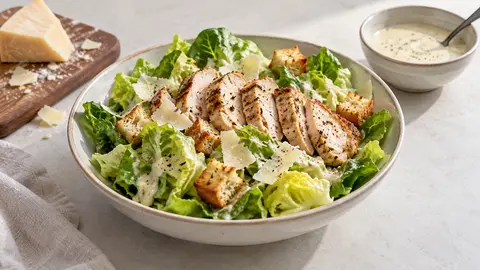
Homemade Caesar: how dressing and croutons change the calories
Count homemade Caesar from its ingredients before assembly.
A few dishes made from ordinary ingredients, repeatable without effort, needing neither special produce nor a separate trip to the shop.
Count homemade Caesar from its ingredients before assembly.

A serving of roasted pumpkin in this collection contains about 81 calories; a serving of pumpkin oatmeal contains 229.

A lunchbox is tested not at home, but during the break: the child has ten to fifteen minutes, there is no refrigerator, no knife or fork, and the backpack has already fallen twice.
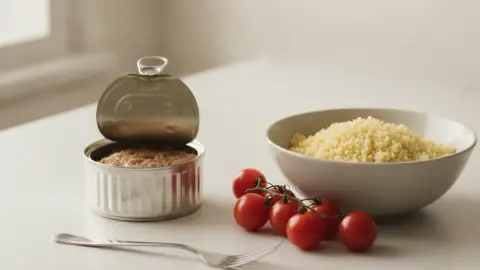
Dormitories, rented rooms, hotels, offices, or kitchen renovations—there are many situations where you don't have a stove but still need to eat.
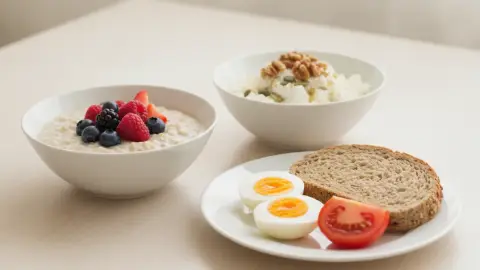
The usual breakfast has one problem, and it's not the calories: porridge made with water, toast with jam, and coffee contain almost no protein.

Sautéing involves 2–3 tablespoons of oil that go entirely into the pot: about 250–350 kcal for the whole pot, which is 50–90 kcal per serving.
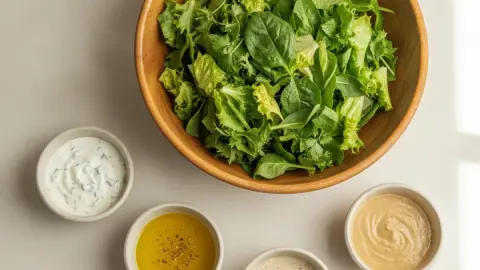
In a salad, calories are almost always found not in the vegetables, but in the dressing: two tablespoons of mayonnaise contain about as many calories as everything else on the plate combined.
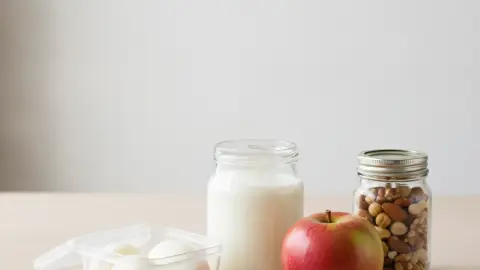
People buy a bar not because it's delicious, but because it's at the checkout and there's nothing in their bag.
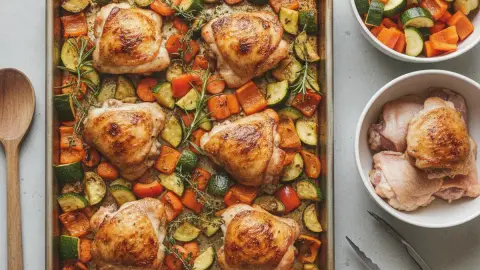
Roasted chicken is the most practical meal prep there is: forty minutes of oven time covers your protein needs for lunch for three to four days.
From reading to doing. All of it starts in one place — knowing what is on the plate. Photograph it and the calories and macros appear on their own.
Other sections: Nutrition · Weight loss · Calorie counting · Health · Technology · Ingredients and additives · Allergies · Shopping · Biohacking · All articles
This article is for general information. It is not medical advice, a diagnosis, or a prescription for treatment or a diet, and it does not replace a consultation with your doctor. If you have a health condition, are pregnant, take medication, or follow a diet prescribed to you, decisions about food belong with your doctor.
Figures from regulations, guidelines and studies are given as they stood when this article was prepared and may since have changed; check them against the primary sources. This article is not advertising, an offer, or individual advice, and neither the author nor the site owner is responsible for decisions taken on the basis of it.