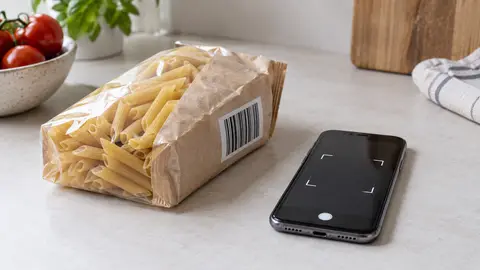
Barcode ingredient scanners: what they show and how to check a product
An ingredient scanner looks up a product by barcode and displays information found in its sources or read from the label.
How the things that count for you actually work: a dish recognized from a photo, the codes on a package, wristbands, scales and home tests. Where a device gives you a measurement and where it gives you a plausible guess.
An ingredient scanner looks up a product by barcode and displays information found in its sources or read from the label.
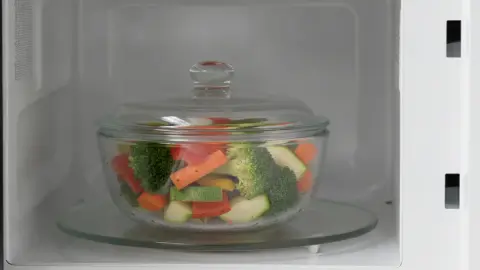
A microwave oven heats food in a single way — it makes water molecules in it oscillate.
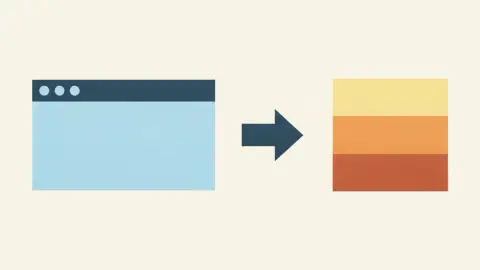
Your phone's home screen can feature an icon that isn't linked to an installed app.
You can count calories for free—it costs nothing to do it on paper or in a spreadsheet.
The answer varies depending on the part of the application.
A photo of a plate seems harmless, and usually it is.
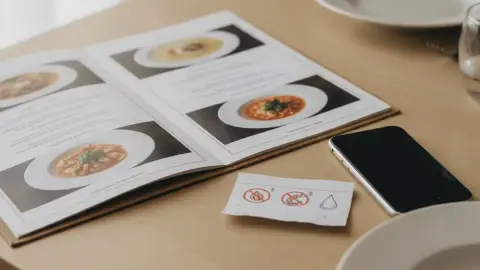
If you are unfamiliar with the language of a menu, it is more useful not to translate the dish immediately, but to first save it exactly as it is printed.
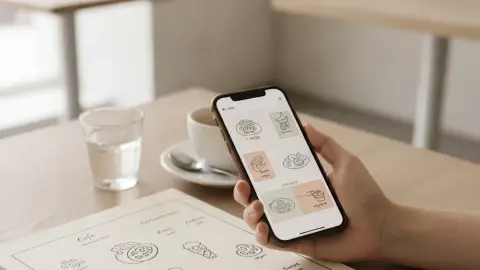
A photo of a menu page is transformed into a list of dishes with calorie and macronutrient counts.

In the dish card, below the photo, there are four numbers, and they look like a measurement.
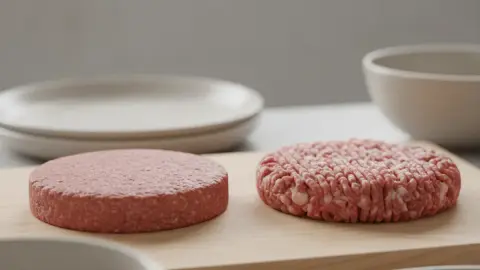
A pea-based patty and a beef patty look the same and sit side-by-side on the shelf, but they are different products in terms of composition.
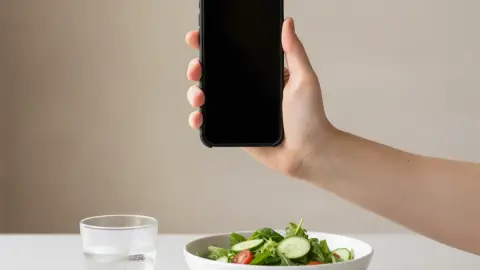
Asking a chatbot about your diet has become easier than making an appointment with a specialist, and the answer comes detailed, polite, and structured.
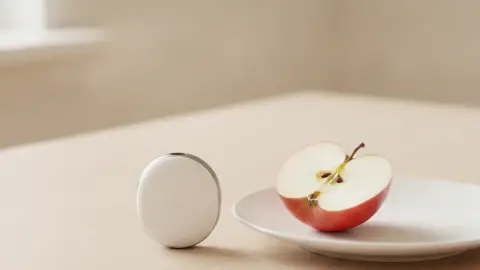
A device the size of a keychain is held up to an apple, and sugar, protein, and calorie content appear on the screen.
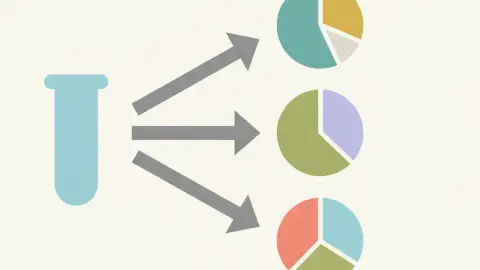
An at-home microbiome test looks like a standard lab analysis: a test tube, a laboratory, and a report with percentages and a list of foods.
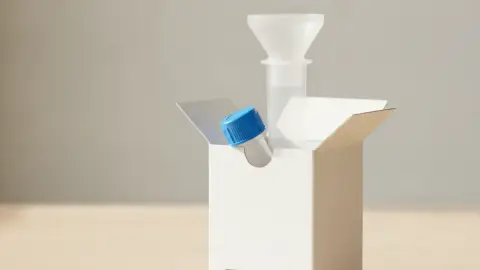
The promise sounds convincing: a saliva sample, two weeks of waiting, and a diet tailored to your heredity.
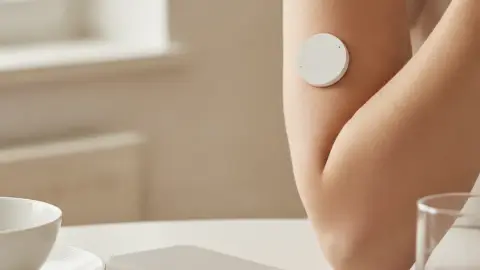
A coin-sized sensor on the shoulder and a blood sugar graph on a phone are no longer exclusive to diabetes: people without a diagnosis are using them to "understand their reaction to food.
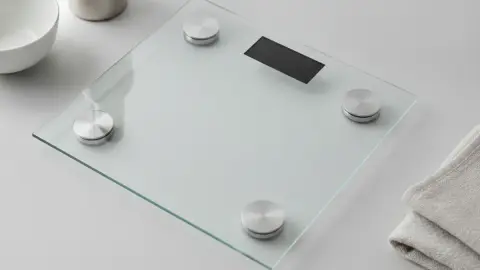
Smart scales display body fat percentage, water percentage, muscle mass, bone mass, and "metabolic age.
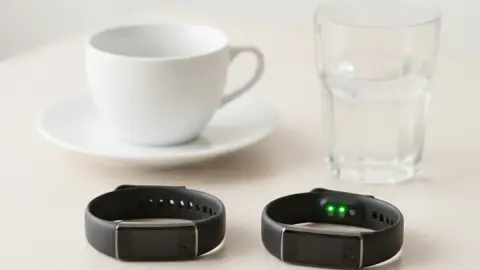
On a tracker screen, three numbers look equally reliable: heart rate, steps, and "calories burned.

A calorie counter looks like a calculator, and people expect calculator-like precision from it.
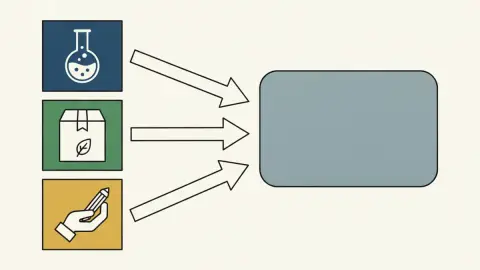
The same cottage cheese gets different calorie counts in two apps, and people usually assume one of them is wrong.
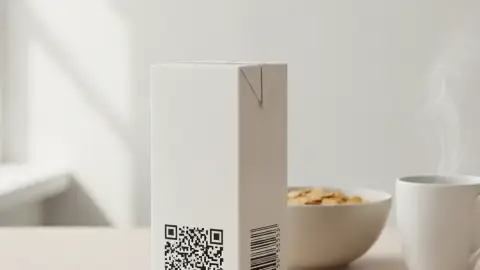
Next to the familiar stripes on packaging, there is increasingly a small square made of dots.
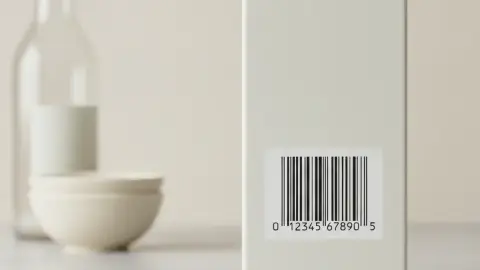
There is a persistent belief about barcodes: that you can supposedly tell the country where a product was made from the first digits, and verify its authenticity from the rest.
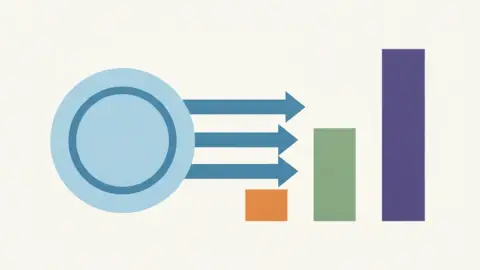
The unpleasant feature of machine responses is not that they can be incorrect—reference books and labels can be wrong too.
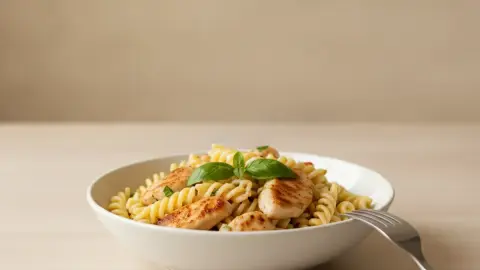
A photo of a plate turns into a number on the screen in a few seconds, and from the outside, it looks like a measurement.
From reading to doing. All of it starts in one place — knowing what is on the plate. Photograph it and the calories and macros appear on their own.
Other sections: Nutrition · Weight loss · Calorie counting · Health · Ingredients and additives · Allergies · Shopping · Biohacking · Recipes · All articles
This article is for general information. It is not medical advice, a diagnosis, or a prescription for treatment or a diet, and it does not replace a consultation with your doctor. If you have a health condition, are pregnant, take medication, or follow a diet prescribed to you, decisions about food belong with your doctor.
Figures from regulations, guidelines and studies are given as they stood when this article was prepared and may since have changed; check them against the primary sources. This article is not advertising, an offer, or individual advice, and neither the author nor the site owner is responsible for decisions taken on the basis of it.