Menus in a foreign language: how to understand what you are ordering
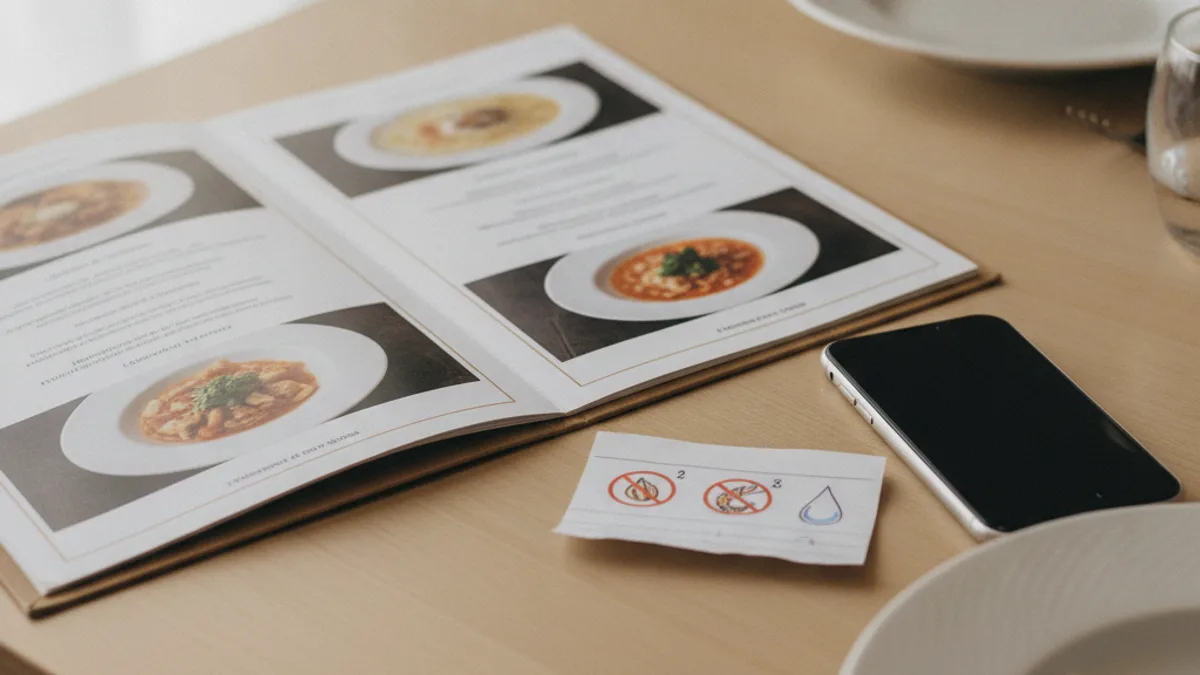
If you are unfamiliar with the language of a menu, it is more useful not to translate the dish immediately, but to first save it exactly as it is printed. For ordering and finding information, it is more important to match the string in the menu than to get a nice translation that you cannot cross-reference later.
Why literal translation often gets in the way
A menu has one practical purpose: to let you order a specific item. As soon as a name is turned into a loose translation, that connection is broken. A "Caesar" translated as "chicken and cheese salad" no longer matches what is written on the menu or what the waiter sees on their screen.
Therefore, it is more useful to keep two versions at once: the original text and a brief understanding of its meaning. This is also critical for technology: the model reads the menu line by line and works with the text that is actually printed. Why names are kept as is is explained in our article on menu reading.
What to do in practice
- Capture the entire page. This ensures you don't lose surrounding lines, section headers, or the context itself.
- Keep names exactly as printed. Do not shorten them or replace them with your own words.
- Look not only at the name but also at the description below it. That is where words like sauce, cream, nuts, cheese, and fried are most often hidden.
- If you are asking the waiter, point to the line with your finger. This eliminates half of the confusion.
The most common mistake while on vacation is not linguistic, but organizational: a person remembers the dish roughly, and then can no longer tell which line the waiter's or translator's answer refers to.
Which words are more important than a full translation
To make a decision about an order, it is usually not the literary nuances of the name that matter, but recurring markers of ingredients and preparation methods. If you have identified that the description contains cream, butter, fried, cheese, nuts, sesame, or soy, that is more useful than a beautiful translation of the entire name.
The same principle works for calorie content. You don't need a perfect translation of the name to understand that one dish is fried and served with a creamy sauce, while another is baked and served without it. How to find out calorie content if there are no numbers on the menu is covered in a separate article.
The price of error is highest with allergens
Here, an "approximate" translation is not enough. In the European Union, for unpackaged food, including in restaurants and cafes, information about allergens must be provided; the list of mandatory allergens is built around 14 categories. However, the way it is presented may vary: a separate table, notes on the menu, or written information upon request.
The practical conclusion is simple: if you have an allergy, you should not ask "what kind of dish is this," but rather "show me the allergen information for this line." This way, you are discussing a specific item rather than an abstract translation.
If your reactions have been severe, it is better to show a short note in the local language with the name of the allergen and the word "allergy" than to try to explain it verbally in a noisy room. The general conversation strategy with an establishment is covered in our article on restaurant allergens.
Why a vegan or gluten free label is not enough
Such labels are useful, but they do not replace a conversation about allergens. Even large chains provide separate warnings about shared equipment and cross-contact. A label helps narrow down your search, but it does not guarantee safety on its own.
If the issue is specifically about allergens, you need to look at the allergen chart, not the marketing label. Which allergens are usually mandatory to disclose and how they are listed is covered in a separate article.
When it is better not to guess
There are situations where technology and common sense should lead to declining an order: the dish description is vague, the waiter is unsure, allergen information is not provided, or the translation does not match what is written on the menu. In this case, it is better to choose a dish with simple ingredients or pick another place.
This is not about being cautious "just in case." This is about the price of an error: a mixed-up side dish is unpleasant, but a mixed-up allergen can be dangerous.
In short
- For ordering and verification, it is more useful to keep the dish name as printed rather than replacing it with a loose translation.
- You should look at markers of ingredients and preparation methods in the description, not just at the fancy name of the dish.
- If you have an allergy, you must discuss the specific menu line and the allergen information for it.
- Vegan or gluten free labels help, but they do not replace an allergen chart or a question about cross-contact.
Frequently asked questions
- Why shouldn't you immediately translate a dish name into your own language?
- Because the translation often stops matching the original menu line. This makes it harder to order that specific item, ask the waiter questions, and match the answer with the menu. It is more useful to keep the original name and understand the meaning separately.
- What is more important in a foreign menu: the name or the description?
- Description. This is where words about sauces, cream, nuts, cheese, frying, and other details that affect composition, caloric content, and allergen risk most often appear.
- Can I rely on a vegan or gluten free label?
- Not as a sole source. Such labels help narrow down your choices, but they do not replace allergen information for a specific item or questions about cross-contact in the kitchen.
- What is the safest way to ask about an allergen in a foreign language?
- Show a specific menu item and ask for allergen information for that dish. If your reactions have been severe, it is better to have a short note in the local language with the name of the allergen and the word "allergy".
Read next
- AI: how a model reads a menu page and evaluates each item — A photo of a menu page is transformed into a list of dishes with calorie and macronutrient counts.
- Allergens in restaurants and delivery: how to ask for a helpful response — Packaging includes mandatory ingredient lists and warnings about traces.
- Allergens that must be on the label — Manufacturers are required to disclose certain allergens at all times—even when their proportion is negligible and even when they entered the product as part of another ingredient.
This article is for general information. It is not medical advice, a diagnosis, or a prescription for treatment or a diet, and it does not replace a consultation with your doctor. If you have a health condition, are pregnant, take medication, or follow a diet prescribed to you, decisions about food belong with your doctor.
Figures from regulations, guidelines and studies are given as they stood when this article was prepared and may since have changed; check them against the primary sources. This article is not advertising, an offer, or individual advice, and neither the author nor the site owner is responsible for decisions taken on the basis of it.