
Health
Why you want to eat more in winter: what studies have found
The seasonal difference in eating is real, but smaller than it feels.
Why evenings are hungrier, where cravings come from, and what works instead of willpower.
The seasonal difference in eating is real, but smaller than it feels.
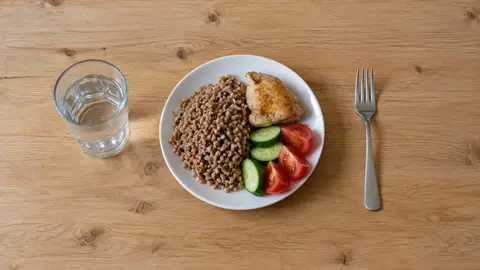
People eat more when they are served a bigger portion, when they eat fast, after a short night and alongside alcohol.
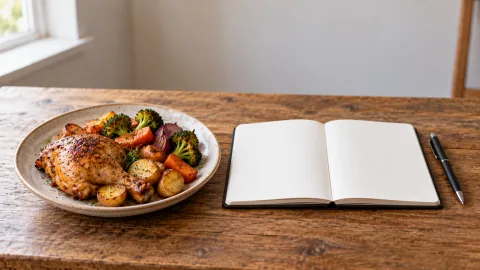
A diet slip-up refers to an episode where significantly more food is eaten than planned or foods outside the plan are consumed.
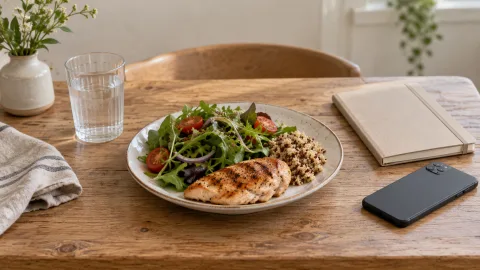
The choice between them should be based not on effectiveness but on your goal: intuitive eating changes your relationship with food, while calorie counting measures energy.
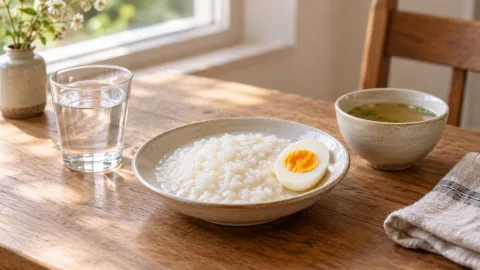
Practical advice from clinical guidelines for managing nausea on these medications centers on three things: eat small portions, eat slowly, and avoid fatty and spicy foods.
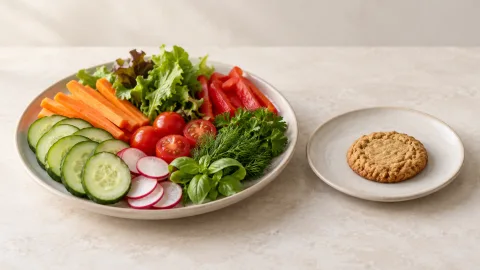
Salad fills you up more than cookies because it contains fewer calories per gram: 100 kcal equals about 670 g of cucumber or about 20 g of cookies.
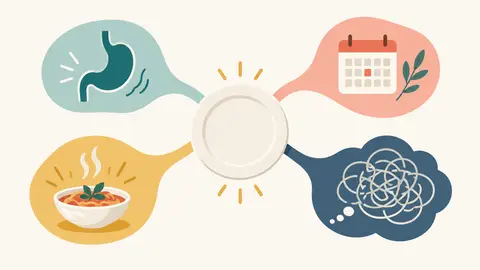
“Food noise” describes more than an interest in food: it is a persistent, burdensome inner conversation about it.

You manage to eat moderately during the day, but after eight o'clock, it starts.

These are two different mechanisms, and they are constantly confused.

Food really does reduce tension—this is not a character flaw, but a functional mechanism, which is why it becomes a habit.
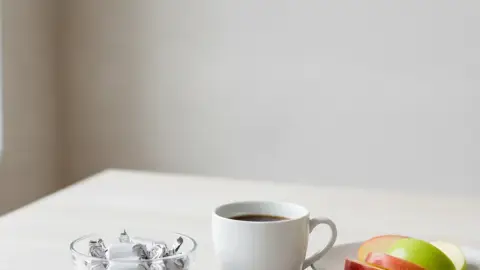
Cravings for sweets rarely have a single cause, which is why the universal advice to "just don't eat them" doesn't work.
From reading to doing. All of it starts in one place — knowing what is on the plate. Photograph it and the calories and macros appear on their own.
Other topics: Protein · Fats · Carbohydrates · Sugar · Sweeteners · Fibre · Water and salt · Coffee and tea · Drinks and alcohol · Supplements and vitamins · Sports nutrition · Training · Sleep and routine · Fasting · Gut and microbiome · Diabetes and blood sugar · Hormones · Age · Children · Pregnancy and breastfeeding · Eating out · Travelling · Gatherings · Portion size · Food labels · Storage and shelf life · Meat and sausage · Fish and seafood · Dairy · Bread and grains · Sweets and snacks · Plant-based · Food diary · What the research shows · All articles
This article is for general information. It is not medical advice, a diagnosis, or a prescription for treatment or a diet, and it does not replace a consultation with your doctor. If you have a health condition, are pregnant, take medication, or follow a diet prescribed to you, decisions about food belong with your doctor.
Figures from regulations, guidelines and studies are given as they stood when this article was prepared and may since have changed; check them against the primary sources. This article is not advertising, an offer, or individual advice, and neither the author nor the site owner is responsible for decisions taken on the basis of it.