Sugar cravings: where they come from and what to do about them
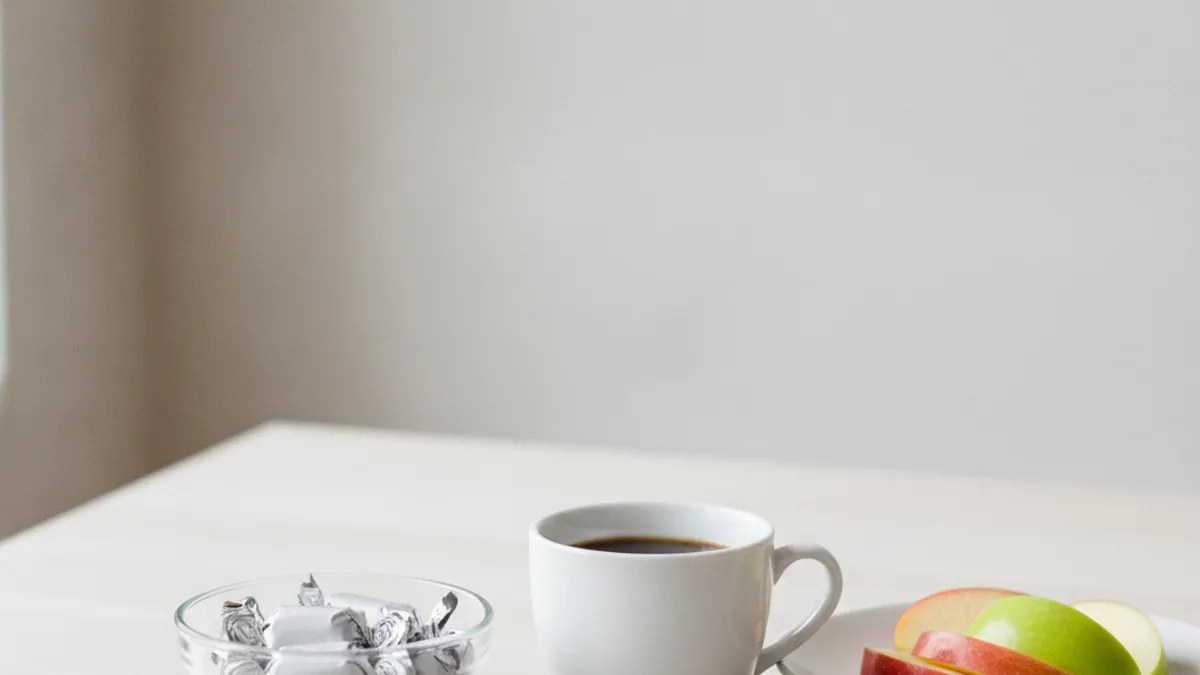
Cravings for sweets rarely have a single cause, which is why the universal advice to "just don't eat them" doesn't work. Below are five mechanisms, each with its own solution: what helps with sleep deprivation is useless for a habit, and what works against a habit won't cover a daytime food deficit.
Reason one: not enough food during the day
This is the most common and most underestimated cause. A light breakfast, a skipped lunch, and by evening the body is making up for energy in the fastest way possible.
Sign: the craving comes in the evening, after a day of under-eating, and is satisfied by any hearty meal, not just sweets.
What helps: a proper lunch. Analysis is in the articles about breakfast and weekly meal plans.
Reason two: not enough protein and fiber
A meal consisting only of simple carbohydrates does not keep you full for long: hunger returns in an hour or two, and it is selective.
Sign: the craving comes shortly after eating, even though the calorie intake was sufficient.
What helps: protein in every meal and vegetables alongside carbohydrates. Guidelines are in the articles about daily protein intake and fiber.
Reason three: sleep deprivation
Lack of sleep disrupts appetite regulation and increases the preference for high-calorie food. This is a well-documented effect, and it explains why you don't crave vegetables after a bad night's sleep.
Sign: cravings intensify on days following short sleep.
What helps: sleep, not willpower. The mechanism is in the article about sleep and weight.
Reason four: emotions
Food reduces tension, and the mechanism becomes reinforced. Sign: the craving comes suddenly, is tied to situations rather than time, and is not satisfied by regular food.
What helps: working on the chain itself, broken down in the article about emotional eating.
Reason five: habit and environment
Coffee with a cookie at three o'clock, a candy after lunch, sweets before watching a show. There is neither hunger nor emotion here—there is a reinforced "situation → action" link.
Sign: the craving comes at the same time and in the same place.
What helps: change the scene, not your willpower. Keep sweets out of sight, replace the link with another action, shift your break time. More on the mechanics in the article about food habits.
About "sugar addiction"
The term sounds convincing, but it is cautiously compared to addiction in the clinical sense: humans do not exhibit signs comparable to substance addiction, such as increased tolerance and physical withdrawal. What is described is a strong craving, habituation, and the role of the reward system, and that is enough to explain the behavior without the term.
The practical difference is in the conclusion. "Addiction" implies total abstinence, while "strong habit" implies gradual change, and the latter works better in the long run.
What works and what hinders
| Method | Assessment |
|---|---|
| Total ban on sweets | Usually increases cravings and ends in a breakdown |
| Hearty lunch with protein | Covers the most common cause |
| Sweets after a meal, not instead | Smaller volume, fewer episodes |
| Keep out of sight | Works better than resistance |
| Replace with a sugar substitute | Cuts calories, but not the habit — analysis in the article about sugar substitutes |
| Fruit instead of candy | Works for some people, but not for others |
Where to start
- Two weeks of observation. Record not what you ate, but when you felt the craving and what happened before it.
- Find the primary cause. Usually there are two, and one is more significant.
- Address food and sleep first. This is the foundation: without it, the rest won't work.
- Then change the environment. Keep it out of sight, change the link, delay it, don't forbid it.
For more on the amount of sugar that comes unnoticed from processed foods, see the article about hidden sugar.
Frequently asked questions
- Why do I constantly crave sweets?
- There are usually several reasons: not eating enough during the day, low protein and fiber intake in meals, lack of sleep, emotional stress, and established habits. The solution depends on which of these prevails.
- Does sugar addiction exist?
- The term is used cautiously in a clinical sense: increased tolerance and physical withdrawal have not been described in humans. Strong cravings and the role of the reward system have been described, and that is enough to explain the behavior.
- Does quitting sugar completely help?
- Usually no: restriction increases cravings, making an episode more likely. It is more practical to eat sweets after a meal rather than instead of one, and to keep them out of sight rather than resisting them through willpower.
- Why does poor sleep lead to cravings for high-calorie foods?
- Lack of sleep shifts appetite regulation and increases the preference for high-calorie food. On such days, sleep helps more than additional restrictions.
- Can a piece of fruit replace a candy?
- For some people, yes; for others, no: fruit satisfies the need for a sweet taste, but it does not satisfy the habit and ritual. If the craving is situational, it is more effective to change the scene rather than the product.
Read next
- Stress eating: why it works and what to do instead — Food really does reduce tension—this is not a character flaw, but a functional mechanism, which is why it becomes a habit.
- Hidden sugar: under what names it appears in ingredients — The word "sugar" appears in ingredients less often than sugar itself does in a product: it has a dozen legal names, and the manufacturer has every right to use any of them.
- Eating habits: what works and what doesn't — Almost all nutrition plans fail not because of a lack of knowledge, but because of execution.
This article is for general information. It is not medical advice, a diagnosis, or a prescription for treatment or a diet, and it does not replace a consultation with your doctor. If you have a health condition, are pregnant, take medication, or follow a diet prescribed to you, decisions about food belong with your doctor.
Figures from regulations, guidelines and studies are given as they stood when this article was prepared and may since have changed; check them against the primary sources. This article is not advertising, an offer, or individual advice, and neither the author nor the site owner is responsible for decisions taken on the basis of it.