Nutrition
Vitamin B12: where it is in food and who should check their level
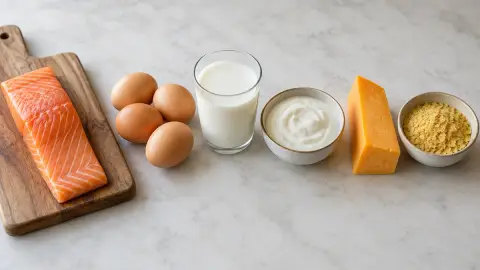
Vitamin B12 occurs naturally only in foods of animal origin; plant foods have it only when fortified.
What to count first on a plant-based diet, and where it falls short.
Vitamin B12 occurs naturally only in foods of animal origin; plant foods have it only when fortified.
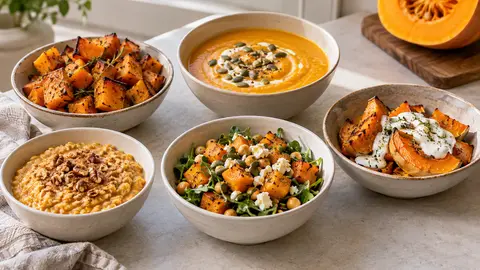
A serving of roasted pumpkin in this collection contains about 81 calories; a serving of pumpkin oatmeal contains 229.
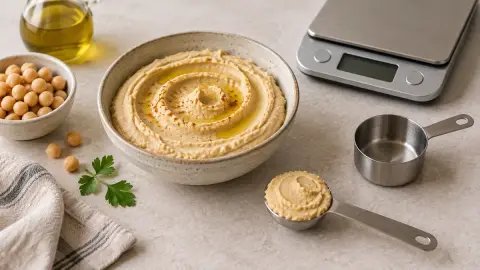
A tablespoon of plain hummus weighs 15 g in the USDA reference entry.
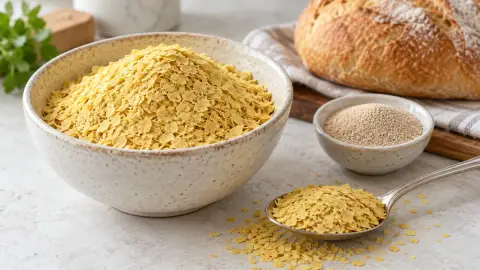
Nutritional yeast is dried, inactive yeast: it adds a savoury flavour but cannot raise dough.
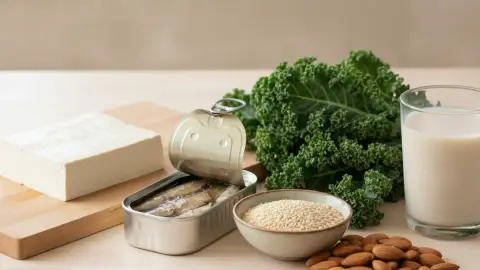
Adults are advised 1000 mg of calcium a day in Russia and 950 mg by EFSA.
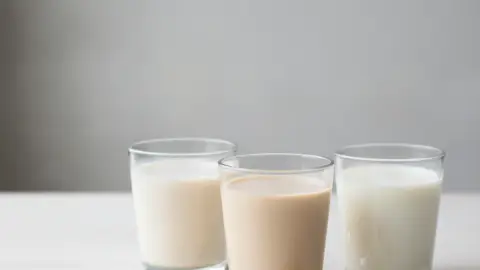
Plant-based beverages replace cow's milk in taste and in coffee, but not in composition.
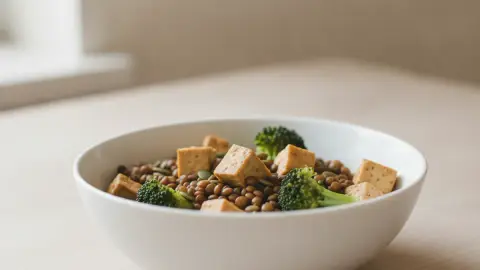
Calories in a plant-based diet are calculated exactly the same way as in any other.
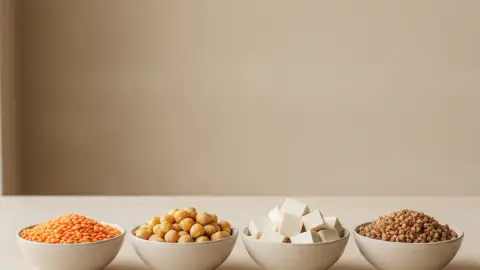
The difference between plant and animal protein is not that one is "complete" and the other is "incomplete"—it comes down to two specific factors: amino acid profile and digestibility.
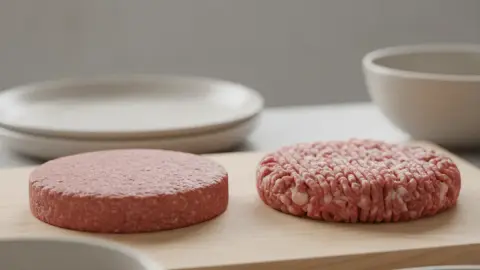
A pea-based patty and a beef patty look the same and sit side-by-side on the shelf, but they are different products in terms of composition.
From reading to doing. All of it starts in one place — knowing what is on the plate. Photograph it and the calories and macros appear on their own.
Other topics: Protein · Fats · Carbohydrates · Sugar · Sweeteners · Fibre · Water and salt · Coffee and tea · Drinks and alcohol · Supplements and vitamins · Sports nutrition · Training · Sleep and routine · Appetite and stress · Fasting · Gut and microbiome · Diabetes and blood sugar · Hormones · Age · Children · Pregnancy and breastfeeding · Eating out · Travelling · Gatherings · Portion size · Food labels · Storage and shelf life · Meat and sausage · Fish and seafood · Dairy · Bread and grains · Sweets and snacks · Food diary · What the research shows · All articles
This article is for general information. It is not medical advice, a diagnosis, or a prescription for treatment or a diet, and it does not replace a consultation with your doctor. If you have a health condition, are pregnant, take medication, or follow a diet prescribed to you, decisions about food belong with your doctor.
Figures from regulations, guidelines and studies are given as they stood when this article was prepared and may since have changed; check them against the primary sources. This article is not advertising, an offer, or individual advice, and neither the author nor the site owner is responsible for decisions taken on the basis of it.