Weight loss
The Kovalkov diet: stages, a day's menu and how many calories it has
The method of Russian dietitian Alexei Kovalkov has three stages: preparation, weight loss and consolidation.
What fibre does in the gut, how much you need, and where to get it without supplements.
The method of Russian dietitian Alexei Kovalkov has three stages: preparation, weight loss and consolidation.
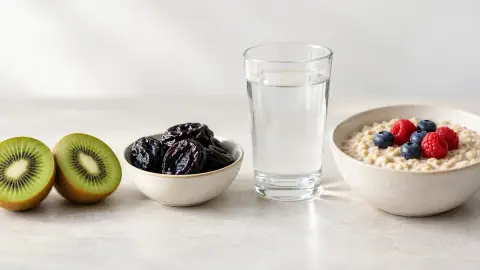
Constipation on a diet is common, and the causes are usually clear: you are eating less and differently, there is less fibre and fluid in your diet, or you have started a medicine for which constipation is a known side effect.
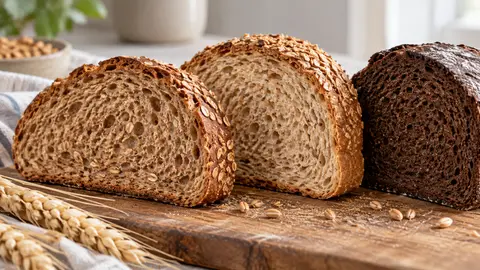
Look for wholegrain flour or whole grain in the ingredients and check its position.
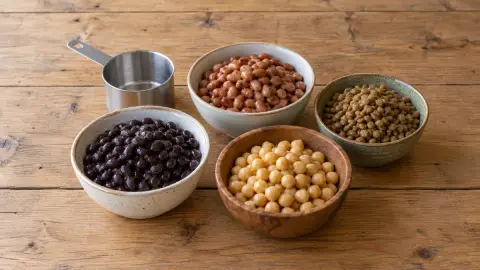
As of 5 October 2026, “BeanTok” is still running on TikTok and Instagram: creators eat two cups of beans a day and link it to gut health, weight loss and fewer sugar cravings.
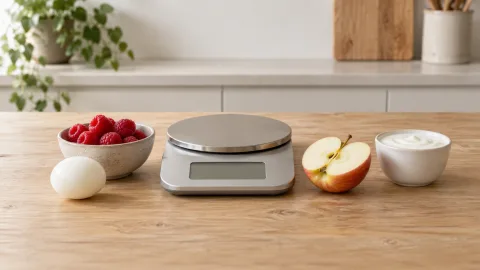
100 kcal fits 667 g of cucumber or 17 g of peanut butter: calorie-wise they’re equal, but not in satiety.
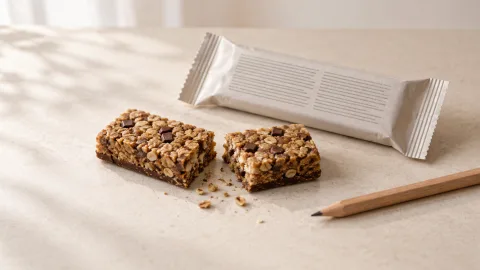
Net carbs are total carbohydrates listed on the label minus fiber and, for some manufacturers, sugar alcohols.
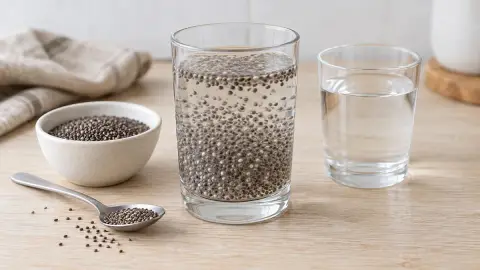
Chia seeds develop a clear gel in water, but they do not turn the drink into a calorie-free “super hydrator.
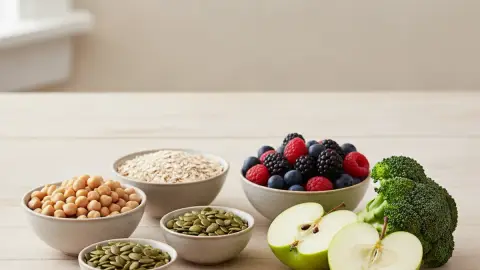
You do not need bran or a specialty bar to get more fiber.
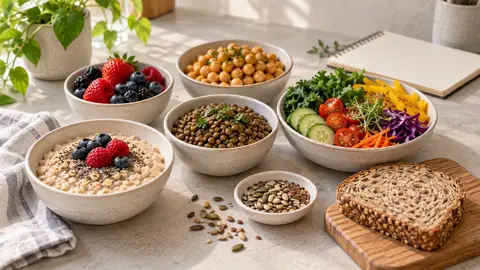
Fibermaxxing is the 2026 search term for the idea of adding as much fiber to your diet as possible.

Consumer glucose sensors turned the post-meal curve into a spectator sport, and a market of tricks grew up around flattening it.
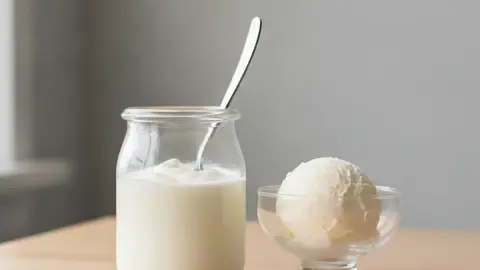
Xanthan gum, guar gum, carrageenan, pectin, modified starch — this is a set of words that looks alarming on an ingredient label but means something quite boring: the product needs to have the right consistency and not separate before its expiration date.
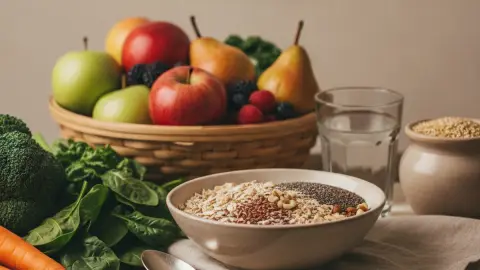
We know that we "need more" fiber, but that is usually where the conversation ends: it is unclear what it physically does, why it causes bloating, and where the 25–30 grams per day recommendation comes from.
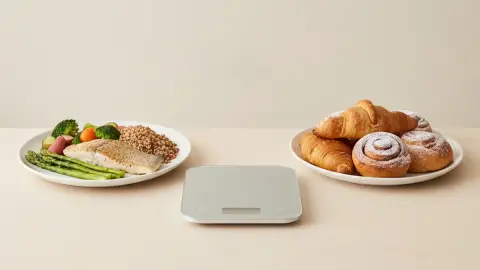
Caloric intake answers one question: how much of you there will be.
From reading to doing. All of it starts in one place — knowing what is on the plate. Photograph it and the calories and macros appear on their own.
Other topics: Protein · Fats · Carbohydrates · Sugar · Sweeteners · Water and salt · Coffee and tea · Drinks and alcohol · Supplements and vitamins · Sports nutrition · Training · Sleep and routine · Appetite and stress · Fasting · Gut and microbiome · Diabetes and blood sugar · Hormones · Age · Children · Pregnancy and breastfeeding · Eating out · Travelling · Gatherings · Portion size · Food labels · Storage and shelf life · Meat and sausage · Fish and seafood · Dairy · Bread and grains · Sweets and snacks · Plant-based · Food diary · What the research shows · All articles
This article is for general information. It is not medical advice, a diagnosis, or a prescription for treatment or a diet, and it does not replace a consultation with your doctor. If you have a health condition, are pregnant, take medication, or follow a diet prescribed to you, decisions about food belong with your doctor.
Figures from regulations, guidelines and studies are given as they stood when this article was prepared and may since have changed; check them against the primary sources. This article is not advertising, an offer, or individual advice, and neither the author nor the site owner is responsible for decisions taken on the basis of it.