What ends up in a sports nutrition tub besides the powder
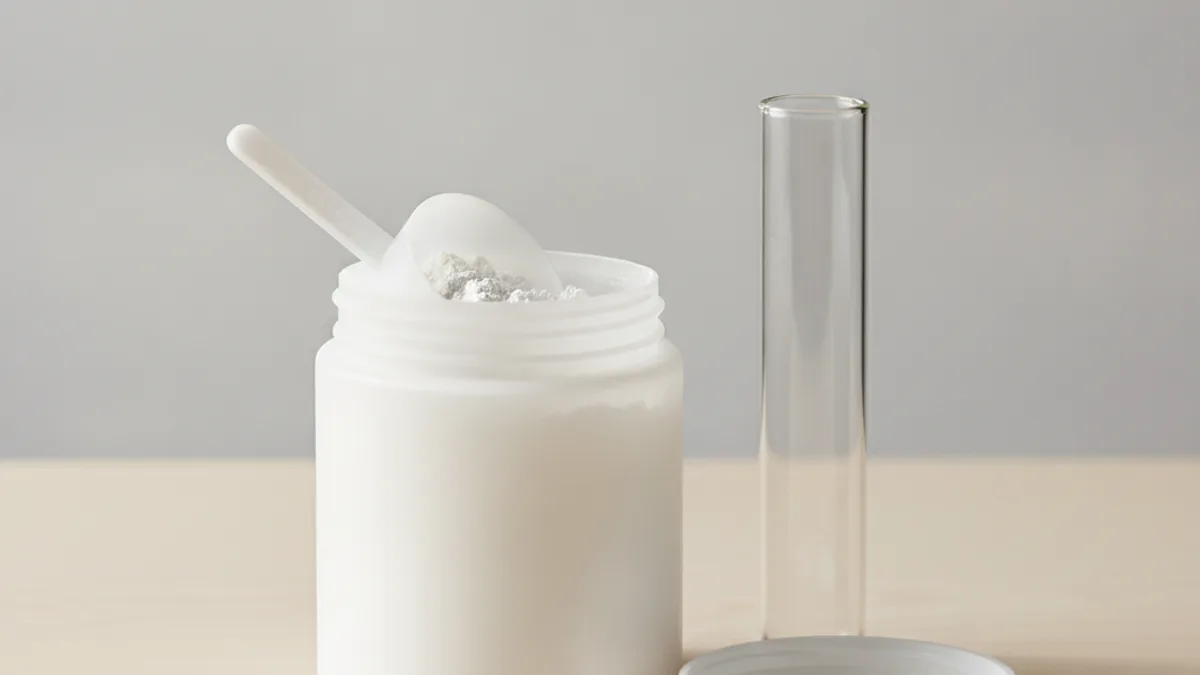
In Russia, sports nutrition is sold as dietary supplements, and this defines everything else: they are not tested for efficacy, and the composition on the label is a manufacturer's claim, not the result of an analysis. We measured how much the claim differs from the actual contents.
What was found in the jars during testing
The most telling study is an analysis of 66 supplements from 21 brands purchased from 17 online stores. The researchers intentionally selected high-risk categories: products promising effects on hormones, muscle mass gain, fat burning, and "energy." The samples were tested by an accredited laboratory.
Undeclared doping substances were found in 25 out of 66 products, which is 38% of the sample. For an athlete, this means disqualification for something they did not purchase; for an average person, it means consuming a substance they are unaware of.
A caveat without which the figure is misleading: the sample was targeted at high risk, so the 38% cannot be applied to the entire shelf. However, 25 findings out of 66 cannot be dismissed as a coincidence either.
A separate list is maintained by a US agency: the FDA page on products with hidden ingredients describes the categories where medicinal substances are found most often—weight loss, "sports," and "energy" products.
Why this is possible
In the EAEU, sports nutrition falls into the category of specialized food products and dietary supplements. Requirements for it are set by TR TS 021/2011: such products are subject to state registration, and a certificate of state registration is issued for them.
What registration means in practice: the product has been assessed for compliance with safety requirements and cleared for circulation. What it does not mean: that the effect written on the jar has been verified in trials, and that every batch has been analyzed by a laboratory.
The difference between dietary supplements, vitamins, and medicines is covered in a separate article — how dietary supplements differ from medicines.
Where the risk is higher and where it is lower
| Category | What is wrong with it |
|---|---|
| "Hormonal" boosters, testosterone boosters | the category with the most findings |
| Fat burners and "energy" products | frequent finding — undeclared stimulants |
| Multi-component pre-workouts | the total amount of the mixture is known, the dose of each substance is not |
| Single-component powders (creatine, whey protein) | the easiest category to verify: one substance, clear composition |
The pattern is simple: the bolder the promise on the jar and the longer the ingredient list, the less verifiable content it contains. What is known about the substances themselves is analyzed in the materials on sports supplements, pre-workout complexes, and fat burners.
What to check before buying
- Certificate of state registration. The manufacturer is required to provide its number; products without registration should not be in circulation.
- Composition with doses per serving. If only the total amount of a "proprietary blend" is listed, the dose cannot be verified — and without the dose, discussing the effect is meaningless.
- Matching serving size and measuring scoop. Often the composition is calculated for two scoops, while the promise is for one.
- Absence of therapeutic claims. Such wording is prohibited for dietary supplements, and its presence in itself speaks to the manufacturer's attitude toward the rules.
- Simplicity. One component with a known dose is verifiable; a mixture of fourteen is not.
The barcode and labeling provide another layer of information about the origin of the package — this is covered in the materials on barcodes and "Chestny Znak".
Who this is especially important for
Athletes under doping control — because the responsibility for what is found in a sample lies with the athlete, regardless of where the substance came from.
People taking medications — because an undeclared stimulant or hormonally active substance can interact with prescribed therapy. In cases of chronic illness, pregnancy, and breastfeeding, supplements should be discussed with a doctor: this is a situation where the composition on the jar does not provide enough information to make a decision.
Frequently asked questions
- Are undeclared substances often found in sports nutrition?
- In an analysis of 66 supplements from high-risk categories (promises regarding hormones, mass, fat burning, and energy), undeclared doping substances were found in 25 products — 38% of the sample. The sample was specifically targeted at high risk, so this share cannot be applied to the entire shelf.
- Does anyone check sports nutrition in Russia?
- Such products are subject to state registration under TR TS 021/2011, and a certificate is issued for them. Registration confirms compliance with safety requirements, but it does not verify the claimed effect and does not imply an analysis of every batch.
- Which supplements are safer to buy?
- Single-ingredient products with a clear dosage—for example, creatine monohydrate or whey protein. Multi-ingredient blends with a "proprietary blend" are impossible to verify: the total mass is listed, but the doses of individual substances are not.
- What does "proprietary blend" mean in the ingredients?
- It means that the total mass of the blend is listed, rather than the amount of each substance. In such cases, it is impossible to compare the dose with those studied in research.
- Are such findings dangerous for an average person, rather than an athlete?
- Undeclared stimulants and hormonally active substances can interact with medications and are contraindicated for a number of conditions. This is precisely why the use of supplements during chronic illnesses, pregnancy, and breastfeeding should be discussed with a doctor.
Read next
- Sports supplements: creatine, glutamine, lecithin — The sports nutrition shelf is arranged so that expensive and useless products stand next to cheap and effective ones.
- How dietary supplements differ from vitamins and medications — In a pharmacy, two packages of vitamin D sit on the same shelf.
- Pre-workout supplements: what works in the jar — A pre-workout supplement is a blend of five to fifteen substances, only one of which is reliably effective.
This article is for general information. It is not medical advice, a diagnosis, or a prescription for treatment or a diet, and it does not replace a consultation with your doctor. If you have a health condition, are pregnant, take medication, or follow a diet prescribed to you, decisions about food belong with your doctor.
Figures from regulations, guidelines and studies are given as they stood when this article was prepared and may since have changed; check them against the primary sources. This article is not advertising, an offer, or individual advice, and neither the author nor the site owner is responsible for decisions taken on the basis of it.