Private label products: what they are and when to buy them
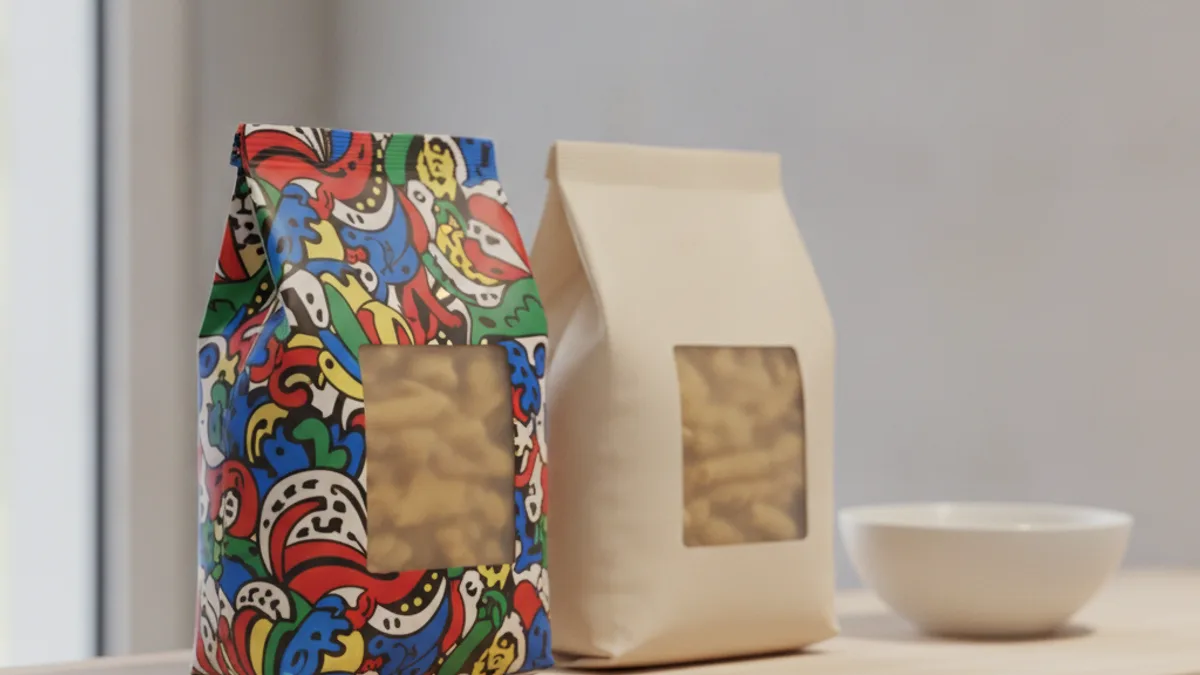
A store-brand product costs 20–40% less than a name-brand equivalent sitting right next to it on the shelf. The savings are real, and they don't just come from quality: a significant portion of a brand's price consists of costs that a private label simply doesn't have. Checking the ingredients helps determine where the price difference is justified and where it is not.
Who manufactures them
Most often, it is the same factories that produce name-brand goods. The retail chain orders a batch according to its own specifications, applies its own branding, and sells it under its own name.
You can verify this directly on the packaging: the manufacturer and their address must be indicated, and it is often a recognizable company. The requirement for this information is set by TR CU 022/2011 regulations.
However, "the same factory" does not mean "the same product": the recipe is ordered separately, and it may differ in the proportion of primary raw materials, the set of additives, and the grade of ingredients.
Where the savings come from
- No advertising. Brand promotion costs money, and it is included in the price.
- No shelf placement fees. The chain does not pay itself.
- Simpler packaging. Fewer layers, simpler printing.
- Large orders. One large batch is cheaper to produce.
- Sometimes, a cheaper recipe. This is the only factor that affects the product.
The first four points provide savings without compromising quality. The fifth is the only one worth checking, and it is visible in the ingredients list.
Where the difference is minimal
In categories with simple ingredients and strict production technology, there is almost no difference:
| Category | Why |
|---|---|
| Grains, flour, sugar, salt | Single-ingredient composition |
| Milk, kefir | Strictly defined technology |
| Frozen vegetables | Single ingredient, only caliber varies |
| Canned legumes | Three-ingredient composition |
| Vegetable oil | Standardized technology |
| Paper and household goods | Directly comparable |
Here, a private label is almost pure savings.
Where the difference can be noticeable
In categories with complex recipes where there is room to cut costs:
- Meat products. The proportion of meat, water, and plant-based protein—more on this in our article on sausage ingredients.
- Dairy with additives. The proportion of fruit, sugar content, and fat substitutes.
- Confectionery. Cocoa butter versus substitutes—see our article on chocolate.
- Cheeses and curd products. The product category may differ from what you are used to—see our article on butter and spreads.
- Coffee and tea. The grade and proportion of raw materials significantly affect the result.
Tiers within a private label
Large chains usually maintain several lines: a budget "entry-level" line, a standard line, and a premium line. These are different specifications, and you should compare a specific line rather than the entire store brand. The cheapest line is most often the one where the recipe has been simplified.
How to check in a minute
- Compare the ingredients of the private label and the brand sitting next to it. The difference is immediately visible.
- Check the proportion of primary raw materials. The percentage of meat, fruit, or cocoa products is indicated in the ingredients.
- Compare the price per kilogram, not per package—see our article on price per kilogram.
- Check the product category. "Cheese" and "cheese product" sit next to each other but are fundamentally different.
- Find the manufacturer. Sometimes it is the same factory as the brand across from it.
The general procedure for reading ingredients at the shelf is covered in our article on reading ingredients in ten seconds.
Frequently asked questions
- Who manufactures store-brand products?
- Most often, it is the same factories that produce name-brand goods: the chain orders a batch according to its own specifications and applies its own branding. The manufacturer and their address must be indicated on the packaging, and this can be verified.
- Why is a private label cheaper?
- No money is spent on advertising or shelf placement fees, the packaging is simpler, and the production batches are larger. All this provides savings without compromising quality. A separate source of savings is a cheaper formulation, which is visible in the ingredients list.
- In which categories is it safest to buy private label products?
- Those where the composition is simple and the technology is strictly defined: grains, flour, sugar, salt, milk and kefir, frozen vegetables, canned legumes, and vegetable oil.
- Where is the difference from a brand most noticeable?
- In meat products, dairy products with additives, confectionery, cheeses, and coffee—where a complex formulation leaves room for cost reduction by adjusting the proportion of the main raw materials.
- Are all products under a retail chain's brand equal in quality?
- No, large chains maintain several lines: a cheap "first price" line, a main line, and a premium line. These are different specifications, and you should compare a specific line rather than the chain's brand as a whole.
Read next
- What to look for in an ingredient list in ten seconds — Reading an entire ingredient list at the shelf is impossible: the print is small, and there is no time.
- Price per kilogram: the only comparable figure on a price tag — There are two numbers on a price tag.
- How the composition of sausage has changed and what to look for in it now — Sausage is the most convenient product for analyzing how recipes change: the changes are documented by percentages right on the packaging.
This article is for general information. It is not medical advice, a diagnosis, or a prescription for treatment or a diet, and it does not replace a consultation with your doctor. If you have a health condition, are pregnant, take medication, or follow a diet prescribed to you, decisions about food belong with your doctor.
Figures from regulations, guidelines and studies are given as they stood when this article was prepared and may since have changed; check them against the primary sources. This article is not advertising, an offer, or individual advice, and neither the author nor the site owner is responsible for decisions taken on the basis of it.