Expiration dates: "best before" and "use by" are not the same
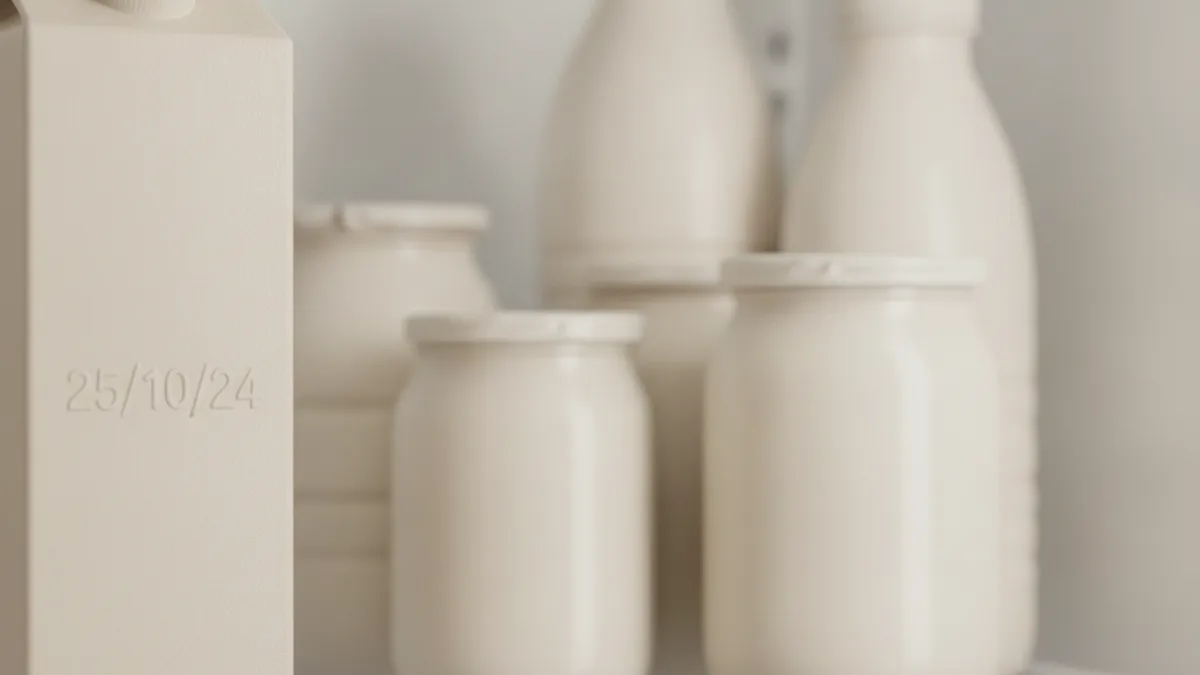
The date on packaging is perceived as a boundary between "safe" and "unsafe," although it means different things for different products. For some, it is a matter of safety, for others, it is a matter of quality, and the difference between these two cases determines what to do with a package that expired yesterday.
What the date means
Expiration date. The period during which a product is safe and meets its stated properties under specified storage conditions. After this date, the manufacturer is no longer responsible for the product, and it cannot be sold.
The key words are "under specified storage conditions." The expiration date is valid for a specific temperature and does not survive a violation of these conditions: milk left in a warm car for two hours spoils regardless of what is written on the carton.
An important consequence: an opened package has its own shelf life, usually significantly shorter, which is indicated nearby in small print — "after opening, store for no more than..."
What happens after the date
It depends on what exactly limits the shelf life.
| Product type | What limits the shelf life | What happens after |
|---|---|---|
| Raw meat, fish, prepared salads | Microorganism growth | Real risk of food poisoning |
| Dairy, eggs | Microorganisms | Risk exists, signs are usually noticeable |
| Vegetable oil, nuts | Fat oxidation | Rancidity: taste and smell, not infection |
| Grains, pasta, sugar, salt | Quality and pests | Usually nothing, if kept dry and airtight |
| Canned goods | Package integrity | Dangerous if bulging or damaged, not based on the date |
The distinction between the first two and the last three rows is the entire practical point of the topic. Expired salt is a formality; expired salad with mayonnaise is a health issue.
Signs that are more important than the date
- Bulging lid or can. A sign of gas formation inside — the product should be discarded regardless of the date.
- Changed smell. The most sensitive household tool.
- Slime, film, or discoloration on meat, fish, or sausage.
- Mold. On soft products, a visible colony means that the threads have grown deep inside — cutting it off is useless. For hard cheese, the approach is different, but that is a separate conversation with the rule-makers.
- Separation and curdling in dairy products without this being indicated in the recipe.
The reverse is also true: a product within its shelf life with any of these signs is a spoiled product. The date does not replace observation.
Botulism — the only case where the risk is special
The pathogen multiplies without access to air and produces a toxin that causes neither smell nor taste changes. This is precisely why homemade airtight preserves — mushrooms, vegetables, meat — cannot be checked organoleptically: there will be no signs.
There is one practical rule: bulging and suspicious jars of homemade preserves should not be tasted, but thrown away. Industrial canned goods undergo sterilization, and the risk there is of a different order — but a bulging can is discarded here as well.
How to store so the date means something
- Maintain the temperature. It is indicated on the package, and the entire shelf life is calculated for it.
- Consider the trip from the store. In summer, this is the weakest link in the chain; an insulated cooler bag solves the problem more cheaply than it seems.
- Check the shelf life after opening. It is shorter than the main one and is indicated separately.
- Do not transfer to another container unnecessarily. Some packaging itself contributes to preservation — more on this in the article about packaging and freshness.
- Put new items in the back. Household rotation solves more than half of all waste.
A note on store discounts for products with an expiring shelf life: they are legal and sensible if the product will be eaten today. An analysis of promotional mechanics can be found in the article about promotions and price tags.
Frequently asked questions
- Can you eat a product after its expiration date?
- It depends on what limits the shelf life. For raw meat, fish, and prepared salads, it is the growth of microorganisms and a real risk of food poisoning. For grains, sugar, and salt, it is a matter of quality, and usually nothing happens if stored in a dry, airtight environment.
- Why does the shelf life depend on storage conditions?
- Because it is calculated for the specific temperature indicated on the packaging. Violating these conditions invalidates the calculation: milk left in a warm car will spoil regardless of the date on the carton.
- What is more important — the date or the appearance?
- Swollen packaging, changed odor, slime, mold, and separation mean the product is spoiled regardless of the date. The reverse is not true: some hazards do not show any signs.
- Why should home-canned foods not be checked by taste and smell?
- The pathogen that causes botulism multiplies in the absence of air, and its toxin does not change the smell or taste. Therefore, swollen and suspicious jars of home-canned food should be discarded without tasting.
- How long does a product last after opening the package?
- Less than the original shelf life, and this is indicated in a separate line in small print: "after opening, store for no more than...". The original date no longer applies to an opened package.
Read next
- Packaging and freshness: what vacuum, modified atmosphere, and inflated bags do — Packaging does more than just hold a product—it is part of the shelf life.
- Promotions and yellow price tags: how they work and when they are worth it — A yellow price tag works not because the price is low, but because it is high-contrast: the eye finds it before it reads the number.
- Frozen foods: when they are just as good as fresh — Freezing is often seen as a compromise: fresh is better, and frozen is only for when there is no choice.
- Product pages in online stores: what is missing — In a physical store, you can turn the packaging over in your hands.
This article is for general information. It is not medical advice, a diagnosis, or a prescription for treatment or a diet, and it does not replace a consultation with your doctor. If you have a health condition, are pregnant, take medication, or follow a diet prescribed to you, decisions about food belong with your doctor.
Figures from regulations, guidelines and studies are given as they stood when this article was prepared and may since have changed; check them against the primary sources. This article is not advertising, an offer, or individual advice, and neither the author nor the site owner is responsible for decisions taken on the basis of it.