Iron and ferritin: what the test shows and why you feel tired
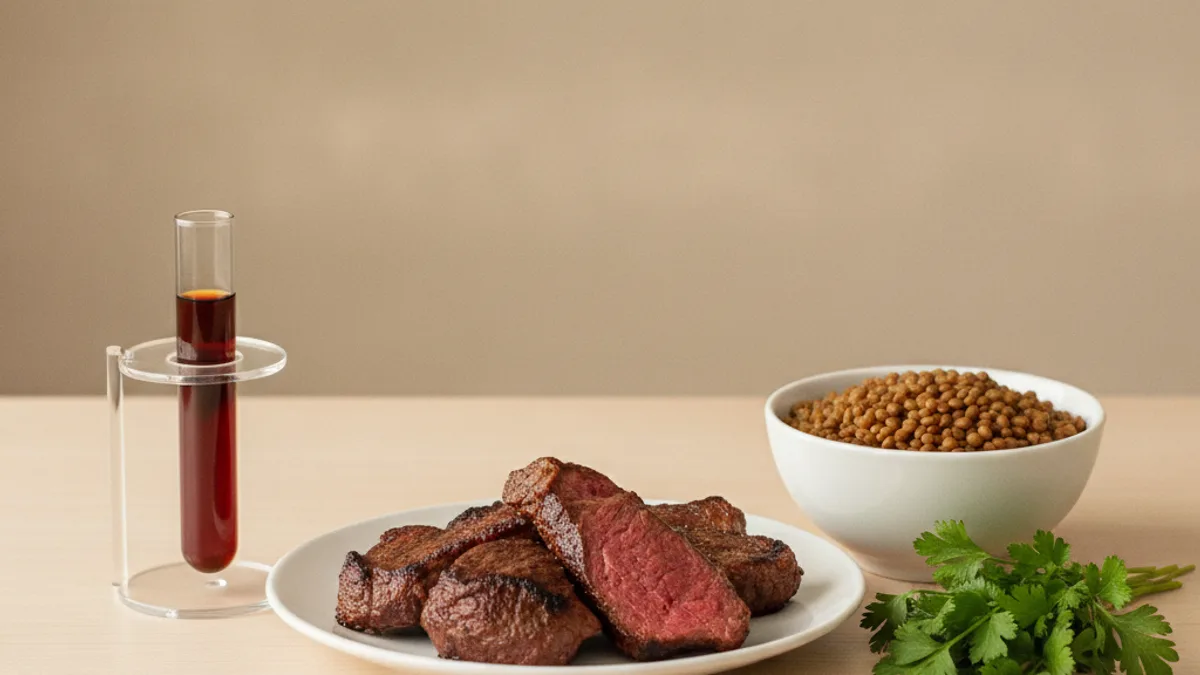
Ferritin is tested more often than any other iron metabolism marker and is most frequently misinterpreted. It indicates iron stores, but rises independently of them during inflammation—therefore, low ferritin indicates a deficiency, while a normal level does not always mean it is absent.
What ferritin levels indicate and where the threshold is
The WHO has released a specific guideline on the use of ferritin concentrations to assess iron status. The threshold for adults is 15 mcg/L: values below this indicate iron deficiency.
The main caveat in the same guideline: ferritin is an acute-phase protein. In cases of infection, inflammation, post-surgery, and a number of chronic diseases, it rises on its own, and a deficiency can be hidden behind a "normal" number. Therefore, ferritin is checked alongside inflammatory markers, not in isolation.
The practical conclusion from this is that the result of a single test is not a diagnosis. A diagnosis is made by a doctor who looks at symptoms, hemoglobin, ferritin, and inflammatory markers together.
How much iron is needed per day
The EFSA reference values summary sets different amounts for different groups:
| Group | Reference intake |
|---|---|
| Adult men | 11 mg/day |
| Premenopausal women | 16 mg/day |
| Postmenopausal women | 11 mg/day |
| Adolescent girls | 13 mg/day |
The difference between 11 and 16 mg accounts for menstrual losses. It explains why iron deficiency in women of childbearing age is more common: the requirement is higher, while the diet usually remains the same.
Heme and non-heme iron
Iron from meat, poultry, and fish (heme) is absorbed better than iron from plant sources. The absorption of non-heme iron depends on what is eaten alongside it:
- Helps: Vitamin C in the same meal — vegetables, greens, citrus fruits.
- Hinders: Polyphenols in tea and coffee if consumed with a meal; there is an article about tea regarding this.
- Hinders: Phytates in whole grains and legumes — partially mitigated by soaking and fermentation.
Hence the standard set of measures for a plant-based diet: iron sources in every meal, vitamin C nearby, tea and coffee between meals rather than during them. What else to plan in such a diet is analyzed in the article about plant protein.
Why "constant fatigue" is not a diagnosis
Fatigue is the most common reason to test ferritin and the most non-specific symptom in general. It can occur with iron deficiency, but it more often has other causes: lack of sleep, energy deficiency in the diet, thyroid disorders, depression, or apnea.
The reverse is also true: iron deficiency can occur without anemia and without pronounced fatigue. This is precisely why it is identified through testing rather than by how one feels, and it should be done under a doctor's guidance — along with identifying the cause of the losses.
For more on how sleep affects fatigue and why it is more important than any supplements, see the articles on sleep hygiene and sleep and weight.
What not to do on your own
- Prescribe iron supplements to yourself "just in case." Excess iron is toxic, and in some conditions, it accumulates; therefore, the dose and duration must be determined by a doctor.
- Test only ferritin and draw a conclusion. Without inflammatory markers, it can be misleading.
- Treat deficiency with food when anemia is confirmed. Diet is for prevention, while replenishing stores during anemia is therapy.
- Ignore the cause. Iron deficiency in an adult is a reason to look for the source of the losses, not just to replenish the stores.
Who should be checked more often
Heavy periods, pregnancy, blood donors, vegetarian and vegan diets, conditions after gastrointestinal surgery, and endurance sports are situations where requirements are higher or losses are greater. The frequency of monitoring in each of these cases is determined by a doctor.
Separately, regarding "test everything at once" panels: why this approach raises more questions than it answers is analyzed in the article about lab panels.
Frequently asked questions
- What ferritin level is considered low?
- The WHO, in its guideline on assessing iron status, indicates a threshold of 15 mcg/L for adults: values below this suggest iron deficiency. During inflammation, ferritin rises regardless of actual stores, so it is checked alongside inflammatory markers.
- How much iron is needed per day?
- According to EFSA reference values, it is 11 mg per day for adult men and postmenopausal women, and 16 mg for premenopausal women. The difference is explained by menstrual losses.
- How can I improve iron absorption from plant-based foods?
- Add a source of vitamin C to the same meal, space out tea and coffee consumption from meals, and soak legumes and grains. Heme iron from meat and fish is absorbed better regardless of these methods.
- Can I take iron supplements to prevent fatigue?
- No: excess iron is toxic, and fatigue is more often linked to other causes. Iron supplements should be prescribed by a doctor after blood tests and in conjunction with identifying the cause of the deficiency.
- Does a normal ferritin level rule out iron deficiency?
- Not always. Ferritin is an acute-phase protein and increases during infection and inflammation, so a deficiency can be masked by a formally normal value.
Read next
- Plant protein: how it compares to animal protein and how to bridge the gap — The difference between plant and animal protein is not that one is "complete" and the other is "incomplete"—it comes down to two specific factors: amino acid profile and digestibility.
- The "optimization" lab panel: what happens when you test for everything — The logic of "measure first, intervene later" seems flawless and is therefore rarely questioned.
- Tea: how much caffeine is in it and what is known about its benefits — Black, green, oolong, and white teas are all the same leaf from the same plant, differing only in the degree of oxidation.
This article is for general information. It is not medical advice, a diagnosis, or a prescription for treatment or a diet, and it does not replace a consultation with your doctor. If you have a health condition, are pregnant, take medication, or follow a diet prescribed to you, decisions about food belong with your doctor.
Figures from regulations, guidelines and studies are given as they stood when this article was prepared and may since have changed; check them against the primary sources. This article is not advertising, an offer, or individual advice, and neither the author nor the site owner is responsible for decisions taken on the basis of it.