Berberine: what research has shown and why it is called a "natural supplement"
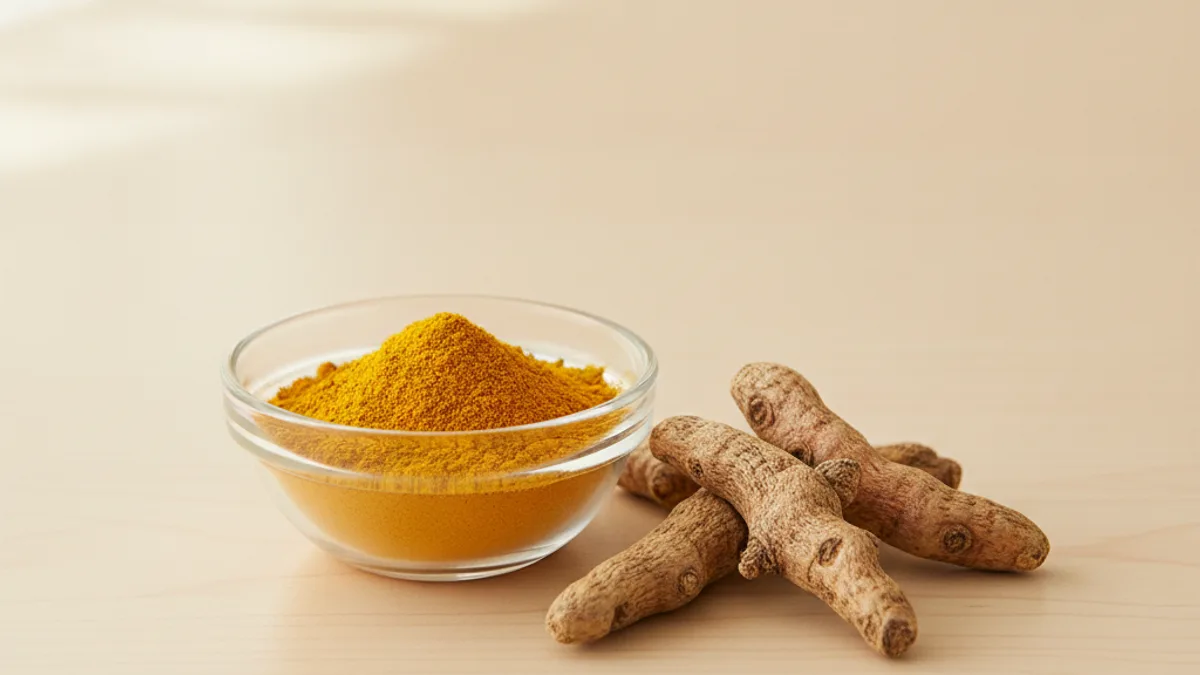
Berberine is a plant alkaloid that shows an effect on carbohydrate and lipid metabolism markers in meta-analyses. This led to the nickname "natural metformin," which is misleading: comparability in specific markers is not the same as comparability in terms of evidence base and quality control.
What it is
An alkaloid found in a number of plants, such as barberry, goldenseal, and coptis. It is bright yellow, bitter, and has long been known in traditional medicine; modern interest in it is linked to its metabolic effects.
The main mechanism described is the activation of an enzyme involved in regulating cellular energy metabolism, which subsequently influences glucose transport and lipid metabolism.
What meta-analyses have shown
A systematic review and meta-analysis on the efficacy and safety of berberine for a number of metabolic disorders describes its influence on carbohydrate and lipid metabolism markers. Effects on body weight are also noted, but they are more moderate than those on metabolic markers.
What to keep in mind when reading such results:
- Effect size. We are talking about statistically significant but moderate changes, not results comparable to pharmacological therapy.
- Quality of research. A significant portion of the studies have small sample sizes and were conducted in a single region.
- Concomitant interventions. In many studies, berberine was combined with dietary changes, making it difficult to separate the individual contributions.
Why comparison with medication is incorrect
The nickname refers to a prescription drug that a doctor prescribes based on indications and under supervision. In Russia, berberine is marketed as a component of dietary supplements, not as a medicinal product, and it cannot be used to replace prescribed therapy—these are different categories with different requirements.
This leads to three practical differences, analyzed in our article on dietary supplements, vitamins, and medications:
| Medication | Supplement | |
|---|---|---|
| Proof of efficacy | Required before registration | Not required |
| Content control | Strict, every batch | Significantly looser |
| Interaction tracking | In the package insert | Usually absent |
The second row is practically more important than the others: the actual content of the active substance in a supplement may differ from what is stated, and the consumer cannot verify this.
What is known about safety
In published studies, adverse events involving the gastrointestinal tract are most frequently noted—they are described as mild.
A separate and more significant topic is drug interactions. Berberine affects the liver enzyme system involved in drug metabolism, which can change the concentration of other medications in the blood. This is precisely why its use during ongoing therapy should be discussed with a doctor rather than started independently.
Additionally: pregnancy and breastfeeding are states in which it is not used.
Who might be interested and who might not
It is not a replacement. Neither for prescribed therapy nor for dietary changes. For carbohydrate metabolism disorders, the foundation remains what is discussed in our article on PCOS and insulin resistance.
Not a weight loss aid. The influence on body weight is moderate and is lost against the background of the margin of error in standard calorie counting—the mechanics are in our article on calorie counting apps.
Discuss with your doctor if you are taking any medications on a regular basis.
What truly determines results in weight loss is covered in our article on calorie deficits, and an analysis of a related group of products is in our article on fat burners.
Frequently asked questions
- Does berberine help with weight loss?
- Meta-analyses note an effect on body weight, but it is more moderate than the effect on carbohydrate and lipid metabolism markers, and it is practically lost against the background of the standard margin of error in calorie counting.
- Is it true that berberine is a "natural metformin"?
- This comparison is misleading. Comparability in certain indicators does not mean comparability in terms of evidence base, control of active ingredient content, or consideration of drug interactions.
- What is its status?
- In Russia, it is sold as a component of dietary supplements, not as a medication. This means that proof of efficacy is not required before market entry, and content control is significantly less stringent.
- Are there any side effects?
- Published studies most often note mild gastrointestinal adverse events. A more significant issue is its effect on liver enzymes that metabolize drugs, which can alter their concentration in the blood.
- Can I take berberine on my own?
- If you are taking any medications regularly, no; the matter should be discussed with a doctor due to potential interactions. It is not used during pregnancy or breastfeeding.
Read next
- How dietary supplements differ from vitamins and medications — In a pharmacy, two packages of vitamin D sit on the same shelf.
- Chromium picolinate: what the tests showed and why the conclusions are cautious — A meta-analysis of randomized trials showed a difference from placebo of about 1.
- Fat burners: what L-carnitine, green tea, and caffeine do in the body — A fat burner bottle usually says something true: carnitine does indeed transport fatty acids into the mitochondria, and caffeine does indeed increase energy expenditure.
This article is for general information. It is not medical advice, a diagnosis, or a prescription for treatment or a diet, and it does not replace a consultation with your doctor. If you have a health condition, are pregnant, take medication, or follow a diet prescribed to you, decisions about food belong with your doctor.
Figures from regulations, guidelines and studies are given as they stood when this article was prepared and may since have changed; check them against the primary sources. This article is not advertising, an offer, or individual advice, and neither the author nor the site owner is responsible for decisions taken on the basis of it.