Nutrition during breastfeeding: how much do you really need
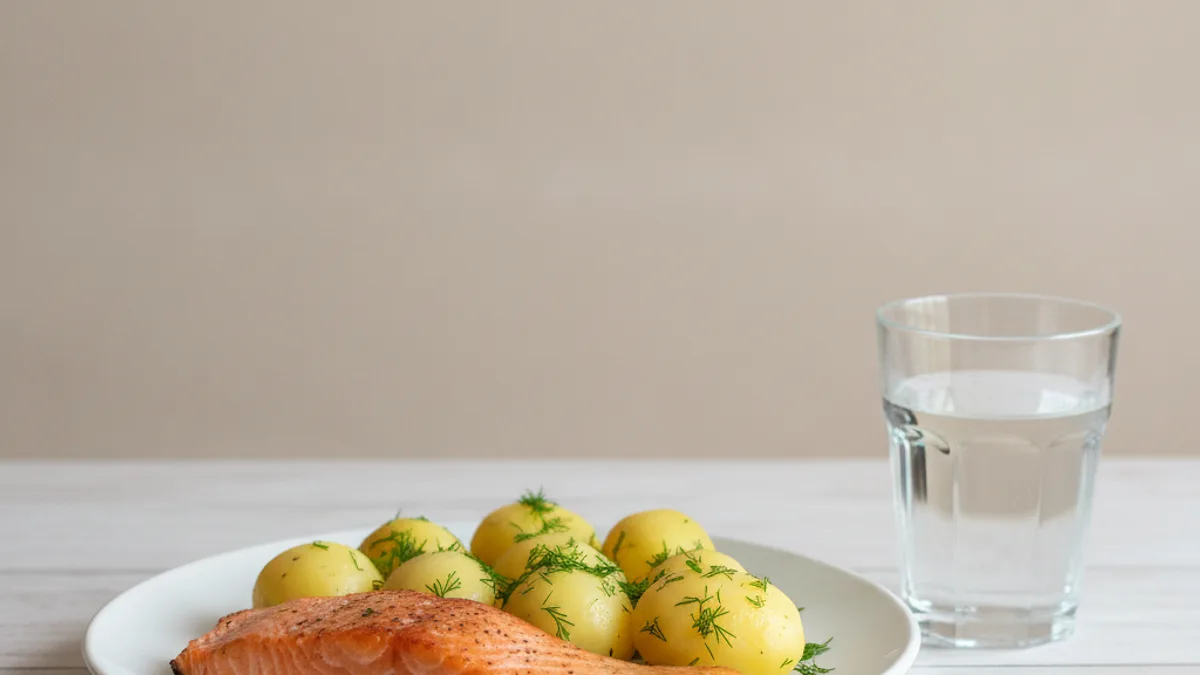
A long list of restrictions has formed around the diet of a nursing mother, which is almost entirely unsupported by evidence, alongside a very short list of what is actually important. Below is the latter.
How much energy goes into breast milk
The European Food Safety Authority has estimated the additional energy requirement for exclusive breastfeeding during the first six months at 2.1 MJ per day — about 500 kcal above a woman's normal pre-pregnancy needs. EFSA summary of reference values.
This number is calculated as follows: milk production requires approximately 670 kcal per day, of which about 170 kcal is covered by the energy stores accumulated during pregnancy. Hence the difference of 500.
After six months, there is no separate additional requirement in these recommendations: the volume of milk by this time varies greatly between different pairs and depends on how much other food the child is already eating.
The practical meaning of these 500 kcal is not to count them in a diary, but to understand the scale. It is roughly one extra full meal, not "eating for two."
What is truly critical
The composition of milk regarding essential substances is quite stable: if there is a deficiency in the diet, the body draws from its own stores, and it is the mother who suffers first, not the child. The exceptions are a few nutrients whose content in milk directly depends on what the woman eats.
| Substance | Why it is important |
|---|---|
| Iodine | Content in milk depends on intake; necessary for the child's nervous system development |
| Vitamin D | Levels in milk are low regardless of the mother's diet; a pediatrician decides on supplementation for the child |
| Vitamin B12 | Mandatory supplement for a vegan mother's diet, otherwise the child may develop a deficiency |
| Omega-3 (DHA) | Content in milk reflects the diet; sources include fatty fish or algae oil |
| Iron | Depleted in the mother, especially after blood loss during childbirth |
There is a separate analysis regarding iodine — how much is needed and why it is added to salt; and for vitamin D — here. Supplement doses during breastfeeding are prescribed by a doctor: some have upper limits that are easy to exceed by taking several products at once.
Water
The need is indeed higher — milk is nine-tenths water. But there is no need to "force" liters of water into yourself: thirst increases naturally during breastfeeding and handles the task. A simple practical rule is to keep a glass of water nearby while nursing. An analysis of general guidelines is available here — how much water you need to drink per day.
What myths are not supported
Preventive hypoallergenic diet. Eliminating milk, nuts, eggs, and fish from a breastfeeding mother's diet "to prevent allergies in the child" is not supported by modern recommendations: it has shown no preventive benefit and significantly impoverishes the diet. A confirmed allergy in the child is a different matter: in that case, a specific product is excluded under medical supervision.
Ban on "red" foods. The color of a product is not related to anything. Tomatoes, red apples, and beets ended up on lists based on logic that has nothing to do with allergology.
Cabbage, legumes, and "gas." Fiber that causes gas in the mother does not pass into the milk: substances from the blood pass into the milk, but fermentation products in the intestines do not. The link between cabbage in a mother's lunch and a child's restlessness is not confirmed by observations.
Coffee in general. Caffeine passes into milk, but normal amounts — two to three cups a day — are tolerated well by most children. Reactions can occur in newborns and premature infants, who metabolize caffeine more slowly. Analysis of doses — how much coffee you can drink.
The general rule: it makes sense to remove a product from your diet only when there is a specific observed reason, not "just in case." A breastfeeding woman is already sleep-deprived and short on time, and narrowing her diet based on an internet list is a poor trade-off.
Alcohol
There are no caveats here: no safe amount has been established, and the simplest option is not to drink. If a different decision is made, the known facts about pharmacokinetics apply: the concentration in milk mirrors the concentration in the blood and decreases only over time. Pumping does not lower the level — it removes the milk and whatever was dissolved in it, but the blood concentration remains the same. All other methods that promise to speed up elimination do not work.
About weight
Breastfeeding does consume energy, but it does not guarantee weight loss on its own: appetite also increases. An analysis of what goes away on its own and what does not is available separately — weight after childbirth.
What to know before setting a weight goal during this period:
- Severe calorie restriction while breastfeeding is not recommended: it coincides with a period when needs are higher than usual and sleep is shorter.
- Gradual weight loss through a moderate deficit is well-tolerated and does not affect lactation.
- A numerical weight goal in the first months after childbirth is a bad idea for reasons unrelated to nutrition. There is a separate article on when counting becomes harmful.
- Any weight loss plans during this period should be discussed with a doctor, not an app.
In short
Eat about one extra meal more than usual, keep an eye on iodine, vitamin D, and B12, drink when thirsty, do not remove foods without a reason, and do not set deadlines for weight loss. Everything else said about breastfeeding nutrition requires verification — and most often, it does not pass the test.
Frequently asked questions
- How many extra calories does a breastfeeding woman need?
- The European Food Safety Authority estimates about 500 kcal per day above normal requirements during the first six months of exclusive breastfeeding. After six months, these guidelines do not specify an additional increase.
- Should a breastfeeding mother eliminate allergens from her diet?
- Preventive elimination of milk, nuts, eggs, and fish is not supported by current guidelines: it has shown no benefit in preventing allergies in the child. A specific product is removed only upon a confirmed reaction and under a doctor's recommendation.
- Is it true that cabbage causes stomach pain in a baby?
- The link is not confirmed. Substances from the mother's blood pass into the milk, but the products of fiber fermentation in the intestine do not.
Read next
- Postpartum weight: what goes away on its own and what requires effort — The first 5–7 kilograms are lost during childbirth and in the following weeks without any effort — this is the baby, amniotic fluid, placenta, and excess fluid.
- Iodine: how much is needed and why it is added to salt — Iodine is necessary for the thyroid gland to synthesize hormones, and the daily requirement is measured in micrograms—but it is not always easy to obtain from a standard diet.
- Vitamin D: how much you need, where to get it, and when to get tested — Vitamin D differs from other vitamins in that humans can produce it themselves—in the skin under ultraviolet light.
This article is for general information. It is not medical advice, a diagnosis, or a prescription for treatment or a diet, and it does not replace a consultation with your doctor. If you have a health condition, are pregnant, take medication, or follow a diet prescribed to you, decisions about food belong with your doctor.
Figures from regulations, guidelines and studies are given as they stood when this article was prepared and may since have changed; check them against the primary sources. This article is not advertising, an offer, or individual advice, and neither the author nor the site owner is responsible for decisions taken on the basis of it.