Postpartum weight: what goes away on its own and what requires effort
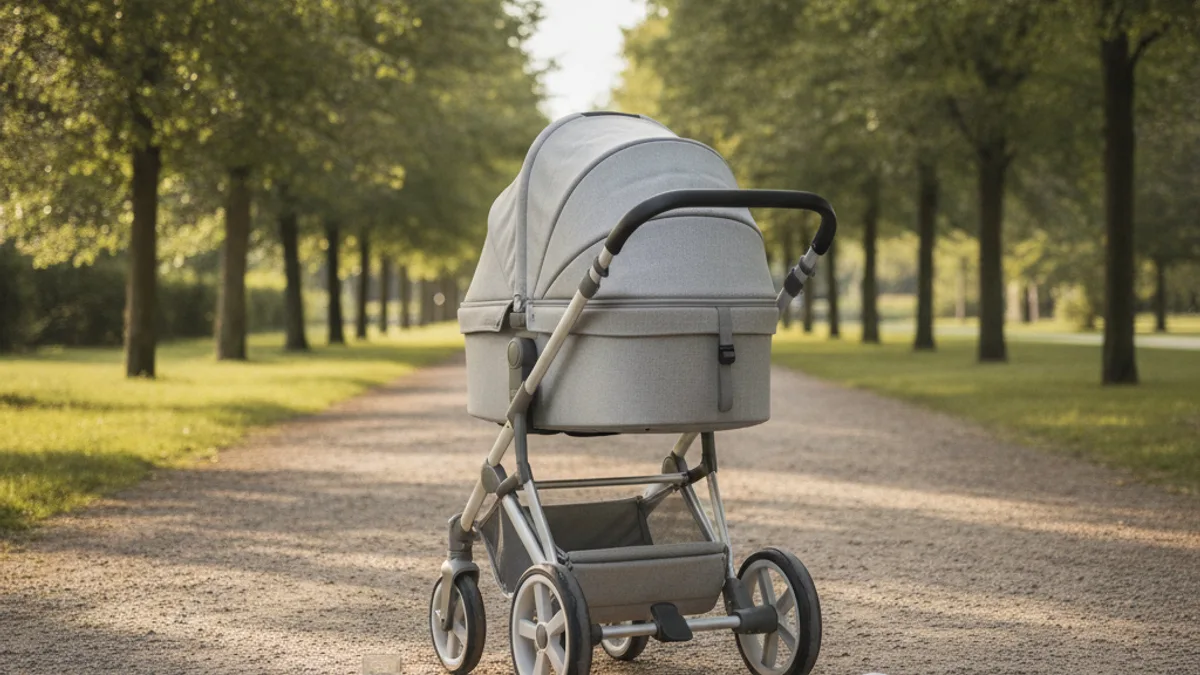
The first 5–7 kilograms are lost during childbirth and in the following weeks without any effort — this is the baby, amniotic fluid, placenta, and excess fluid. After that, simple arithmetic begins, but with two adjustments: sleep deprivation and breastfeeding. Both make rushing disadvantageous, and this is the main thing to know before starting.
What made up the weight gain
| Component | Approximate weight |
|---|---|
| Baby | 3–4 kg |
| Placenta and amniotic fluid | 1.5–2 kg |
| Increase in blood and fluid volume | 2–3 kg |
| Uterus and mammary glands | 1–2 kg |
| Fat stores | the rest |
The first four lines go away on their own: some during childbirth, some over the course of several weeks as fluid is excreted. You only have to work with the last one.
A practical conclusion follows: it is pointless to evaluate results in the first month and a half to two months — weight changes for reasons unrelated to nutrition.
Who should start and when
The cutoff point here is more important than the plan. Returning to exercise and a calorie deficit should be discussed with a doctor, and timelines vary: they are different after physiological birth and after a cesarean section, and complications change the picture.
A general guideline to start from: not before the postpartum period has passed and a doctor has confirmed there are no contraindications. Until that moment, the task is different — to eat enough, not less.
What breastfeeding changes
It increases energy expenditure — usually cited as around 400–500 kcal per day. This is a significant amount, and two things follow from it.
First: when breastfeeding, a deficit is created with less restriction than usual because expenditure is already higher.
Second: severe restriction while breastfeeding is not recommended. The guideline usually mentioned is a reduction of no more than 0.5 kg per week; a faster pace should be discussed with a doctor.
At the same time, breastfeeding itself does not lower weight: for some women, it is accompanied by an increased appetite, and the result is zero or the opposite. The mechanics are the same as everywhere else — analyzed in the article on calorie deficit.
Sleep deprivation is an underestimated factor
It is not a background issue here, but an active variable. Lack of sleep shifts appetite regulation and increases cravings for high-calorie food — the mechanism is analyzed in the article on sleep deprivation and weight.
The practical conclusion is unexpected: during this period, working on a sleep schedule, as much as it is manageable, yields more than tightening the diet. And this also explains why methods that used to work suddenly stop working.
What to do in practice
- Do not count for the first two months. Weight changes on its own, and there is nothing to evaluate based on it.
- Eat enough and regularly. Skipped meals during sleep deprivation almost guaranteed to result in evening overeating — analyzed in the article on emotional eating.
- Maintain protein intake. Guidelines are in the article on daily protein; when breastfeeding, the requirement is higher than usual.
- Start with walking. It is accessible with a stroller and requires neither a gym nor separate time.
- Pelvic floor and abdominal muscles — with a specialist. Diastasis recti after pregnancy requires a tailored exercise program, and regular crunches are not suitable; there is an article about this on how to lose belly fat.
- Moderate pace. 0.5 kg per week or slower.
What not to do
- Strict diets and fasting, especially while breastfeeding.
- Compare yourself to timelines from social media. They show exceptions, not the rule.
- Rely on "postpartum" supplements. Regarding their status — the article on dietary supplements, vitamins, and medications; when breastfeeding, any intake should be discussed with a doctor.
- Consider your previous weight a mandatory goal. Body composition and distribution may differ at the same number on the scale.
And the general framework: when breastfeeding, after complicated births, and in any conditions requiring monitoring, decisions about nutrition and exercise should be made with a doctor.
Frequently asked questions
- How much weight is lost immediately after childbirth?
- Usually 5–7 kg: the baby, placenta, amniotic fluid, and some excess fluid. The rest—increased blood volume, the uterus, and mammary glands—decreases on its own over several weeks.
- When can I start losing weight?
- After the postpartum period ends and a doctor confirms there are no contraindications. Timelines differ after vaginal delivery and cesarean section, and complications can change the situation.
- Does breastfeeding help with weight loss?
- It increases energy expenditure by approximately 400–500 kcal per day, but it does not automatically lead to weight loss: some women experience increased appetite, resulting in no net change. Drastic restriction is not recommended while breastfeeding.
- At what rate should I lose weight while breastfeeding?
- The generally recommended guideline is no more than 0.5 kg per week. A faster pace should be discussed with a doctor, as drastic restriction while breastfeeding is not recommended.
- Why have previous methods stopped working?
- The main underestimated factor is sleep deprivation: it disrupts appetite regulation and increases cravings for high-calorie food. During this period, managing sleep patterns often yields better results than tightening the diet.
Read next
- Calorie deficit: how to calculate it and how to hold it — A calorie deficit is the one thing without which weight does not come down.
- How sleep loss affects appetite and weight — Sleep usually turns up in the last paragraph of a weight-loss article, phrased vaguely enough to be safe.
- How much protein do you need per day — There are two opposing figures regarding protein: the official recommendation of about 0.
- Nutrition during breastfeeding: how much do you really need — A long list of restrictions has formed around the diet of a nursing mother, which is almost entirely unsupported by evidence, alongside a very short list of what is actually important.
This article is for general information. It is not medical advice, a diagnosis, or a prescription for treatment or a diet, and it does not replace a consultation with your doctor. If you have a health condition, are pregnant, take medication, or follow a diet prescribed to you, decisions about food belong with your doctor.
Figures from regulations, guidelines and studies are given as they stood when this article was prepared and may since have changed; check them against the primary sources. This article is not advertising, an offer, or individual advice, and neither the author nor the site owner is responsible for decisions taken on the basis of it.