Fractional nutrition: is it really necessary to eat five times a day
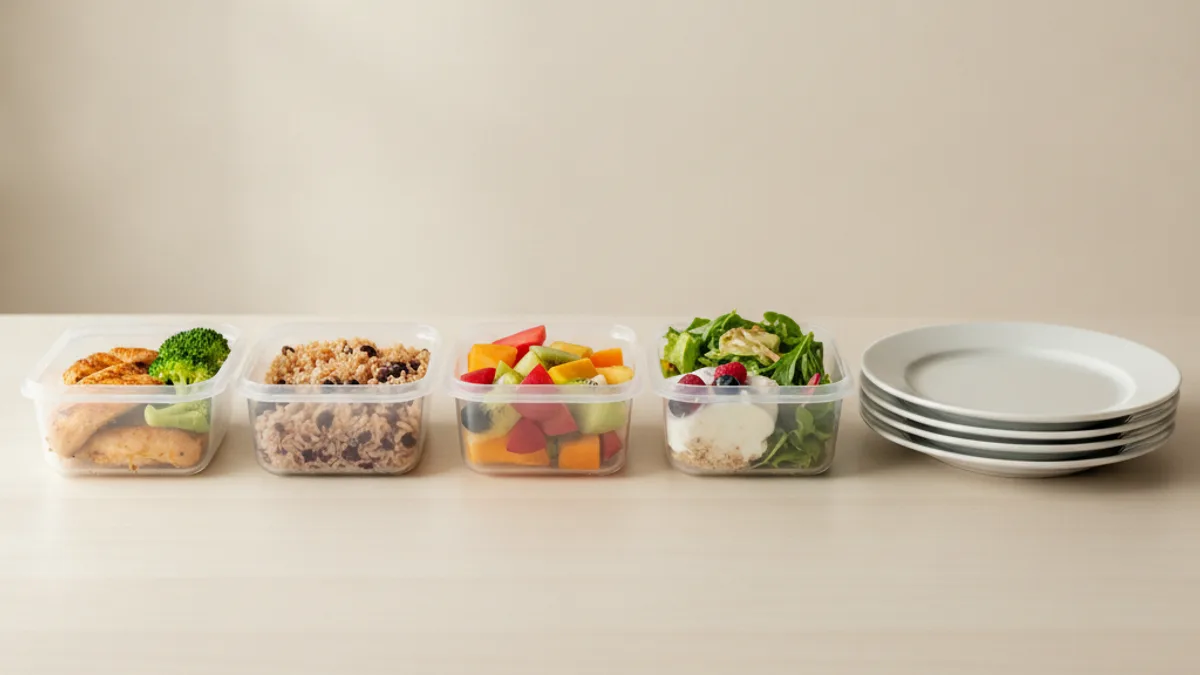
The advice to eat often and in small portions sounds so familiar that it is rarely questioned. The justification provided is usually physiological: frequent eating supposedly "boosts metabolism" and prevents the body from storing fat. Meal frequency has been compared in controlled studies, and the results do not support this justification.
Where the rule came from
The advice has two lines of origin, and neither is about a healthy person.
The first is medical nutrition. For certain gastrointestinal diseases, after surgeries, or for diabetes requiring insulin, a frequent meal schedule is prescribed, and there it has a basis.
The second is competitive bodybuilding, where frequent protein-rich meals were part of the preparation. From both areas, the recommendation entered general usage, losing along the way the conditions under which it makes sense.
"Boosts metabolism": what is actually happening here
The body spends energy to digest food — this is the thermic effect of food, about 10% of what is eaten in a standard mixed diet. Hence the reasoning: the more often you eat, the more you spend.
The error is that the effect is proportional not to the number of meals, but to the amount eaten. Two thousand kilocalories eaten in three meals or in six give the same total increase: six smaller portions mean six smaller spikes. By dividing a pie into more pieces, you do not get more pie.
Regarding metabolism itself and what can and cannot be done with it, there is a separate article on metabolism.
What comparisons have shown
A systematic review and network meta-analysis of randomized studies on the effect of meal frequency on anthropometric indicators found no significant effects in most comparisons and assessed the certainty of the evidence as mostly low or very low.
A review of observational studies on the link between meal frequency and weight and body composition reaches a similar conclusion: there is no confirmed link if one accounts for bias due to inaccurate dietary reporting.
The latter caveat is significant. In observational studies, people with excess weight systematically underestimate how much and how often they eat — and this in itself creates the appearance of a link between infrequent eating and excess weight.
What frequency actually changes
Not metabolism, but behavior — and here the differences are real, though individual.
- Hunger control. For some, it is easier with three hearty meals, for others — with five small ones. The reverse pattern occurs just as often as the direct one.
- Portion size. Frequent eating in small portions helps those who would otherwise overeat at dinner. And it hinders those for whom every extra meal is just another reason to eat more.
- Tracking. Six meals mean six entries in a diary. Over time, this is a noticeable difference in effort; regarding why people stop tracking, see the article on calorie counting apps.
- Snacks that aren't counted as meals. The main side effect of a frequent meal schedule: five meals easily turn into three full meals plus two "just a snack" instances.
Who actually needs a frequent meal schedule
There are conditions where frequency is dictated by medical considerations rather than convenience:
- diseases of the stomach, intestines, pancreas, and biliary tract — as prescribed by a doctor;
- conditions after surgery on digestive organs;
- diabetes with insulin therapy, where the schedule is coordinated with the administration regimen;
- pregnancy with severe nausea, when large portions are not tolerated;
- gastroesophageal reflux, where large volumes exacerbate symptoms.
In all these cases, the schedule is part of the treatment and is determined by a doctor.
What is more important than frequency
The total amount eaten and the composition of the diet. Three meals of 600 kcal and six of 300 give the same result, all other things being equal, and the difference between them is smaller than the difference between two different breakfasts of the same caloric content.
Practically, it is worth choosing the schedule that makes you overeat less often and makes tracking easier, and not changing it for the sake of theory. And among related topics, what is interesting is not frequency, but distribution over time — there is an article on intermittent fasting regarding the pause without food, and on late dinner — about eating after six.
Frequently asked questions
- Do you need to eat 5-6 times a day to lose weight?
- No. In a network meta-analysis of randomized controlled trials, meal frequency in most comparisons did not show significant effects on anthropometric indicators, and the certainty of the evidence was assessed as predominantly low.
- Is it true that eating frequently boosts metabolism?
- No. The energy required for digestion is proportional to the amount consumed, not the number of meals: two thousand kilocalories consumed in three meals or six meals result in the same total increase.
- Why, then, do observations link infrequent eating to excess weight?
- Because in observational studies, people with excess weight systematically underestimate how much and how often they eat. Reviews that account for this bias do not find a confirmed link.
- Who is actually prescribed frequent small meals?
- Those with diseases of the stomach, intestines, pancreas, and biliary tract, after digestive organ surgeries, with diabetes requiring insulin therapy, with reflux, and with severe nausea during pregnancy. In all cases, the regimen is determined by a doctor.
- How many times a day is it best to eat?
- As many times as helps you avoid overeating and makes tracking easier. The total amount consumed and the composition of the diet matter more than the distribution across the number of meals.
Read next
- Metabolism: is it true that it can be "boosted" and that it can "break" — One person is promised a metabolism boost through spices and frequent small meals, another explains weight plateaus by claiming their metabolism is broken from dieting.
- What happens to food eaten after six — The "no eating after six" rule has outlived dozens of diets and continues to serve as the primary advice for weight loss.
- Eating habits: what works and what doesn't — Almost all nutrition plans fail not because of a lack of knowledge, but because of execution.
This article is for general information. It is not medical advice, a diagnosis, or a prescription for treatment or a diet, and it does not replace a consultation with your doctor. If you have a health condition, are pregnant, take medication, or follow a diet prescribed to you, decisions about food belong with your doctor.
Figures from regulations, guidelines and studies are given as they stood when this article was prepared and may since have changed; check them against the primary sources. This article is not advertising, an offer, or individual advice, and neither the author nor the site owner is responsible for decisions taken on the basis of it.