Gout and purines: where they are actually found
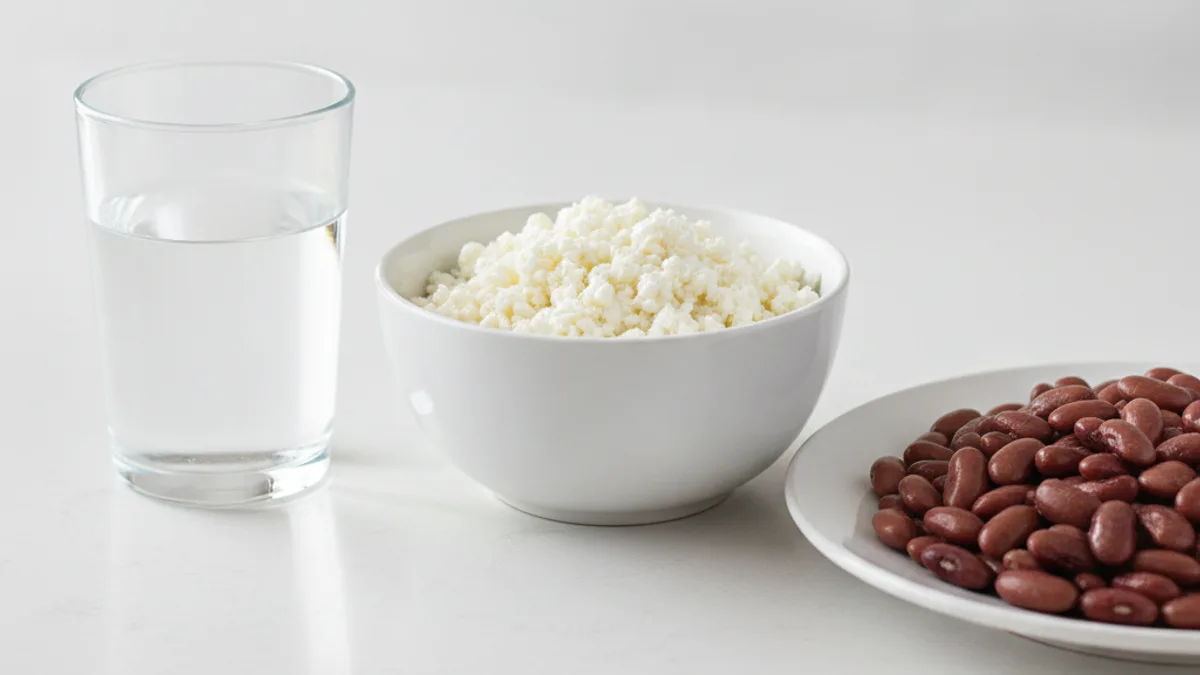
Lists of "foods to avoid with gout" are usually based on purine content tables. Observations of real people have provided a different picture, and half of the list has not been confirmed by them.
Where uric acid comes from
Purines are substances that are part of DNA and RNA, meaning they are present in every cell. The body breaks them down, and the end product of this breakdown is uric acid. When its concentration in the blood is high and persists for a long time, salts crystallize in the joints, which causes a gout attack.
A key detail that food lists usually overlook: most uric acid is produced from the body's own cells, not from what is eaten. Food provides a smaller share. Hence the limit of what can be achieved through diet.
What the observation showed
In 2004, a study by Choi et al. was published in the New England Journal of Medicine: 47,150 men without gout were observed for 12 years, and their diet was compared with the onset of the disease. Results for the top fifth of consumption versus the bottom:
| What | Relative risk | How to read |
|---|---|---|
| Meat | 1.41 | Risk is 41% higher |
| Seafood | 1.51 | 51% higher |
| Dairy products | 0.56 | Almost half as low |
| Purine-rich vegetables | No link found | Peas, beans, spinach, mushrooms |
| Total protein amount | No link found |
The last two rows are the most useful part of this work. Legumes, spinach, and mushrooms contain purines and have been on restricted lists for decades, but they were not associated with gout in this observation. It seems that it is not the purine itself that matters, but what it comes with.
The study was published in the New England Journal of Medicine. This is an observation of male healthcare workers, not an experiment. It shows a correlation, not a cause, and its findings should be applied to women with caution. But in terms of sample size and duration, it is one of the best works on the topic. How to read such studies is analyzed separately.
Three things outside the purine table
Alcohol. It has a stronger effect than most foods, and not just because of purines. Ethanol accelerates the formation of uric acid and simultaneously interferes with its excretion by the kidneys. Beer is worse than other types: it contains both.
Fructose. Its metabolism in the liver by itself increases the production of uric acid. This refers primarily to sugary drinks and industrial syrups, not fruit—the picture with fruit is more complex, as they also provide potassium and vitamin C. Analysis — fruit and blood sugar.
Dehydration and fasting. Both increase the concentration of uric acid. Rapid weight loss with a large deficit is a known trigger for an attack, which is why people with gout are advised to lose weight slowly.
What this means for your plate
Not a list of prohibitions, but four shifts:
- Less red meat and organ meats, less seafood. Not "forbidden," but "not every day." Liver, kidneys, and anchovies are at the top of the list for concentration.
- Dairy products are a plus. The only category with an inverse relationship in this observation. Low-fat products showed a clearer effect.
- Vegetables and legumes remain. There is no basis for removing them because of purines.
- Alcohol and sugary drinks are the first things to cut. The payoff from this is higher than from fussing over food lists.
Water: drinking plenty of fluids is included in all recommendations, although the quality of evidence here is more modest than for the points above. There is no harm in it, and this is a case where a cheap action with uncertain benefits is justified.
What diet does not replace
This is the most important part of the text. Changing your diet lowers the level of uric acid in the blood significantly less than drugs that reduce its production. For a person with a confirmed diagnosis and recurring attacks, diet is a supplement to treatment, not an alternative to it.
Refusing prescribed therapy in favor of "healthy eating" for gout leads to continued joint destruction, which occurs even between attacks when nothing hurts. Decisions about treatment and what level of uric acid to consider as a target are made by a doctor.
What to clarify with your doctor
- The target uric acid level specifically for you—it varies depending on whether you have tophi and how often attacks occur.
- Whether the medications you take increase it: some diuretics and low doses of acetylsalicylic acid affect this indicator.
- Kidney function: both the excretion of uric acid and the choice of medication depend on it.
- The rate of weight loss, if planned: rapid loss triggers an attack.
Frequently asked questions
- Should legumes and spinach be excluded for gout?
- In a 12-year study of 47,000 men, the consumption of purine-rich vegetables was not associated with the risk of gout. The rationale for removing them from the diet due to their purine content has not been confirmed.
- What increases uric acid the most?
- Alcohol, especially beer: ethanol both accelerates its production and hinders its excretion. This is followed by fructose from sugary drinks, red meat, and seafood, as well as dehydration and sudden fasting.
- Can gout be cured by diet?
- No. Diet affects uric acid levels significantly less than medications that reduce its production. Once a diagnosis is established, diet complements treatment, but joint damage continues even between attacks.
Read next
- How to read a nutrition study — Headlines claiming that "scientists have proven product X reduces the risk of Y" almost always describe a study that does not support such a conclusion.
- Fruit and blood sugar: how an apple differs from juice — Fruit is the only food that is simultaneously called a source of sugar and recommended for daily consumption.
- Calories in alcohol: how many calories are in beer, wine, and spirits — Alcohol is the only category that almost everyone skips when counting calories.
This article is for general information. It is not medical advice, a diagnosis, or a prescription for treatment or a diet, and it does not replace a consultation with your doctor. If you have a health condition, are pregnant, take medication, or follow a diet prescribed to you, decisions about food belong with your doctor.
Figures from regulations, guidelines and studies are given as they stood when this article was prepared and may since have changed; check them against the primary sources. This article is not advertising, an offer, or individual advice, and neither the author nor the site owner is responsible for decisions taken on the basis of it.