How to read a nutrition study
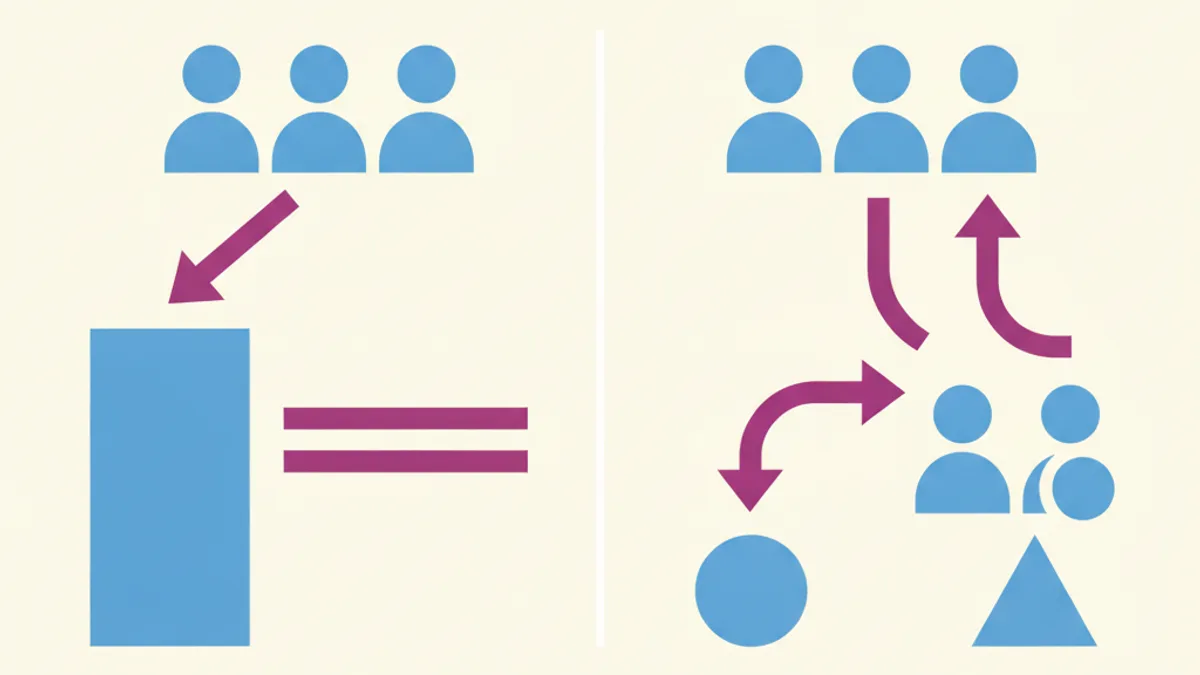
Headlines claiming that "scientists have proven product X reduces the risk of Y" almost always describe a study that does not support such a conclusion. You can distinguish between the two without a medical degree: just ask six questions about the text, and the answers to almost all of them can be found in the abstract.
1. Is it an observation or an experiment
In an observational study, people are not assigned to groups: they are monitored to see what they ate and what happened to them. This design shows an association, but not causation—people who eat more blueberries differ from others in more ways than just blueberry consumption.
An example from an analysis of three cohorts with 12,198 cases of diabetes: for whole fruits, the hazard ratio was 0.98 per three servings per week, while for juice it was 1.08. This is good material for a hypothesis but poor for the claim that "juice causes diabetes."
In an experiment, the assignment is randomized, which changes the strength of the conclusion. In the DIETFITS study, 609 people were randomized into a low-fat or low-carbohydrate diet, and the weight difference after one year was 0.7 kg with an interval of −0.2 to 1.6—meaning no significant difference was found.
2. What was measured: the outcome or its surrogate
A surrogate outcome is a metric that changes faster and is cheaper to measure: cholesterol, glucose, weight, or inflammatory markers. A true outcome is a heart attack, fracture, death, or a medical diagnosis.
The discrepancy between them can be significant. In the Look AHEAD study, an intensive lifestyle intervention program improved weight, glycated hemoglobin, and risk factors—yet the incidence of cardiovascular events over 9.6 years did not differ between the groups.
Therefore, the phrase "improves markers" and the phrase "reduces the risk of disease" are different claims, and the former does not imply the latter.
3. Relative or absolute risk
"Reduces risk by 8%" sounds the same regardless of the baseline probability, and that is the trick. Consider the data from the Physicians’ Health Study II: the cancer hazard ratio was 0.92—that is, minus 8% relative. In absolute numbers, this is 17.0 versus 18.3 cases per 1,000 person-years: a difference of 1.3 cases per thousand people per year.
Converting to absolute numbers is the fastest way to understand the scale of the effect. A good abstract provides both; if only the relative risk is given, it is a reason to be cautious.
4. How many people and for how long
Mechanistic studies are often conducted on a dozen volunteers over two hours—and that is appropriate for their purpose. The problem arises when such results are extrapolated to months and to the general population.
Example: insulin indices of foods were measured in groups of 11–13 people, with two hours of observation per food. This is solid work on postprandial response—and not at all a basis for building a long-term diet.
5. How the field is structured as a whole
An individual study may be flawless, while the field itself is skewed. A telling experiment: researchers took 50 random ingredients from a cookbook and searched for studies on their link to cancer. Articles were found for 40 ingredients; out of 264 individual estimates, 191 concluded that the product increases or decreases risk, yet 75% of the estimates were weakly significant or insignificant, and significant results were more likely to appear in the abstract than in the main text.
The same author, in a review of the state of nutritional epidemiology, explains why this happens: there is great freedom in choosing models and variables, and dietary data is collected via questionnaires.
Practical conclusion: a single study on a product and disease risk is almost always noise. It is better to look at systematic reviews and whether the effect is replicated.
6. Who paid and what was disclosed
A conflict of interest does not invalidate a result, but it explains how to read the phrasing. A good sign is when it is disclosed directly: for example, in a review on creatine use in women, the authors state that they consult for a creatine manufacturer. A bad sign is when funding is not mentioned at all.
The same applies to claims on packaging: the legal framework for them is described in the article on supplements, vitamins, and medicines.
Five-minute checklist
- Design: observation or randomization.
- Outcome: true or surrogate.
- Numbers: convert relative risk to absolute.
- Size and duration: how many people, how much time.
- Context: is there a systematic review on the topic.
- Disclosure: who provided the funding.
And a separate question for yourself: what will change in my decisions if this is true? Often the answer is "nothing," and then there is no need to read further. How to test effects on yourself and why it is more difficult than it seems is covered in the article on self-experimentation, and what chatbots think about these texts is in the article on AI nutritionists.
Frequently asked questions
- How does an observational study differ from a randomized one?
- In an observational study, people are monitored and their diet is compared with outcomes—this shows a correlation, but not causation. In a randomized study, participants are assigned to groups by chance, making it possible to draw conclusions about causation.
- What is a surrogate outcome?
- A marker that changes faster than the actual clinical outcome, such as cholesterol, glucose, or weight. In the Look AHEAD study, these markers improved, but the frequency of cardiovascular events over 9.6 years did not change—this is the gap between a surrogate and a clinical outcome.
- Why might "reduces risk by 8%" mean nothing?
- Because it is a relative value. In the Physicians’ Health Study II, a hazard ratio of 0.92 corresponded to a difference of 17.0 versus 18.3 cases per 1,000 person-years—approximately 1.3 cases per thousand people per year.
- Can one article about a food and a disease be trusted?
- Usually, no. In a systematic review of 50 random ingredients from a cookbook, articles linking them to cancer were found for 40 of them, with 75% of the estimates being weakly significant or insignificant.
- What should I do if studies contradict each other?
- Look at systematic reviews and meta-analyses rather than individual papers, and pay attention to the study design: observational studies conflict with each other more often than randomized trials do.
Read next
- Testing it on yourself: telling an effect apart from noise — Trying something on yourself is the only available way to find out whether it works for you specifically.
- Multivitamins: what large trials have shown — Multivitamins have been tested in randomized trials involving tens of thousands of people—a rare case in nutrition where we have experiments with placebos rather than just observations.
- AI nutritionist and nutrition chatbots: what can you trust — Asking a chatbot about your diet has become easier than making an appointment with a specialist, and the answer comes detailed, polite, and structured.
- Gout and purines: where they are actually found — Lists of "foods to avoid with gout" are usually based on purine content tables.
This article is for general information. It is not medical advice, a diagnosis, or a prescription for treatment or a diet, and it does not replace a consultation with your doctor. If you have a health condition, are pregnant, take medication, or follow a diet prescribed to you, decisions about food belong with your doctor.
Figures from regulations, guidelines and studies are given as they stood when this article was prepared and may since have changed; check them against the primary sources. This article is not advertising, an offer, or individual advice, and neither the author nor the site owner is responsible for decisions taken on the basis of it.