Lemon water on an empty stomach: what it does and what it doesn't
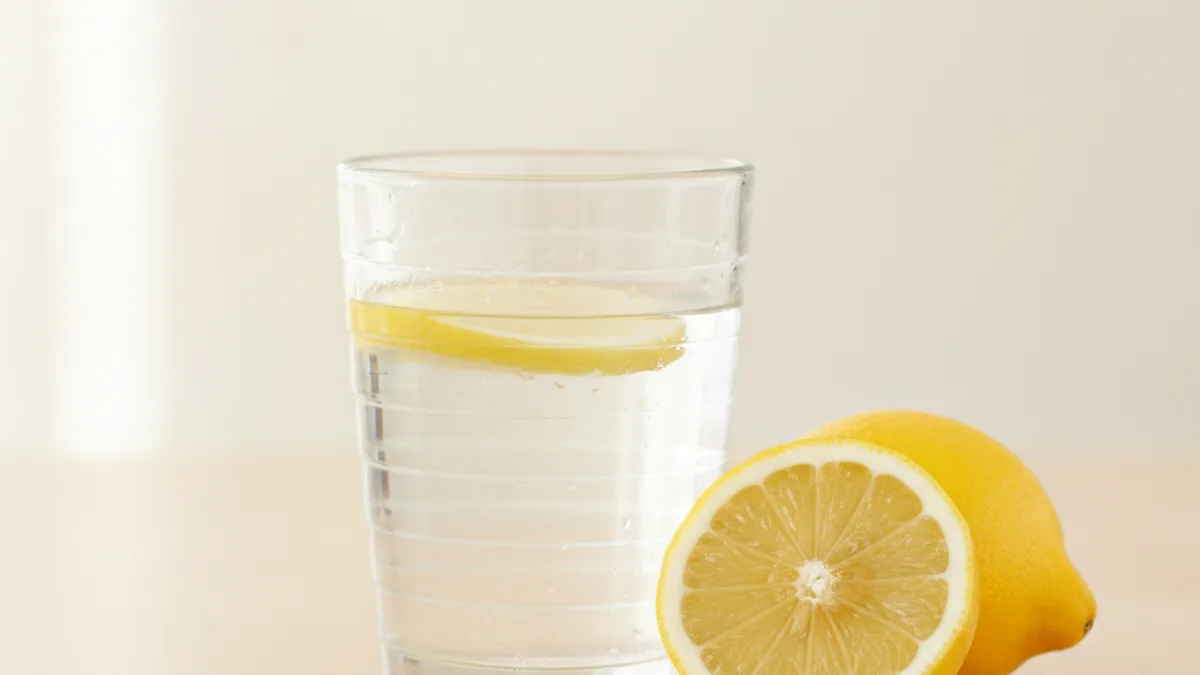
A glass of warm lemon water in the morning is a habit surrounded by an impressive list of promises: to boost metabolism, alkalize the body, flush out toxins, and help with weight loss. The habit itself is harmless and even beneficial, but for reasons quite different from what is commonly thought—and it has one real side effect that is rarely discussed.
What is in the glass
The juice of half a lemon is about 15–20 ml of liquid, about 3–6 kcal, and a small amount of citric acid, potassium, and vitamin C. There is about 10–15 mg of vitamin C in half a lemon, while the estimated daily requirement for an adult is about 80–95 mg: it makes a contribution, but not a decisive one, and bell peppers or kiwis provide more.
Everything else in the glass is water. And it is precisely this that is responsible for most of the benefits that people notice.
Analyzing the claims
"Boosts metabolism." Metabolism does not turn off at night and does not need to be boosted. Warm water in the morning may speed up the feeling of waking up and stimulate peristalsis, but it does not change the metabolic rate. What can and cannot be done with metabolism is covered in the article on metabolism.
"Alkalizes the body." Lemon juice is acidic, and blood pH is maintained within a narrow range by buffer systems, the lungs, and the kidneys, regardless of what is eaten. The claim about "alkalizing" is analyzed in full in the article on alkaline water.
"Removes toxins." The liver and kidneys are responsible for detoxification, and lemon does not participate in these processes. The mechanics are analyzed in the article on detox and "toxins".
"Helps with weight loss." There is no direct effect: three to six kilocalories and a little acid do not change anything in the energy balance. An indirect effect is possible and noticeable — more on that below.
What actually works
There are three indirect effects, and all of them are about behavior, not the lemon.
- Replacing a sugary drink. If a glass of water with lemon takes the place of morning juice or sugary coffee, the difference is 100–200 kcal per day. This is the only mechanism through which the habit is actually related to weight.
- More liquid. The taste helps those who find plain water unappealing to drink more of it. How much is needed and where the two-liter recommendation came from is covered in the article on water.
- Ritual. A morning action tied to waking up works as an anchor for other habits. For the mechanics of habit formation, see the article on eating habits.
None of the three points requires a lemon specifically — but they are not invalidated by the fact that it is not about the lemon.
A real side effect
There is one, and it is quite specific: tooth enamel. Citric acid dissolves the mineral component of enamel, and regular consumption of acidic drinks is associated with its erosion. A daily habit stretched over years is exactly the kind of regimen where this accumulates.
It is easy to mitigate:
- drink through a straw so that the liquid has less contact with the teeth;
- rinse your mouth with plain water afterward;
- do not brush your teeth immediately — a toothbrush removes enamel softened by acid faster; wait half an hour.
The second point is irritation of the mucous membrane. With gastritis accompanied by high acidity, peptic ulcer disease, and reflux, acidic foods on an empty stomach can worsen symptoms. This is individual and is checked by observation, and if a diagnosis has been established, it should be discussed with a doctor.
What to do with this
If you like the habit, it is harmless provided you follow the caveats about enamel, and it is appropriate as a way to drink more water. There is no basis to expect it to affect metabolism, blood acidity, or cleansing.
If the goal is weight loss, the habit is useful only to the extent that it displaces high-calorie drinks. What exactly they contain and why they are not perceived as food is analyzed in the articles on hidden sugar and calorie content of alcohol.
Frequently asked questions
- Does lemon water help with weight loss?
- Not directly: the juice of half a lemon provides about three to six kilocalories and does not affect the energy balance. It helps indirectly if it replaces a sugary drink — then the difference is 100–200 kcal per day.
- Is it true that lemon alkalizes the body?
- No. Lemon juice is acidic, but blood pH is maintained within a narrow range by buffer systems, the lungs, and the kidneys, regardless of what you eat. It is impossible for a healthy person to influence it through diet.
- Does lemon water boost metabolism?
- Metabolism does not shut down overnight and does not need a boost. Warm water may help you wake up and stimulate peristalsis, but it does not change your metabolic rate.
- Is lemon water harmful to teeth?
- Citric acid dissolves the mineral component of tooth enamel, and a daily habit over many years can contribute to erosion. Drinking through a straw, rinsing your mouth with plain water, and waiting about half an hour before brushing your teeth can help.
- Who should avoid drinking acidic beverages on an empty stomach?
- For those with gastritis with high acidity, peptic ulcer disease, or reflux, acidic drinks on an empty stomach may worsen symptoms. Reactions are individual, and if you have a diagnosed condition, you should discuss this with your doctor.
Read next
- Alkaline water and “an acidic body”: what the stomach does to it — People talk about “an acidic body” as though it were a condition you can acquire from the wrong breakfast and correct with the right water.
- Detox and "toxins": what the liver and kidneys actually do — The feeling of heaviness, bloating, and being "clogged up" is familiar to almost everyone, and the word "toxins" explains it faster than any other.
- How much water to drink per day and where the two liters came from — Everyone knows the "two liters a day" rule, but almost no one knows where this figure came from.
This article is for general information. It is not medical advice, a diagnosis, or a prescription for treatment or a diet, and it does not replace a consultation with your doctor. If you have a health condition, are pregnant, take medication, or follow a diet prescribed to you, decisions about food belong with your doctor.
Figures from regulations, guidelines and studies are given as they stood when this article was prepared and may since have changed; check them against the primary sources. This article is not advertising, an offer, or individual advice, and neither the author nor the site owner is responsible for decisions taken on the basis of it.