Nutrition
Vitamin B12: where it is in food and who should check their level
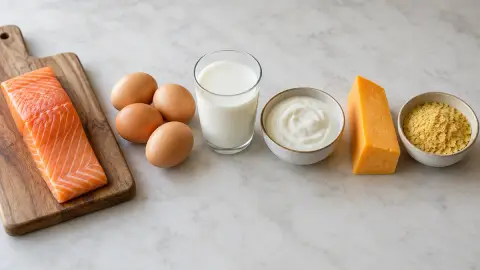
Vitamin B12 occurs naturally only in foods of animal origin; plant foods have it only when fortified.
Every article takes a claim you have already heard about food and follows the mechanism behind it — what actually happens in the body, what the research supports, and where the claim stops being true.
Vitamin B12 occurs naturally only in foods of animal origin; plant foods have it only when fortified.

Adults are advised about 3500 mg of potassium a day, by Rospotrebnadzor and by the European agency EFSA alike.

An ingredient scanner looks up a product by barcode and displays information found in its sources or read from the label.

Count homemade Caesar from its ingredients before assembly.

Count poke by adding the ingredients in the whole bowl: the base, fish or meat, vegetables, toppings and sauce.

Count a smoothie from its ingredients and the portion you drink.

Choose a prepared meal plan by its actual daily menu, delivery terms and full price.

Use the nutrition card for the exact Big Special burger you select, then count the full order separately: fries, drink, sauce and extras.

The VkusVill milk chocolate with pistachios and kataifi examined here contains 557 calories per 100 g.
This article is for general information. It is not medical advice, a diagnosis, or a prescription for treatment or a diet, and it does not replace a consultation with your doctor. If you have a health condition, are pregnant, take medication, or follow a diet prescribed to you, decisions about food belong with your doctor.
Figures from regulations, guidelines and studies are given as they stood when this article was prepared and may since have changed; check them against the primary sources. This article is not advertising, an offer, or individual advice, and neither the author nor the site owner is responsible for decisions taken on the basis of it.