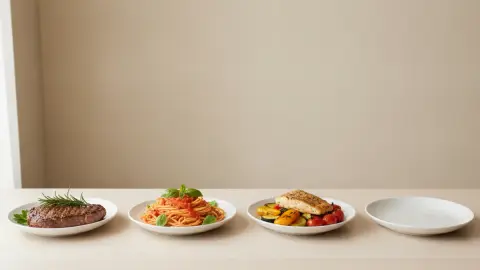
Weight loss
Types of diets
When comparing diets in studies, an inconvenient result emerges: the difference between them is smaller than the difference between the people who follow them and those who do not.
Every article takes a claim you have already heard about food and follows the mechanism behind it — what actually happens in the body, what the research supports, and where the claim stops being true.
When comparing diets in studies, an inconvenient result emerges: the difference between them is smaller than the difference between the people who follow them and those who do not.

Weight loss is boring: a slight energy deficit, enough protein, strength training, and time.
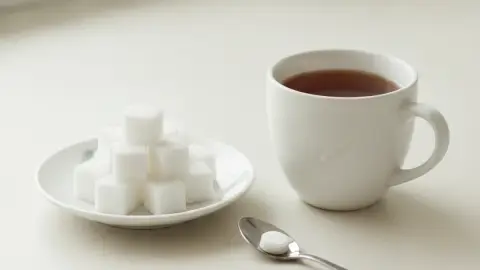
Arguments about sweeteners are conducted as though the choice were between them and plain water.

Palm oil has become the universal explanation for everything bad in food.

In a pharmacy, two packages of vitamin D sit on the same shelf.

The sports nutrition shelf is arranged so that expensive and useless products stand next to cheap and effective ones.

Almost all nutrition plans fail not because of a lack of knowledge, but because of execution.

Two things on packaging cause the most fear: codes with the letter E and the acronym "GMO.

Caloric intake answers one question: how much of you there will be.
This article is for general information. It is not medical advice, a diagnosis, or a prescription for treatment or a diet, and it does not replace a consultation with your doctor. If you have a health condition, are pregnant, take medication, or follow a diet prescribed to you, decisions about food belong with your doctor.
Figures from regulations, guidelines and studies are given as they stood when this article was prepared and may since have changed; check them against the primary sources. This article is not advertising, an offer, or individual advice, and neither the author nor the site owner is responsible for decisions taken on the basis of it.