
Nutrition
Cooking oil: smoke point and what matters more
The smoke point is usually cited as the main criterion for choosing a cooking oil.
Every article takes a claim you have already heard about food and follows the mechanism behind it — what actually happens in the body, what the research supports, and where the claim stops being true.
The smoke point is usually cited as the main criterion for choosing a cooking oil.

Honey, maple syrup, and agave syrup are marketed as sugar substitutes.

In the yogurt aisle, there are three different products with similar names, and the difference between them is defined by law, not by advertising.
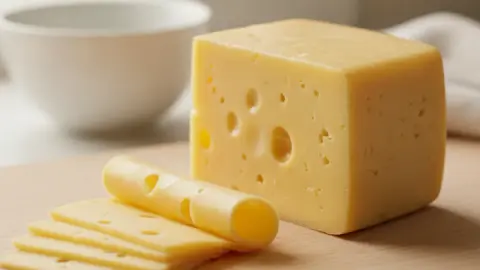
Cheese labeled "45%" does not contain 45 grams of fat per hundred, but rather about 27.
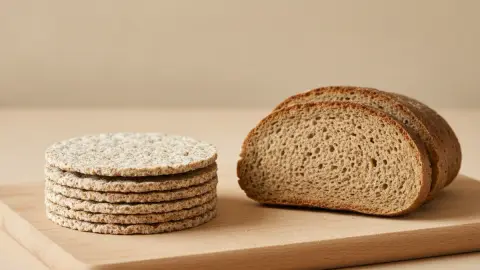
People buy crispbread instead of bread, thinking it is lighter.
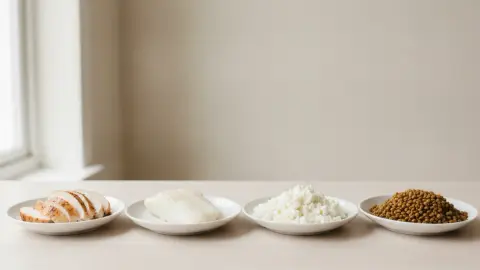
A food being "high in protein" and a food "providing a lot of protein per calorie" are not the same thing.
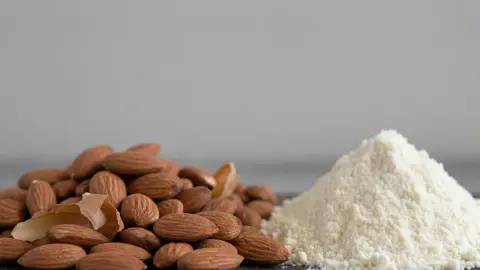
The calorie content of nuts in reference books is calculated, not measured, and for nuts, the calculation is systematically overstated.

Dormitories, rented rooms, hotels, offices, or kitchen renovations—there are many situations where you don't have a stove but still need to eat.

In a physical store, you can turn the packaging over in your hands.
This article is for general information. It is not medical advice, a diagnosis, or a prescription for treatment or a diet, and it does not replace a consultation with your doctor. If you have a health condition, are pregnant, take medication, or follow a diet prescribed to you, decisions about food belong with your doctor.
Figures from regulations, guidelines and studies are given as they stood when this article was prepared and may since have changed; check them against the primary sources. This article is not advertising, an offer, or individual advice, and neither the author nor the site owner is responsible for decisions taken on the basis of it.