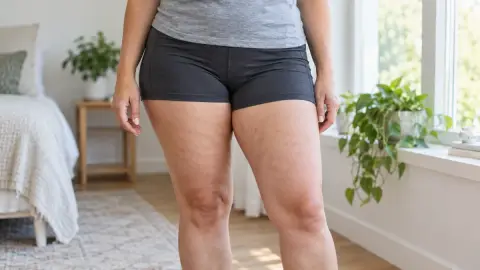
Weight loss
Cellulite and weight loss: what may change and what remains
Weight loss sometimes makes cellulite less visible, but it cannot guarantee that the dimples will disappear.
Every article takes a claim you have already heard about food and follows the mechanism behind it — what actually happens in the body, what the research supports, and where the claim stops being true.
Weight loss sometimes makes cellulite less visible, but it cannot guarantee that the dimples will disappear.
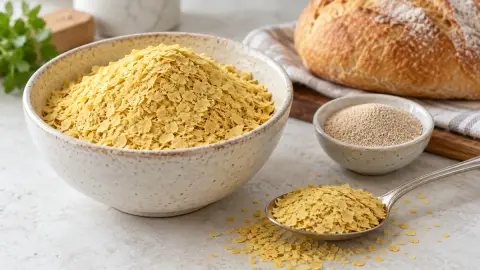
Nutritional yeast is dried, inactive yeast: it adds a savoury flavour but cannot raise dough.
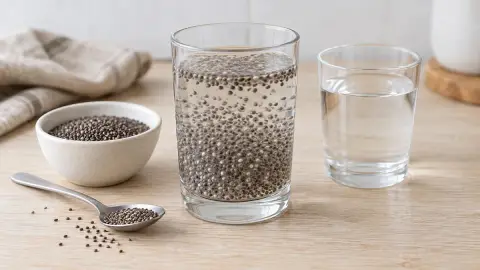
Chia seeds develop a clear gel in water, but they do not turn the drink into a calorie-free “super hydrator.
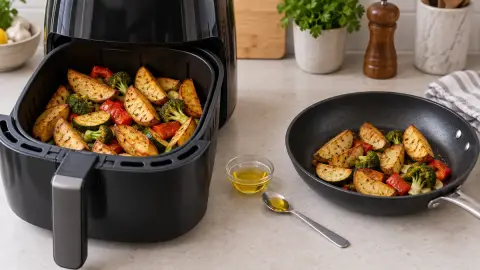
An air fryer saves exactly the calories in the oil you did not add.

There is no evidence that a “cortisol cocktail” lowers cortisol or treats the effects of stress.

Japanese interval walking alternates three minutes of fast walking with three minutes at an easy pace.
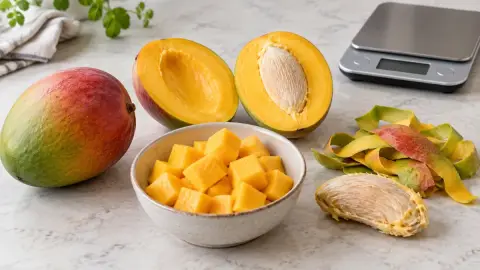
USDA lists one mango without refuse as 336 g and a cup of pieces as 165 g.
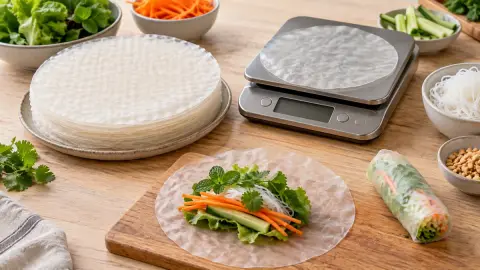
Log rice paper by the dry sheet.
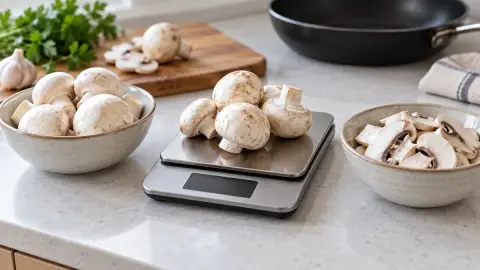
Mushrooms contain little energy on their own, which is why the larger tracking error often comes from the method rather than the mushrooms.
This article is for general information. It is not medical advice, a diagnosis, or a prescription for treatment or a diet, and it does not replace a consultation with your doctor. If you have a health condition, are pregnant, take medication, or follow a diet prescribed to you, decisions about food belong with your doctor.
Figures from regulations, guidelines and studies are given as they stood when this article was prepared and may since have changed; check them against the primary sources. This article is not advertising, an offer, or individual advice, and neither the author nor the site owner is responsible for decisions taken on the basis of it.