
Nutrition
Pre-workout supplements: what works in the jar
A pre-workout supplement is a blend of five to fifteen substances, only one of which is reliably effective.
Every article takes a claim you have already heard about food and follows the mechanism behind it — what actually happens in the body, what the research supports, and where the claim stops being true.
A pre-workout supplement is a blend of five to fifteen substances, only one of which is reliably effective.
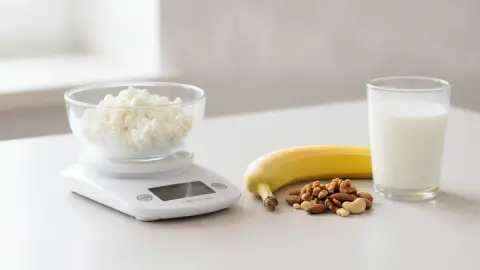
A calorie surplus is necessary for muscle gain, but the amount matters less than people think.

Fruit is the only food that is simultaneously called a source of sugar and recommended for daily consumption.
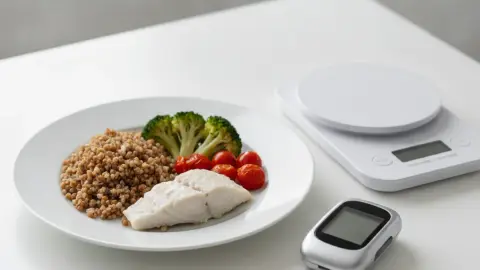
Debates about diet for type 2 diabetes often focus on choosing the right diet.

The insulin index shows how much insulin is released in response to a portion of food with the same caloric value.
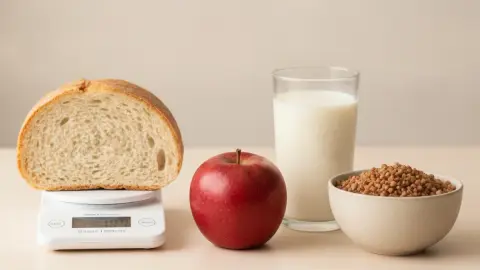
A bread unit is a measure of carbohydrates designed to convert food into an insulin dose.

The label "for diabetic nutrition" describes one property of a product — it contains fewer simple sugars than its standard counterpart.

If you are unfamiliar with the language of a menu, it is more useful not to translate the dish immediately, but to first save it exactly as it is printed.

At a buffet, calorie counting can only be approximate, and that is normal.
This article is for general information. It is not medical advice, a diagnosis, or a prescription for treatment or a diet, and it does not replace a consultation with your doctor. If you have a health condition, are pregnant, take medication, or follow a diet prescribed to you, decisions about food belong with your doctor.
Figures from regulations, guidelines and studies are given as they stood when this article was prepared and may since have changed; check them against the primary sources. This article is not advertising, an offer, or individual advice, and neither the author nor the site owner is responsible for decisions taken on the basis of it.