
Nutrition
Juice, nectar, mors, and juice-containing drinks: what is the difference
Four different products with similar images sit on adjacent shelves: juice, nectar, mors, and juice-containing drinks.
Every article takes a claim you have already heard about food and follows the mechanism behind it — what actually happens in the body, what the research supports, and where the claim stops being true.
Four different products with similar images sit on adjacent shelves: juice, nectar, mors, and juice-containing drinks.

There is a confirmed trend: consumers prefer products with short and understandable ingredient lists.

In the list of mandatory allergens, fish, crustaceans, and mollusks are listed as three separate items, and this is not just bureaucracy: their proteins are different, and a reaction to shrimp does not mean a reaction to cod.

GOST is often read as a mark of quality, while TU is seen as permission to do whatever one wants.

Gels, isotonic drinks, and bars on the course solve one problem — preventing fuel from running out where it is truly needed.

Sautéing involves 2–3 tablespoons of oil that go entirely into the pot: about 250–350 kcal for the whole pot, which is 50–90 kcal per serving.

There are three questions about coffee, and they are different: how much caffeine is safe, does coffee harm your health, and why a latte with syrup costs as much as a full meal.

Brominated vegetable oil served a specific technical purpose: to keep citrus flavorings in suspension so they would not float to the neck of the bottle.
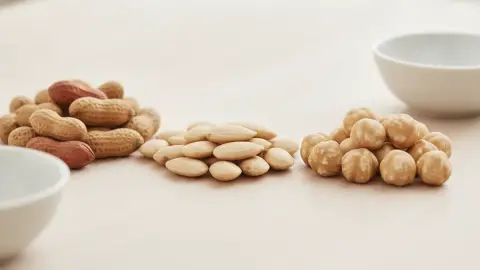
In the list of mandatory allergens, peanuts and tree nuts are listed as two separate items, and this is not just a formality: peanuts are legumes, not nuts, and an allergy to them does not mean an allergy to hazelnuts or almonds.
This article is for general information. It is not medical advice, a diagnosis, or a prescription for treatment or a diet, and it does not replace a consultation with your doctor. If you have a health condition, are pregnant, take medication, or follow a diet prescribed to you, decisions about food belong with your doctor.
Figures from regulations, guidelines and studies are given as they stood when this article was prepared and may since have changed; check them against the primary sources. This article is not advertising, an offer, or individual advice, and neither the author nor the site owner is responsible for decisions taken on the basis of it.