Ingredients and additives
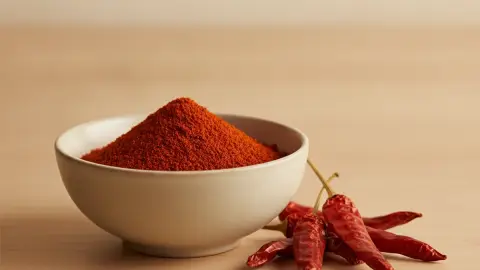
Sudan dyes: industrial paint found in spices
Sudan I, II, III, and IV are synthetic dyes for industrial use: they are used to color waxes, oils, solvents, and polishes.
Every article takes a claim you have already heard about food and follows the mechanism behind it — what actually happens in the body, what the research supports, and where the claim stops being true.
Sudan I, II, III, and IV are synthetic dyes for industrial use: they are used to color waxes, oils, solvents, and polishes.
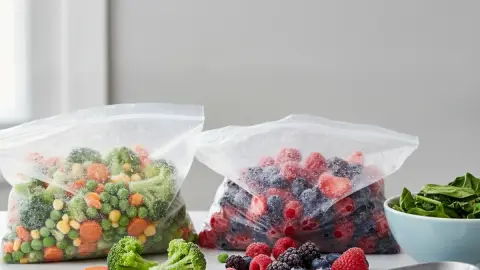
Freezing is often seen as a compromise: fresh is better, and frozen is only for when there is no choice.

The word "preservative" on an ingredient label is often seen as a negative, and products "without preservatives" sell better.
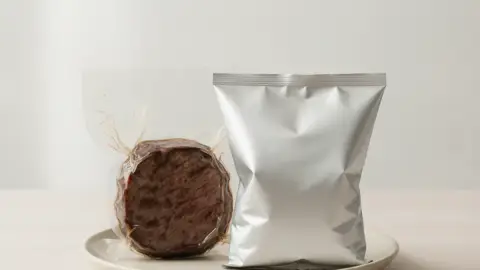
Packaging does more than just hold a product—it is part of the shelf life.

A short ingredient list sells better than a long one, and manufacturers know it.
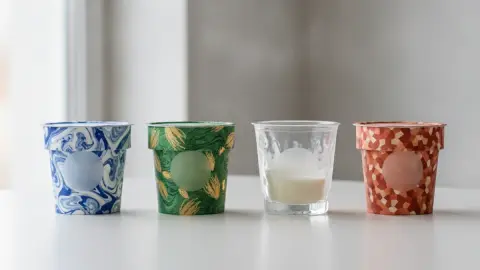
The same brand in two countries may have a different composition, and this is not always about cost-cutting.
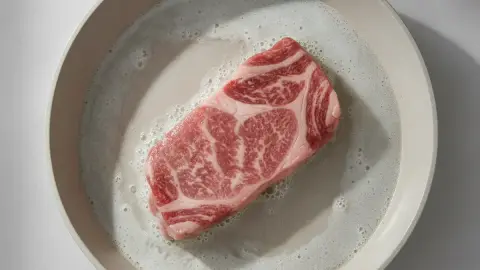
Phosphorus is an essential element: it is a component of bones, cell membranes, and molecules that transport energy.

The date on packaging is perceived as a boundary between "safe" and "unsafe," although it means different things for different products.

Water and fat do not mix—this is a basic fact, and it is the source of half the problems in food technology.
This article is for general information. It is not medical advice, a diagnosis, or a prescription for treatment or a diet, and it does not replace a consultation with your doctor. If you have a health condition, are pregnant, take medication, or follow a diet prescribed to you, decisions about food belong with your doctor.
Figures from regulations, guidelines and studies are given as they stood when this article was prepared and may since have changed; check them against the primary sources. This article is not advertising, an offer, or individual advice, and neither the author nor the site owner is responsible for decisions taken on the basis of it.