Intuitive eating or calorie counting: what to choose and for whom
The choice between them should be based not on effectiveness but on your goal: intuitive eating changes your relationship with food, while calorie counting measures energy.
Every article takes a claim you have already heard about food and follows the mechanism behind it — what actually happens in the body, what the research supports, and where the claim stops being true.
The choice between them should be based not on effectiveness but on your goal: intuitive eating changes your relationship with food, while calorie counting measures energy.
Following a prolonged energy deficit, energy expenditure is indeed lower than in someone with the same body composition who has not lost weight.
Practical advice from clinical guidelines for managing nausea on these medications centers on three things: eat small portions, eat slowly, and avoid fatty and spicy foods.
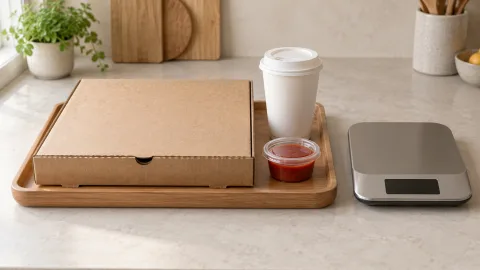
The calorie content of a fast food order is determined less by the chosen dish and more by portion size, drink, and sauces: the same dish may have two values in the chain’s nutritional table that differ by nearly twofold.
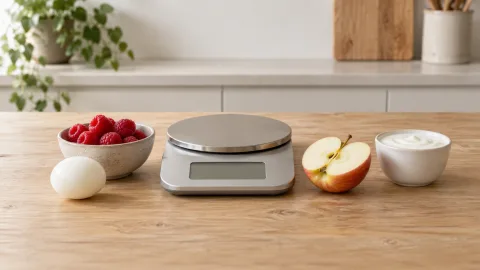
100 kcal fits 667 g of cucumber or 17 g of peanut butter: calorie-wise they’re equal, but not in satiety.
Swapping sauces, sides, and drinks cuts the most calories: mayonnaise for Greek yogurt saves about 180 kcal per 30 g, pasta for zucchini about 280 kcal per serving.
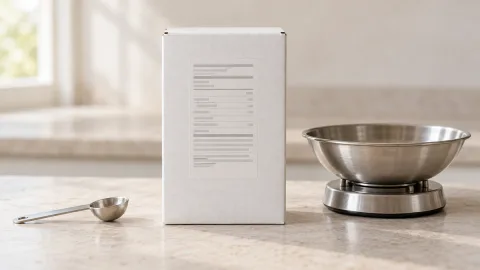
Net carbs are total carbohydrates listed on the label minus fiber and, for some manufacturers, sugar alcohols.
To compare products, use the “per 100 g” column, but calculate how much you’ve eaten based on the actual weight of the portion consumed.
DASH is an eating plan designed to lower blood pressure: plenty of vegetables, fruits, and whole grains; low-fat dairy; and limited salt and sweets.
This article is for general information. It is not medical advice, a diagnosis, or a prescription for treatment or a diet, and it does not replace a consultation with your doctor. If you have a health condition, are pregnant, take medication, or follow a diet prescribed to you, decisions about food belong with your doctor.
Figures from regulations, guidelines and studies are given as they stood when this article was prepared and may since have changed; check them against the primary sources. This article is not advertising, an offer, or individual advice, and neither the author nor the site owner is responsible for decisions taken on the basis of it.