
Shopping
Promotions and yellow price tags: how they work and when they are worth it
A yellow price tag works not because the price is low, but because it is high-contrast: the eye finds it before it reads the number.
Every article takes a claim you have already heard about food and follows the mechanism behind it — what actually happens in the body, what the research supports, and where the claim stops being true.
A yellow price tag works not because the price is low, but because it is high-contrast: the eye finds it before it reads the number.

Body mass index takes ten seconds to calculate and is therefore used where it shouldn't be: for an individual.

Cholesterol from food and cholesterol in blood tests are not the same substance in different places, but two weakly related values.

Vitamin D differs from other vitamins in that humans can produce it themselves—in the skin under ultraviolet light.

A glass of warm lemon water in the morning is a habit surrounded by an impressive list of promises: to boost metabolism, alkalize the body, flush out toxins, and help with weight loss.
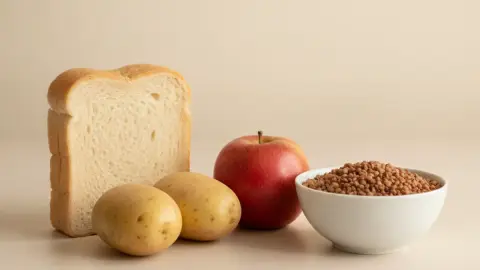
The classification of carbohydrates into fast and slow is older than the data it is supposed to be based on.
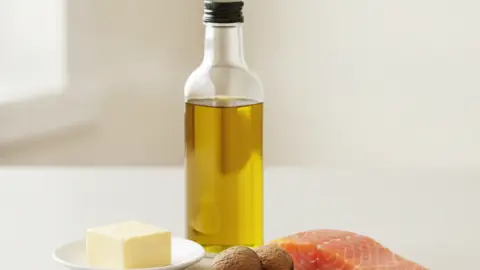
Dividing fats into "healthy" and "unhealthy" is convenient for a headline but almost useless at the grocery shelf: a single product usually contains all types at once, and the difference between them is not about general health benefits, but about specific effects.
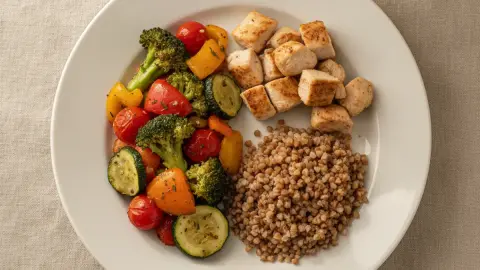
People look for a ready-made weekly menu to avoid thinking.

Breakfast is called the most important meal of the day, and the justification is usually linked to weight: those who skip breakfast overeat in the evening.
This article is for general information. It is not medical advice, a diagnosis, or a prescription for treatment or a diet, and it does not replace a consultation with your doctor. If you have a health condition, are pregnant, take medication, or follow a diet prescribed to you, decisions about food belong with your doctor.
Figures from regulations, guidelines and studies are given as they stood when this article was prepared and may since have changed; check them against the primary sources. This article is not advertising, an offer, or individual advice, and neither the author nor the site owner is responsible for decisions taken on the basis of it.