Shopping
Nitrates in vegetables: how much and what to do about it
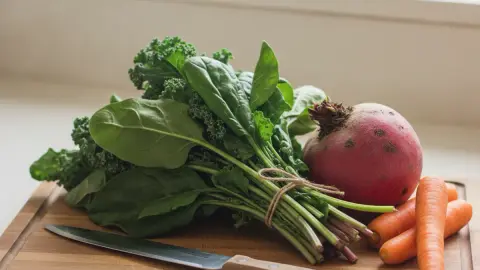
Nitrates are always present in vegetables: they are a form of nitrogen from which the plant builds protein.
Every article takes a claim you have already heard about food and follows the mechanism behind it — what actually happens in the body, what the research supports, and where the claim stops being true.
Nitrates are always present in vegetables: they are a form of nitrogen from which the plant builds protein.

Plant-based beverages replace cow's milk in taste and in coffee, but not in composition.

People trying to lose weight have the goal of eating less without feeling hungry.

A fasting day is a 24-hour period with sharply reduced calorie intake, usually consisting of a single food item.

You manage to eat moderately during the day, but after eight o'clock, it starts.

These are two different mechanisms, and they are constantly confused.

For most people, dinner is the largest meal of the day, and this is not a mistake in their routine.

PP is a Russian abbreviation for "proper nutrition" (clean eating).

Weight that begins to increase without changes in diet or activity is sometimes explained not by metabolism, but by a medication started a couple of months prior.
This article is for general information. It is not medical advice, a diagnosis, or a prescription for treatment or a diet, and it does not replace a consultation with your doctor. If you have a health condition, are pregnant, take medication, or follow a diet prescribed to you, decisions about food belong with your doctor.
Figures from regulations, guidelines and studies are given as they stood when this article was prepared and may since have changed; check them against the primary sources. This article is not advertising, an offer, or individual advice, and neither the author nor the site owner is responsible for decisions taken on the basis of it.