Technology
Chestny Znak and the square code on the packaging: what it shows
Next to the familiar stripes on packaging, there is increasingly a small square made of dots.
Every article takes a claim you have already heard about food and follows the mechanism behind it — what actually happens in the body, what the research supports, and where the claim stops being true.
Next to the familiar stripes on packaging, there is increasingly a small square made of dots.
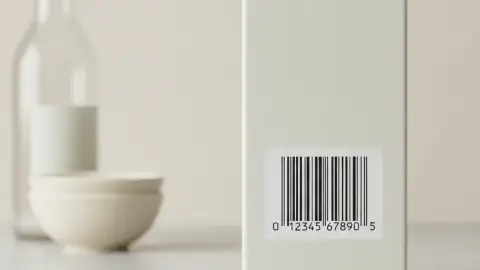
There is a persistent belief about barcodes: that you can supposedly tell the country where a product was made from the first digits, and verify its authenticity from the rest.
The unpleasant feature of machine responses is not that they can be incorrect—reference books and labels can be wrong too.
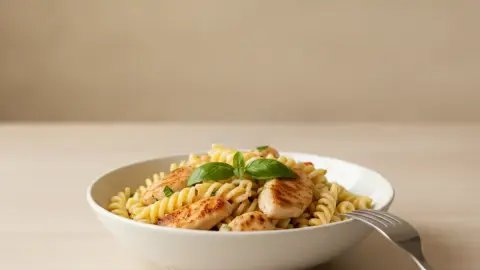
A photo of a plate turns into a number on the screen in a few seconds, and from the outside, it looks like a measurement.

A home-cooked meal can be calculated by its ingredients, and packaged food can be checked on the label.
The same buckwheat in three different apps gives three different calorie counts, and the package shows a fourth.

The WHO recommendation is less than five grams of salt per day, but the actual intake is about twice that.
The weight has stayed at the same number for the third week in a row, even though the diet hasn't changed — and the first instinct is usually the same: to cut even more.

People usually say the same thing about 16/8: at some point, the body "switches to fat," and then "autophagy kicks in.
This article is for general information. It is not medical advice, a diagnosis, or a prescription for treatment or a diet, and it does not replace a consultation with your doctor. If you have a health condition, are pregnant, take medication, or follow a diet prescribed to you, decisions about food belong with your doctor.
Figures from regulations, guidelines and studies are given as they stood when this article was prepared and may since have changed; check them against the primary sources. This article is not advertising, an offer, or individual advice, and neither the author nor the site owner is responsible for decisions taken on the basis of it.