
Ingredients and additives
E numbers on Russian shelves: an analysis of 48,000 ingredient lists
We analysed 48,230 ingredient lists from the product pages of six Russian retail chains.
Every article takes a claim you have already heard about food and follows the mechanism behind it — what actually happens in the body, what the research supports, and where the claim stops being true.
We analysed 48,230 ingredient lists from the product pages of six Russian retail chains.
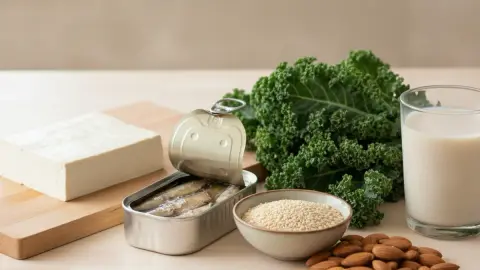
Adults are advised 1000 mg of calcium a day in Russia and 950 mg by EFSA.

Only two symbols are mandatory on packaging: the glass and fork, and the Mobius loop with a material code.
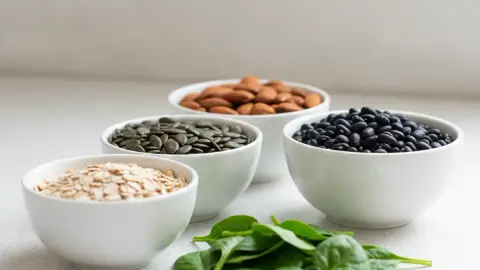
People often look for magnesium in a supplement bottle, though everyday foods contain it too.
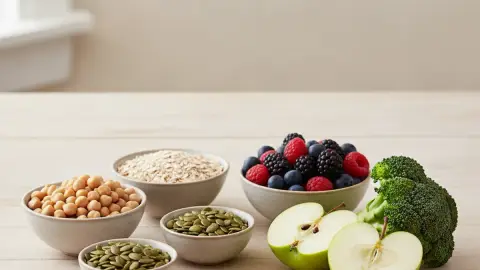
You do not need bran or a specialty bar to get more fiber.

Proffee is not a separate product or a standard recipe, but coffee with a protein source.

“Food noise” describes more than an interest in food: it is a persistent, burdensome inner conversation about it.
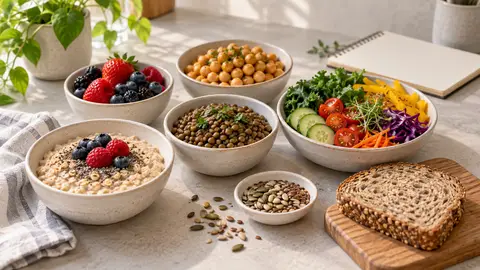
Fibermaxxing is the 2026 search term for the idea of adding as much fiber to your diet as possible.

At a gas station, there is no time to examine the shelf or weigh food.
This article is for general information. It is not medical advice, a diagnosis, or a prescription for treatment or a diet, and it does not replace a consultation with your doctor. If you have a health condition, are pregnant, take medication, or follow a diet prescribed to you, decisions about food belong with your doctor.
Figures from regulations, guidelines and studies are given as they stood when this article was prepared and may since have changed; check them against the primary sources. This article is not advertising, an offer, or individual advice, and neither the author nor the site owner is responsible for decisions taken on the basis of it.