
Calorie counting
Calorie content of coffee shop drinks: where the difference hides
In a coffee shop, calories are often hidden in the cup rather than in the food next to it.
Every article takes a claim you have already heard about food and follows the mechanism behind it — what actually happens in the body, what the research supports, and where the claim stops being true.
In a coffee shop, calories are often hidden in the cup rather than in the food next to it.

A business lunch is convenient for the very reason it is inconvenient for tracking: the composition is set, the choice is limited to two or three options, and everything is served at once.

Choosing based solely on calories leads to odd decisions: a salad with dressing ends up being "heavier" than a chicken breast, and the lightest item on the menu becomes mineral water.

Calorie counts are usually absent from menus, leading to the natural conclusion that they are not required.

Lunch at a cafe is usually where a food diary falls apart.

A photo of a menu page is transformed into a list of dishes with calorie and macronutrient counts.

Menus often list only the name and price.
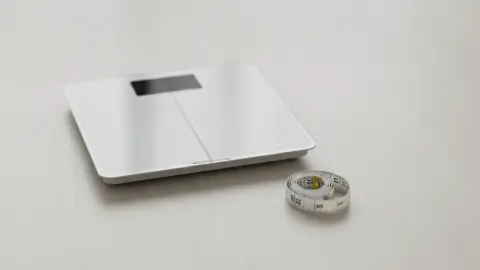
The app has shown a deficit for four weeks, but the scale hasn't moved.

The first week of tracking rarely ends with numbers you can trust.
This article is for general information. It is not medical advice, a diagnosis, or a prescription for treatment or a diet, and it does not replace a consultation with your doctor. If you have a health condition, are pregnant, take medication, or follow a diet prescribed to you, decisions about food belong with your doctor.
Figures from regulations, guidelines and studies are given as they stood when this article was prepared and may since have changed; check them against the primary sources. This article is not advertising, an offer, or individual advice, and neither the author nor the site owner is responsible for decisions taken on the basis of it.