Chicken or turkey: which to choose for protein and calories
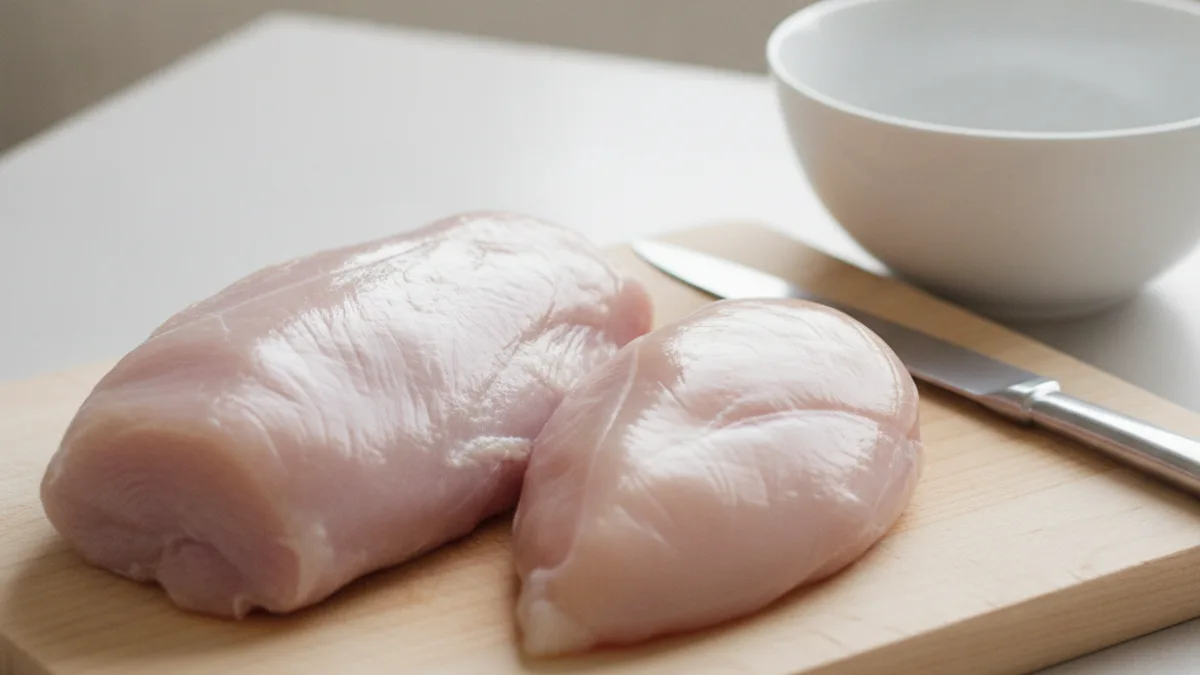
Boiled chicken breast has about 165 kcal and 31 g of protein per 100 g, while turkey breast has about 145 kcal and 30 g of protein. There is a difference between the birds, but it is smaller than the difference between the breast and the thigh within the same carcass. That is why the question "chicken or turkey" is not answered the way it is asked.
Table by cut
Values for boiled or baked meat without added fat, per 100 g of the finished product.
| Cut | Kcal | Protein | Fat |
|---|---|---|---|
| Chicken breast without skin | ~165 | ~31 g | ~3.6 g |
| Turkey breast without skin | ~145 | ~30 g | ~2 g |
| Chicken thigh without skin | ~190 | ~25 g | ~9 g |
| Turkey thigh without skin | ~180 | ~28 g | ~7 g |
| Chicken thigh with skin | ~230 | ~23 g | ~15 g |
| Chicken wing with skin | ~250 | ~22 g | ~18 g |
Look at the range. Between two breasts, there is a 20 kcal difference; between a chicken breast and a chicken wing, there is an 85 kcal difference. The cut matters more than the bird species.
What differs significantly
Breast fat content. Turkey is drier—this is both an advantage when counting calories and a disadvantage when cooking: it is easier to overcook than chicken.
Iron. Turkey, especially the thigh, contains more iron, which is why the meat is darker.
Portion size. Turkey cuts are larger, and a "single breast" portion weighs significantly more—this changes the result more often than the calorie count per 100 g. How to estimate weight without a scale is covered in our article on portion weight.
Price. Turkey is usually more expensive per kilogram; see our comparison in the article on price per kilogram.
What changes the numbers more than the choice of bird
- Skin. Adds 40–60 kcal per 100 g—more than the entire difference between chicken and turkey.
- Cooking method. A tablespoon of oil in a pan is 110 kcal, and some of it is absorbed. Baking and boiling do not add this.
- Breading. It absorbs oil and adds carbohydrates; nuggets and patties in breading are a different category of product.
- Marinade and sauce. Honey and creamy sauces add dozens of kilocalories per portion; a breakdown of dressings is in our article on salads without mayonnaise.
- Ground meat. The fat content depends on what it is made of, and "ground chicken" can range from 120 to 220 kcal per 100 g.
On "dietary" properties
Both birds are good sources of protein per calorie, and in this sense, the choice between them is secondary. A noticeable difference appears only when compared with fattier meat, and it is visible in the fat row of the table.
A separate category is processed poultry products: sausages, frankfurters, ham, and nuggets. They belong to a different group of products regardless of which bird they are made from; see our analysis in the articles on sausage composition and ultra-processed food.
Short answer
In terms of protein per calorie, breasts are almost equal, with turkey being slightly more favorable. If you are counting precisely, choose the one that is cheaper and tastier to you, and pay attention to the cut, skin, and cooking method: they change the result much more significantly.
A practical way to prep protein for several days in one go is in our article on chicken in the oven.
Frequently asked questions
- Which is higher in calories — chicken or turkey?
- Skinless chicken breast has about 165 kcal per 100 g of cooked meat, while turkey has about 145. The difference between the breast and the wing within the same carcass can reach 85 kcal, meaning the cut matters more than the type of bird.
- Which has more protein?
- About the same: around 31 g in chicken breast and about 30 g in turkey per 100 g of cooked meat. In terms of protein per calorie, turkey is slightly more efficient due to its lower fat content.
- How much does the skin change the calorie count?
- It adds 40–60 kcal per 100 g, which is more than the entire difference between chicken and turkey. A skinless chicken thigh is about 190 kcal, while with skin it is about 230.
- How does turkey differ besides calories?
- It contains more iron, especially in the thigh, which is why the meat is darker. Turkey breast is drier and easier to overcook, and the pieces are larger, which is why a "single breast" portion weighs significantly more.
- What is more important than the choice between birds?
- The cut, the presence of skin, the cooking method, breading, and sauce. A tablespoon of oil in a pan is 110 kcal, breading adds carbohydrates and absorbs fat, and ground chicken can be anywhere from 120 to 220 kcal per 100 g.
Read next
- Oven-roasted chicken: one batch for several days — Roasted chicken is the most practical meal prep there is: forty minutes of oven time covers your protein needs for lunch for three to four days.
- How to determine portion size without a scale — Portion weight is the most inaccurate variable in any calculation, including analysis by photo.
- How much protein do you need per day — There are two opposing figures regarding protein: the official recommendation of about 0.
This article is for general information. It is not medical advice, a diagnosis, or a prescription for treatment or a diet, and it does not replace a consultation with your doctor. If you have a health condition, are pregnant, take medication, or follow a diet prescribed to you, decisions about food belong with your doctor.
Figures from regulations, guidelines and studies are given as they stood when this article was prepared and may since have changed; check them against the primary sources. This article is not advertising, an offer, or individual advice, and neither the author nor the site owner is responsible for decisions taken on the basis of it.