kcal, cal, and kJ: how to convert and why there are two numbers on the package
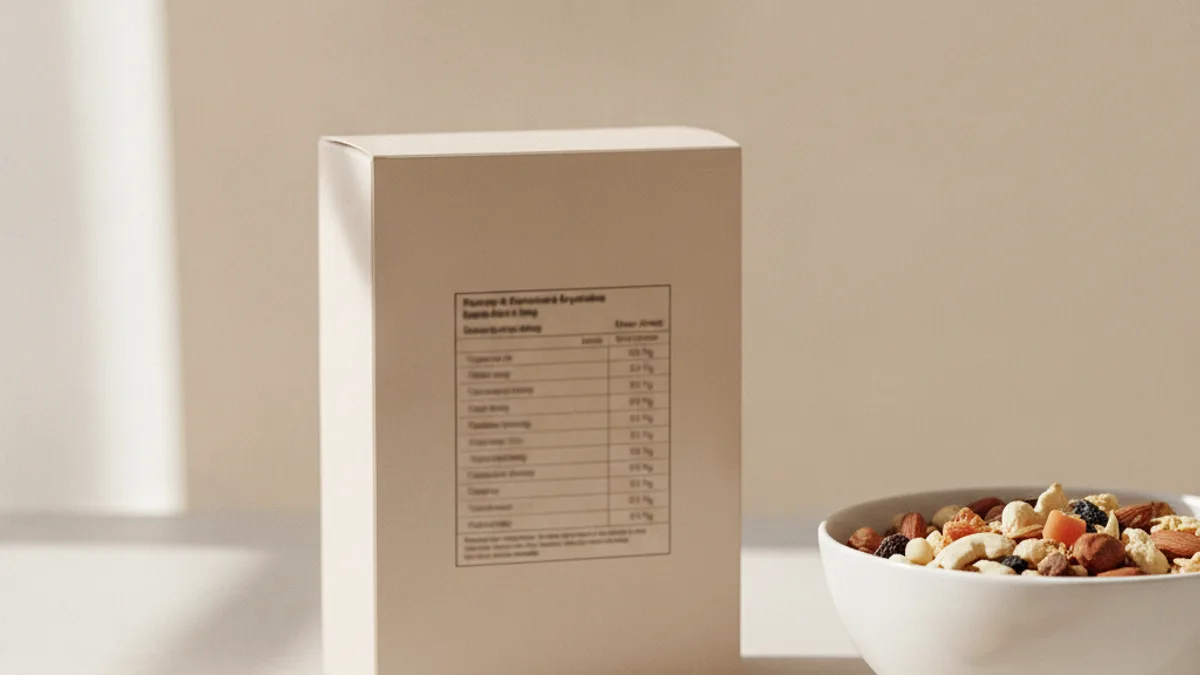
One kilocalorie equals 4.184 kilojoules; to convert back, multiply kilojoules by 0.239 or divide by 4.184. For a quick mental estimate: there are roughly four times as many kilojoules as kilocalories. Below is why both units appear on packaging, how a "calorie" differs from a "kilocalorie," and where the coefficients used to calculate caloric content come from.
Conversion
| From | To | How |
|---|---|---|
| kJ | kcal | multiply by 0.239 |
| kcal | kJ | multiply by 4.184 |
| cal | kcal | divide by 1000 |
| kcal | cal | multiply by 1000 |
Examples: 2000 kcal is 8368 kJ. 500 kJ is approximately 120 kcal. A 1000 kJ serving is about 239 kcal.
Calorie and kilocalorie are not the same
A calorie is the amount of energy needed to heat one gram of water by one degree. It is a tiny unit and inconvenient for food, which is why the kilocalorie—one thousand calories—is used.
In everyday life, "calorie" almost always means kilocalorie: when people say "an apple has 80 calories," they mean 80 kcal, or 80,000 calories. This rarely causes confusion, but packaging labels are strict: they use kcal.
Why there are two units on the label
The kilojoule is an SI unit, and labeling regulations require energy content to be stated in it. The kilocalorie remains the unit consumers are most familiar with, so both are listed: "kJ / kcal."
Practical takeaway: look at the unit next to the number, not just the number itself. The 4.184-fold difference is the most common reason for confusion like "why is it 1500 here and 360 there," when both values refer to the same product.
For more on what to look for in a nutrition facts table, see our article on nutrition labels.
Where 4, 4, and 9 come from
The caloric content of a product is not measured by burning it, but calculated: the mass of each macronutrient is multiplied by its specific coefficient.
- Proteins — approximately 4 kcal per gram;
- Carbohydrates — approximately 4 kcal per gram;
- Fats — approximately 9 kcal per gram;
- Alcohol — approximately 7 kcal per gram; see our article on calories in alcohol;
- Dietary fiber and polyols — have their own, lower coefficients.
The coefficients account for the fact that not everything is absorbed: some of what is eaten is not digested, and some energy is spent on the digestion process itself. This is why protein has a coefficient of 4, even though it provides more energy when fully burned.
A check to catch typos
A useful trick for reading labels: multiply proteins and carbohydrates by 4, fats by 9, and add them up. The result should match the stated caloric content within a few percent.
If it does not match significantly, there are three possibilities: the product contains alcohol or polyols with their own coefficients, the values have been heavily rounded, or there is a typo in the table. This same check helps in choosing reliable entries in an app—for more on data quality, see our article on food databases.
Other "calories"
You may encounter "Cal" with a capital C—in English-language sources, it denotes a kilocalorie, the same as our kcal. Gigacalories from a heating bill have nothing to do with food: it is the same unit of energy on a different scale.
To find out how many kilocalories you personally need, see our calculation in the article on daily calorie requirements, and for how much that is in grams of food, see our article on 1200, 1500, and 2000 kcal.
Frequently asked questions
- How to convert kilojoules to kilocalories?
- Multiply by 0.239 or divide by 4.184. For a quick mental estimate, there are roughly four times as many kilojoules: 2000 kcal is 8368 kJ, and 500 kJ is about 120 kcal.
- What is the difference between a calorie and a kilocalorie?
- A kilocalorie is one thousand calories. One calorie heats a gram of water by one degree; for food, this is too small a unit. In everyday life, the word "calorie" almost always refers to a kilocalorie.
- Why are there two energy value numbers on the packaging?
- The kilojoule is an SI unit that must be indicated, while the kilocalorie is more familiar to the consumer. Both numbers refer to the same product and differ by a factor of 4.184.
- Where do the coefficients 4, 4, and 9 come from?
- These are the average values of energy that the body receives from a gram of protein, carbohydrates, and fat, taking into account that not everything is absorbed. Alcohol has a coefficient of about 7, while dietary fiber and polyols have their own lower values.
- How to check a nutrition facts table for errors?
- Multiply proteins and carbohydrates by 4, fats by 9, and add them up: the result should match the stated caloric value within a few percent. A noticeable discrepancy indicates the presence of alcohol, significant rounding, or a typo.
Read next
- Calories and macros on the label: why the numbers don't match reality — The same buckwheat in three different apps gives three different calorie counts, and the package shows a fourth.
- What is KBZHU — KBZHU represents four numbers that describe food: caloric content and the three macronutrients that make it up.
- Daily calorie intake — There is no universal norm: it depends on weight, height, age, sex, and activity level.
This article is for general information. It is not medical advice, a diagnosis, or a prescription for treatment or a diet, and it does not replace a consultation with your doctor. If you have a health condition, are pregnant, take medication, or follow a diet prescribed to you, decisions about food belong with your doctor.
Figures from regulations, guidelines and studies are given as they stood when this article was prepared and may since have changed; check them against the primary sources. This article is not advertising, an offer, or individual advice, and neither the author nor the site owner is responsible for decisions taken on the basis of it.