Water and electrolytes during training: when plain water is not enough
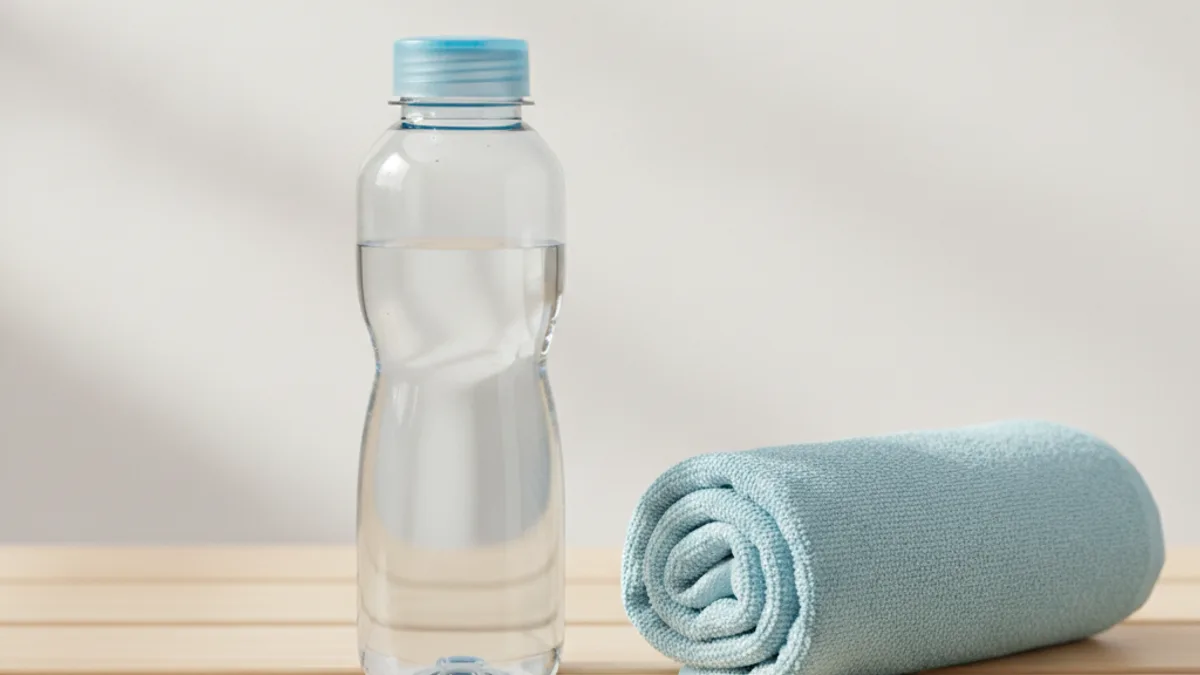
Plain water is enough for almost everyone, almost all the time. Sports drinks with electrolytes are designed for specific conditions—long-duration exercise, heat, and heavy sweating—and outside of these conditions, they remain just sweetened water. Figuring out where the line is drawn is easier than it seems: all you need is a scale.
What is lost in sweat
Sweat is water with dissolved salts, primarily sodium, and to a lesser extent potassium, chloride, and magnesium. Losses vary significantly between individuals: some people have noticeably salty sweat, while others do not, and this is an individual trait, not a sign of fitness level.
The volume of loss depends on intensity, temperature, humidity, and clothing. During an hour of moderate activity, one typically loses between half a liter and a liter and a half; in heat and at high intensity, this is higher.
How to measure your losses
The method is simple and more accurate than any chart:
- Weigh yourself before training, preferably without clothes.
- Train, keeping track of how much you drank.
- Weigh yourself afterward, after toweling off dry.
The difference in weight plus the volume consumed is your fluid loss. A kilogram of difference corresponds to approximately one liter.
A single measurement tells you little, but three or four in different conditions provide a practical baseline. It also answers the question of "how much to drink": enough so that the difference does not exceed approximately 2% of your body weight.
When water is enough
In almost all standard cases:
- training lasting up to an hour or an hour and a half;
- moderate indoor temperature;
- a standard diet with a normal amount of salt.
The last point is more important than it seems: sodium is consumed in excess in a standard diet, primarily from processed foods—this is covered in the article about salt in processed foods. There is no need to add it separately during an hour-long workout.
How much water is needed in total per day and where the two-liter recommendation came from is covered in the article about water.
When electrolytes make sense
- Activity lasting longer than an hour and a half to two hours. Long-distance running, cycling, hiking.
- Heat and high humidity. Losses increase significantly.
- Heavy and salty sweating. White streaks on clothing and the face are a noticeable sign.
- Multiple training sessions per day with short intervals.
In these cases, a drink with sodium and carbohydrates solves two problems at once: it retains fluid and provides fuel. Regarding the second part, see the article about carbohydrates for endurance.
What not to do
Drink too much "just in case." Excessive drinking over long distances while losing sodium is a rare but real condition involving a drop in blood sodium concentration, and it is more dangerous than mild dehydration. The guideline is to drink according to thirst and not exceed your measured losses.
Assume a sports drink is healthy on its own. Outside of long-duration exercise, it is just sugar water: 500 ml provides about 120–140 kcal, which usually doesn't make it into a food diary. The mechanism is explained in the article about calorie counting apps.
Replace water with energy drinks. This is a different product with a different purpose, and it is covered in a separate article about energy drinks.
Restrict water for the sake of the scale. This is a technique from competitive preparation, analyzed in the article about body cutting, and it is meaningless in everyday life.
A simple plan
- Before training: a glass or two an hour prior.
- During: drink to thirst, in small sips.
- After: replace the volume lost, spread over a couple of hours, not all at once.
- Electrolytes: only for long-duration activity, in the heat, or if you have noticeably salty sweat.
Frequently asked questions
- How much should I drink during training?
- Drink to thirst, in small sips, based on your measured losses. A practical guideline is to ensure that weight loss during training does not exceed approximately 2% of your body weight.
- How do I know how much fluid I am losing?
- Weigh yourself before and after training, after toweling off dry, and add the volume consumed to the difference. A kilogram of difference corresponds to approximately one liter. Three or four measurements in different conditions provide a practical baseline.
- Are sports drinks with electrolytes necessary?
- For activities lasting longer than one and a half to two hours, in hot weather, and with heavy, salty sweating — yes. For a one-hour indoor workout, water is sufficient: sodium is already consumed in excess in a standard diet.
- Is it possible to drink too much?
- Yes. Excessive drinking during long-distance exercise while losing sodium leads to a drop in its concentration in the blood, which is more dangerous than mild dehydration. The guideline is to drink according to thirst and not exceed measured losses.
- How many calories are in a sports drink?
- About 120–140 kcal per 500 ml. Outside of long-duration exercise, this is just sugar water, and these calories are usually not included in a food diary because the drink is not perceived as food.
Read next
- How much water to drink per day and where the two liters came from — Everyone knows the "two liters a day" rule, but almost no one knows where this figure came from.
- Carbohydrates during long workouts: when food is needed during exercise — Gels, isotonic drinks, and bars on the course solve one problem — preventing fuel from running out where it is truly needed.
- What to eat before a workout — The question "what to eat before a workout" is almost always actually a question of "how long before.
- Sauna and the heart: what the Finnish cohorts showed and where the link ends and the conjecture begins — The sauna often appears in biohacking not because there are robust trials on it, but because it has a compelling curve from Finnish cohorts: the more often people visited the sauna, the lower their cardiovascular mortality.
This article is for general information. It is not medical advice, a diagnosis, or a prescription for treatment or a diet, and it does not replace a consultation with your doctor. If you have a health condition, are pregnant, take medication, or follow a diet prescribed to you, decisions about food belong with your doctor.
Figures from regulations, guidelines and studies are given as they stood when this article was prepared and may since have changed; check them against the primary sources. This article is not advertising, an offer, or individual advice, and neither the author nor the site owner is responsible for decisions taken on the basis of it.