How breasts may change with weight loss: size, shape, and comfort
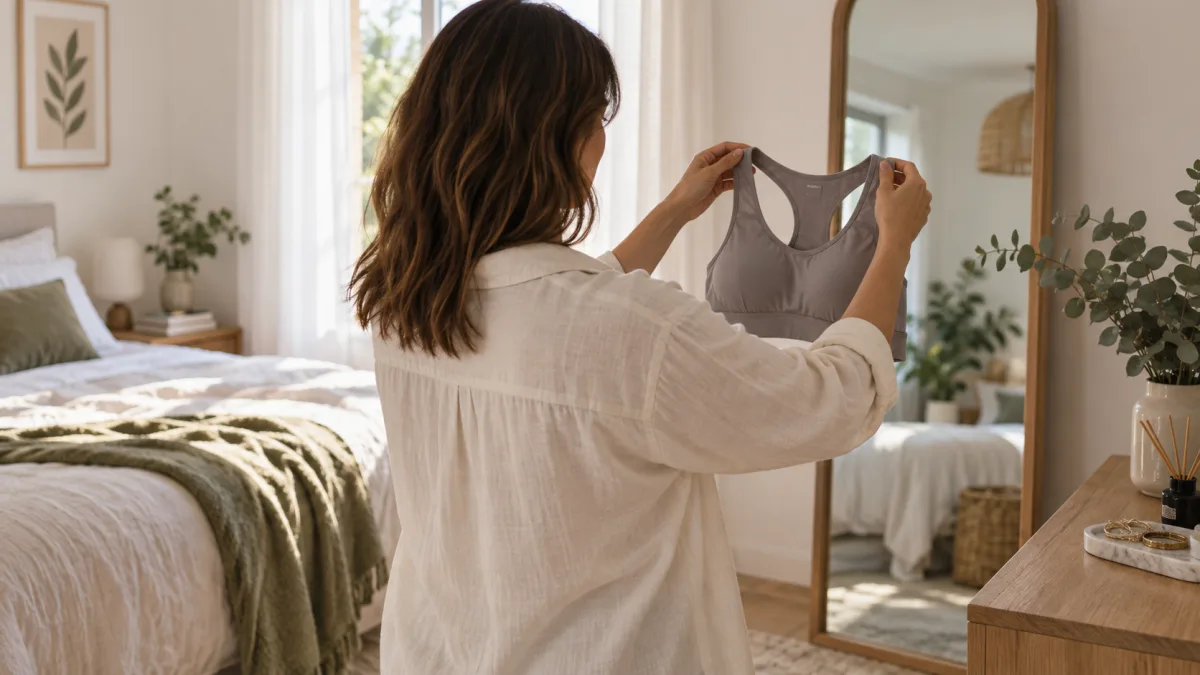
Breasts may become smaller or change shape as weight falls, but there is no way to calculate that change from pounds or kilograms lost. Breasts contain fatty, glandular, and connective tissue in proportions that vary between people. A change in size alone says nothing about breast health or how well weight loss is going.
Why breasts may become smaller
Breasts contain fatty, glandular, and connective tissue. Fat contributes to their volume and contour; the pectoral muscles lie beneath the breast. The US National Cancer Institute (NCI) anatomy guide shows these structures. As overall body fat decreases, breast volume may decrease too. Appearance or cup size cannot tell you the proportion of each tissue.
A measured change is not a formula for everyone. In a study of 80 women after bariatric surgery, mammograms showed an average 39.4% reduction in breast volume and a 15.5% reduction in fibroglandular volume. Images were taken at varying times before and after surgery. These findings describe people after surgical treatment for obesity; they do not predict what will happen to someone changing their eating or activity.
Why shape can change even when size changes little
After a change in volume, skin may look looser and the breasts may sit differently. Age, pregnancy, and earlier weight changes also affect shape. Mayo Clinic notes that weight changes can stretch breast skin and reduce its elasticity.
A small difference between the two breasts is common and may become more noticeable as weight changes. If asymmetry is new or one breast changes independently of the other, discuss it with a clinician. NHS Cornwall clinical guidance recommends assessment of new asymmetry to check for a cause unrelated to weight.
What exercise, a bra, and skin cream can do
Exercise strengthens the pectoral muscles beneath the breasts. It cannot choose where fat is lost or restore stretched skin. Strength and posture training may still be useful, but anatomy does not support a promise that exercise will bring back an earlier breast shape.
If your breasts hurt or get in the way during activity, a supportive bra that fits can make movement more comfortable. Leeds Teaching Hospitals NHS Trust recommends a well-fitting bra and a sports bra for exercise. This provides support while you wear it; it does not permanently change the tissue's shape.
Cream can help dry skin, but there is no reason to expect it to restore lost breast volume. If changes in appearance bother you, you can start by finding underwear that fits your current body and allowing time to adjust. You do not need to pursue a particular breast shape or continue losing weight despite feeling unwell.
When to get a breast change checked
Do not attribute a new lump in the breast or armpit, a newly inverted nipple, skin changes, unusual discharge, or a one-sided shape change to weight loss without assessment. The NHS advises seeing a clinician for these changes. They often have causes other than cancer, but a photograph, body weight, or self-assessment cannot distinguish them.
Weight loss that you did not intend also deserves medical attention. If changes began after pregnancy or during breastfeeding, that context matters too; see our guide to postpartum weight changes. Our article on spot reduction explains why exercise cannot select a body area for fat loss.
Frequently asked questions
- Will my breasts necessarily get smaller if I lose weight?
- No. Breast fat may decrease, but the amount of fat and each person's response vary. Pounds or kilograms lost cannot predict a cup size.
- Can exercise preserve breast shape?
- Exercise trains the muscles beneath the breasts. It cannot restore lost fatty tissue or guarantee the skin's previous firmness.
- Will a sports bra help?
- A well-fitting one may support the breasts and reduce discomfort during movement. It will not permanently change their shape.
- When should I see a clinician?
- Seek an assessment for a new lump, skin or nipple change, unusual discharge, new one-sided asymmetry, or weight loss you did not intend.
Read next
- Postpartum weight: what goes away on its own and what requires effort — The first 5–7 kilograms are lost during childbirth and in the following weeks without any effort — this is the baby, amniotic fluid, placenta, and excess fluid.
- How to lose belly fat: what works and what doesn't — The search for "how to lose belly fat" almost always assumes that there is an exercise or product that targets this specific area.
- Cellulite and weight loss: what may change and what remains — Weight loss sometimes makes cellulite less visible, but it cannot guarantee that the dimples will disappear.
- How to lose weight without counting calories — Counting calories is a tool, not a requirement.
This article is for general information. It is not medical advice, a diagnosis, or a prescription for treatment or a diet, and it does not replace a consultation with your doctor. If you have a health condition, are pregnant, take medication, or follow a diet prescribed to you, decisions about food belong with your doctor.
Figures from regulations, guidelines and studies are given as they stood when this article was prepared and may since have changed; check them against the primary sources. This article is not advertising, an offer, or individual advice, and neither the author nor the site owner is responsible for decisions taken on the basis of it.