Flavorings: how 'natural' differs from 'nature-identical'
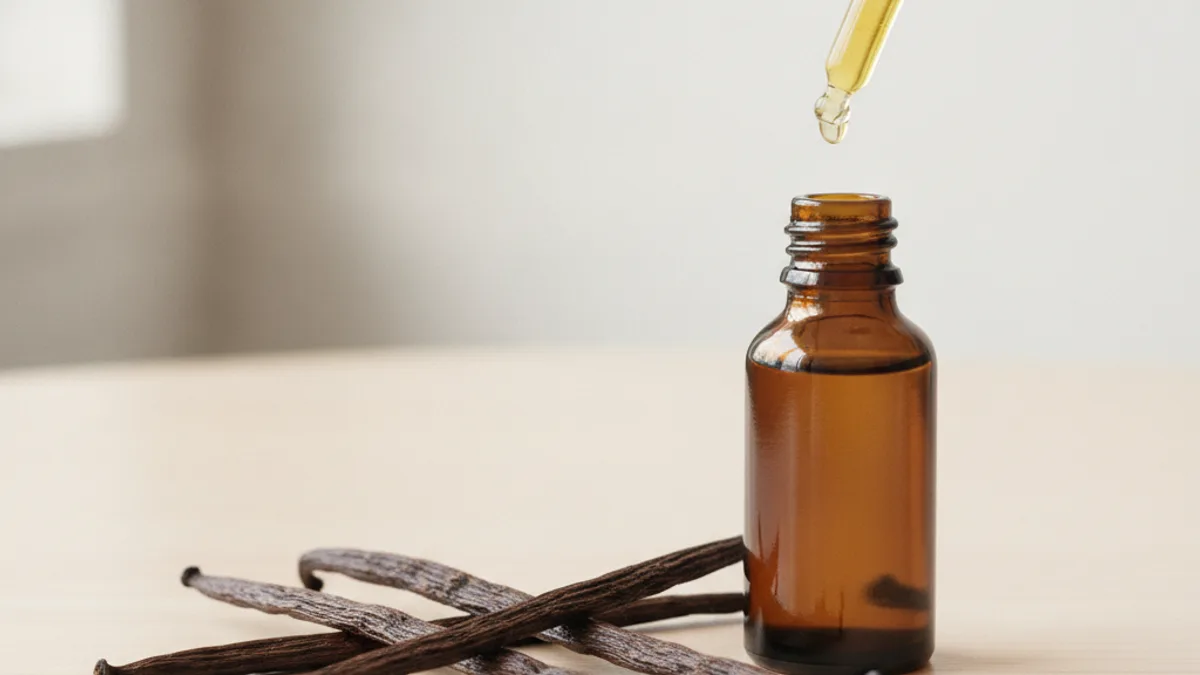
The common division into natural, nature-identical, and artificial flavorings has become ingrained in food discussions, even though it is no longer used in its original form in current regulations. Most importantly, it says nothing about the substance itself: a vanillin molecule extracted from a pod and one obtained through synthesis are identical.
How it used to be and how it is now
The previous classification divided flavorings into three types based on origin: those obtained from natural raw materials, those obtained through synthesis but matching the composition of natural ones, and synthetic ones without a natural counterpart.
Current regulations use a different division. There is a natural flavoring—with requirements regarding what it is derived from—and other flavoring substances, to which their own rules apply. The 'nature-identical' category no longer exists in labeling, although it remains in common usage.
The practical meaning of the requirement for the word 'natural' is simple: it limits the origin, not the properties.
Why origin changes little
Vanillin is a specific molecule. It can be extracted from a vanilla pod, obtained from wood lignin, or synthesized. In all three cases, the same substance enters the product, and the body cannot distinguish between them—for the same reason it does not distinguish the origin of glutamate, as discussed in the article on monosodium glutamate.
There is a difference, but it lies elsewhere. A natural extract contains not just one molecule, but dozens of accompanying ones, and therefore has a more complex aroma. A synthesized substance provides a more direct and unambiguous flavor. This is a matter of taste and price, not safety.
What lies behind the word 'flavoring' in the ingredients list
Usually, it is not a single substance, but a composition—a mixture of aromatic components with a solvent and a carrier. Its full composition is not disclosed on the label, and this is legal: the composition is considered a single ingredient.
Hence a practical feature: the phrase 'natural vanilla flavoring' in the ingredients list does not allow you to know exactly what is inside. For a person with an allergy, this matters—but a different rule applies here: if the composition includes a component from the list of mandatory allergens, it must be disclosed. This is covered in the article on mandatory allergens.
Why they are needed
- To restore aroma lost during processing. Heating and drying destroy volatile substances, and without them, the product smells like cardboard.
- To standardize batches. Raw materials change, but the consumer expects the same taste.
- To reduce costs. Flavoring is cheaper than real vanilla or berries, and this is the most common reason.
- To create a flavor that doesn't exist. Chewing gum and beverages—there is no original product there at all.
The third and fourth points are what you should notice: flavoring in yogurt often means there is little fruit in it. This can be verified by the fruit content indicated as a percentage in the ingredients list—the reading order is in the article on reading ingredients in ten seconds.
Flavor enhancers are a different group
They are often confused with flavorings. A flavoring adds its own scent; a flavor enhancer has no scent and makes the perception of an existing flavor more vivid. The latter includes glutamate and its group, as well as ingredients without a code—yeast extract, hydrolyzed protein—which are discussed in the article on how additives are hidden.
What to do with this
- Do not look for a difference in harm between 'natural' and the rest. It is not there; the difference is in origin and price.
- Read 'flavoring' as a signal. It often replaces the original product, and this is visible by the share of raw materials.
- Consider it in case of allergies. The composition is not fully disclosed, but mandatory allergens within it must be.
- Look at the list as a whole. A flavoring rarely comes alone—usually, a colorant and a sweetener are nearby.
Frequently asked questions
- How does a natural flavoring differ from a nature-identical one?
- By origin, not by properties. The 'nature-identical' category no longer exists in current labeling; the requirement for the word 'natural' limits what the substance is derived from. The molecule itself is identical.
- Are vanillin from a pod and synthetic vanillin different substances?
- No, the molecule is the same. The difference is that natural extract contains dozens of accompanying substances and has a more complex scent, while the synthesized version provides a more direct aroma. It is a matter of taste and price.
- Why does the label not specify what kind of flavoring it is?
- Because it is a composition—a mixture of aromatic components with a solvent and a carrier—and it is considered a single ingredient. The full composition of the mixture is not disclosed on the label.
- Are flavorings dangerous for people with allergies?
- The composition is not fully disclosed, but if it includes a component from the list of mandatory allergens, it must be stated. In case of severe reactions, it makes sense to clarify the composition with the manufacturer.
- How does a flavoring differ from a flavor enhancer?
- A flavoring adds its own scent, while a flavor enhancer has no smell and makes the perception of an existing flavor more intense. These are different groups with different functions.
Read next
- Food dyes: which ones are restricted and why — The color of food carries information: it is used to judge ripeness, freshness, and taste even before the first bite.
- How manufacturers hide additives in the ingredient list — A short ingredient list sells better than a long one, and manufacturers know it.
- Monosodium glutamate: why E621 is feared more than other additives — Food additives have a general background of suspicion, but E621 stands apart: it is feared specifically, with symptoms and stories.
This article is for general information. It is not medical advice, a diagnosis, or a prescription for treatment or a diet, and it does not replace a consultation with your doctor. If you have a health condition, are pregnant, take medication, or follow a diet prescribed to you, decisions about food belong with your doctor.
Figures from regulations, guidelines and studies are given as they stood when this article was prepared and may since have changed; check them against the primary sources. This article is not advertising, an offer, or individual advice, and neither the author nor the site owner is responsible for decisions taken on the basis of it.