Protein and gainer: how they differ and if they are needed at all
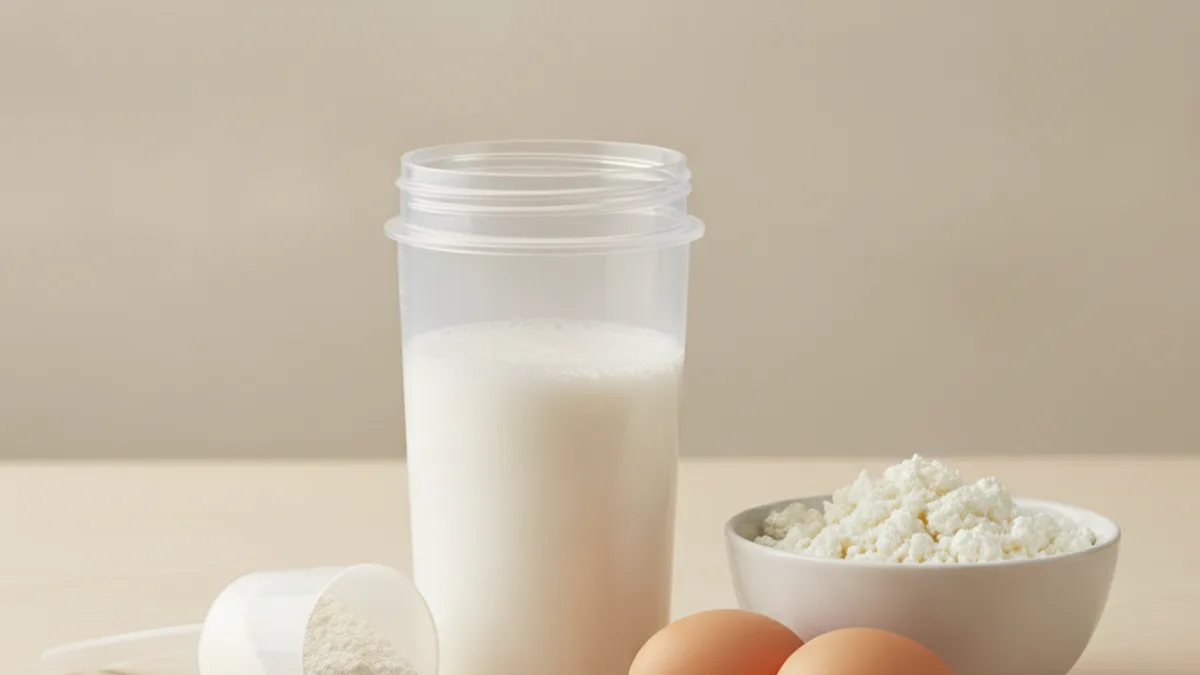
Protein powder is dried milk or plant protein, not a separate class of substances with unique properties. A gainer is the same protein with added carbohydrates. Understanding these two sentences answers most questions asked about them, including the main one: whether a specific person needs them.
What is in the tub
Protein is concentrated protein. Most often it is whey: it is obtained from whey, a byproduct of cheesemaking. Less common is casein—the second milk protein—and plant-based options from peas, soy, and rice.
Gainer is the same protein plus carbohydrates, usually maltodextrin, in a ratio of approximately one to two or one to three in favor of carbohydrates. That is, it is primarily a carbohydrate product, not a protein one.
Neither one is a supplement in the sense of a "substance with a specific effect." It is food in a convenient form, and its legal status is appropriate—the difference between supplements, vitamins, and medicines is analyzed in the article on dietary supplements.
Types of protein and how they differ
| Type | Features |
|---|---|
| Whey concentrate | Cheaper, 70–80% protein, some lactose and fat remain |
| Whey isolate | More expensive, 85–90% protein, almost no lactose |
| Hydrolysate | Partially broken down, more expensive, no practical difference for most |
| Casein | Digested more slowly, often taken at night |
| Plant-based | Pea, soy, rice; blends balance the amino acid profile |
Isolate makes sense if you have lactose intolerance—the mechanism is analyzed in the article on lactose. Otherwise, the difference between types for a person who trains in the gym several times a week is small.
Is powder necessary
The question comes down to arithmetic: is the daily protein requirement met by regular food? A guideline is about 1.4–1.6 g per kilogram of body weight when training, and the analysis is in the article on protein per day.
If the requirement is met, the powder adds nothing: in a meta-analysis of 49 studies, the increase in lean body mass stopped growing at a total intake of about 1.6 g per kilogram, regardless of where the protein came from.
If it is not met, powder is a convenient way to reach it. It is not the only way: cottage cheese, eggs, and Greek yogurt solve the same problem and are cheaper per gram of protein. Powder wins in one respect—it does not require cooking or cold storage.
Who does not need a gainer
Almost everyone who asks about it. A gainer is designed for people who find it difficult to get enough calories from regular food: high expenditure, poor appetite, or a lean physique. This is a narrow task.
For everyone else, a gainer is an expensive way to drink an extra 500–700 kcal, which are easier to get from regular food and which are most often not needed at all. If the goal is weight loss, a gainer directly contradicts it: the mechanics are in the article on calorie deficit.
What to check on the tub
- Protein content per serving. You need to count grams of protein, not grams of powder: in concentrate, there is 70–80%, not 100%.
- Ingredients. Besides protein, there are sweeteners, flavorings, thickeners, and sometimes sugar. How to read them is in the article on ingredients in ten seconds.
- Price per gram of protein, not per tub. The trick is the same as with the price per kilogram on the shelf—this is covered in the article on price per kilogram.
- Absence of promises. Phrases about "muscle growth" and "fat burning" on protein packaging are marketing: protein by itself, without exercise and without a deficit, does neither.
On safety
For a healthy person, protein from powder does not differ from protein from food: in digestion, both are broken down into amino acids. Expert bodies have not established an upper limit above which protein is proven to harm healthy individuals.
A separate caveat is kidney disease, where protein intake is limited by a doctor's recommendation. This applies to protein from any source, not just powder.
Frequently asked questions
- What is the difference between protein powder and a gainer?
- Protein is concentrated protein. A gainer is the same protein plus carbohydrates, usually in a one-to-two or one-to-three ratio in favor of carbohydrates, making it primarily a carbohydrate product.
- Do I need protein if I work out?
- Only if your daily protein requirement is not met through regular food. In a meta-analysis, the increase in lean body mass stopped growing at a total intake of about 1.6 g per kilogram, regardless of the protein source.
- Which protein should I choose?
- For most people, the difference between types is minor. Isolate makes sense if you are lactose intolerant, as it contains almost none. Hydrolysate is more expensive, but offers no practical advantage for regular workouts.
- Who needs a gainer?
- People who find it difficult to consume enough calories through regular food: high energy expenditure, poor appetite, or a lean physique. If the goal is weight loss, a gainer directly contradicts it.
- Is protein harmful to the kidneys?
- For a healthy person, protein from powder does not differ from protein in food and is broken down into the same amino acids. In cases of kidney disease, protein intake is restricted based on a doctor's recommendation—from any source, not just powder.
Read next
- How much protein do you need per day — There are two opposing figures regarding protein: the official recommendation of about 0.
- Sports supplements: creatine, glutamine, lecithin — The sports nutrition shelf is arranged so that expensive and useless products stand next to cheap and effective ones.
- What to eat after a workout and does the "anabolic window" exist — The rule that you must "eat protein within half an hour after a workout or it's all for nothing" is known to anyone who has ever stepped into a gym.
This article is for general information. It is not medical advice, a diagnosis, or a prescription for treatment or a diet, and it does not replace a consultation with your doctor. If you have a health condition, are pregnant, take medication, or follow a diet prescribed to you, decisions about food belong with your doctor.
Figures from regulations, guidelines and studies are given as they stood when this article was prepared and may since have changed; check them against the primary sources. This article is not advertising, an offer, or individual advice, and neither the author nor the site owner is responsible for decisions taken on the basis of it.