Egg allergy: where egg white is found besides fried eggs
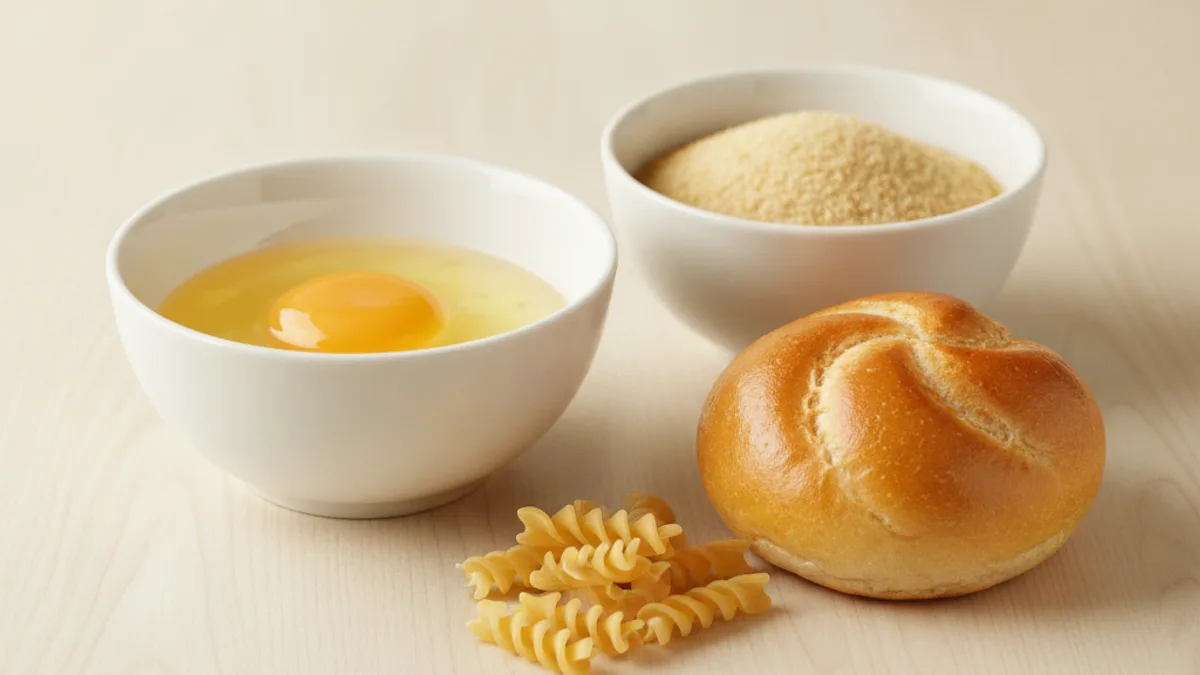
Eggs are one of the most common food allergies in children, and for most, it resolves with age. The practical challenge is not the egg itself, but where it ends up: egg white is used as a binder, a clarifying agent, and a glaze, and it is often listed on labels using terms that do not include the word "egg".
White or yolk
The primary allergens are concentrated in the egg white: ovalbumin, ovomucoid, ovotransferrin, and lysozyme. The yolk is less allergenic, but it is impossible to completely separate one from the other at home—traces of white remain.
Therefore, if an allergy is confirmed, the whole egg is excluded unless a doctor advises otherwise.
Why baked goods are sometimes better tolerated
Some allergenic proteins are destroyed by prolonged heating. This leads to an observation familiar to many parents: a child reacts to an omelet but can safely eat well-baked cookies.
However, ovomucoid is heat-stable, and it is the factor that determines whether a reaction will occur. This is one of the reasons why the decision to introduce heat-treated eggs should be made by a doctor based on test results, rather than by a parent based on observation: the difference between "baked through" and "undercooked" is more significant than it seems.
What terms to look for on ingredient labels
| What is written | What it is |
|---|---|
| Egg powder, melange | Dried or frozen whole egg |
| Albumin, ovalbumin | Egg white |
| Lysozyme (E1105) | Enzyme from egg white, used as a preservative |
| Lecithin (E322) | Usually soy or sunflower, but can be egg-derived |
| Globulin, livetin, vitellin | Egg proteins |
| "Egg wash", "brushed with egg" | Glaze for baked crusts |
Eggs are on the list of allergens that must be disclosed, so they must always be indicated regardless of the amount—see our article on mandatory allergens. However, they may be listed using any of these terms.
Where they are unexpected
- Mayonnaise and sauces based on it. Egg yolk is the basis of the emulsion; the mechanism is explained in our article on emulsifiers.
- Pasta. Some varieties are made with eggs.
- Breadcrumbs and batter. Egg is used as a binder.
- Meat semi-finished products and patties. Same as above.
- Hard cheeses. Lysozyme is used during the aging of some varieties.
- Wine and some juices. Egg white is used as a clarifying agent.
- Marshmallows, meringue, nougat, ice cream. Whipped egg white is used as a structural base.
- Shiny crust on baked goods. Egg wash, which is sometimes not reflected in the ingredient list.
How to substitute in cooking
For baking, one egg can be replaced by one of the following options:
- a tablespoon of ground flaxseed with three tablespoons of water, let sit for 10 minutes;
- half a mashed banana—suitable for sweet dishes;
- 3 tablespoons of applesauce;
- ready-made plant-based starch-based substitutes.
For binding in patties, starch, breadcrumbs, or soaked bread work well. For emulsions in sauces, mustard and plant-based lecithin can be used.
A note on vaccines and medications
Some vaccines are produced using chicken embryos, and in cases of severe egg allergy, this should be discussed with a doctor before vaccination. This is not a reason to refuse vaccinations, but a reason to report the allergy in advance—the decision is made by the doctor.
The general rule is the same as in other materials in this section: in the event of reactions affecting breathing or general condition, seek emergency medical help rather than reading ingredient labels.
Frequently asked questions
- What exactly causes the reaction in an egg allergy?
- The main allergens are concentrated in the egg white: ovalbumin, ovomucoid, and lysozyme. The yolk is less allergenic, but it is impossible to completely separate it from the white at home, so the whole egg is usually excluded.
- Why is baked food tolerated better than an omelet?
- Some allergenic proteins are destroyed by prolonged heating. However, ovomucoid is thermostable, and it is this protein that determines whether a reaction will occur, so the decision to introduce thermally processed eggs must be made by a doctor.
- Under what names does egg appear in ingredients?
- Egg powder, melange, albumin, ovalbumin, lysozyme, globulin, livetin, vitellin. Lecithin is usually soy or sunflower-based, but can also be egg-based — this is specified in the ingredients.
- In which unexpected products can egg be found?
- In mayonnaise and sauces based on it, in some pasta, in breading and batter, in meat semi-finished products, in some hard cheeses via lysozyme, in wine and juices as a clarifying agent, in marshmallows and meringues.
- How to substitute eggs in baking?
- With a tablespoon of ground flaxseed mixed with three tablespoons of water, half a mashed banana, three tablespoons of applesauce, or a ready-made plant-based substitute. For binding in patties, starch or soaked bread are suitable.
Read next
- Allergens that must be on the label — Manufacturers are required to disclose certain allergens at all times—even when their proportion is negligible and even when they entered the product as part of another ingredient.
- Allergy or intolerance: what is the difference and why it matters — Both conditions are described with the same words: "this makes me feel bad.
- Emulsifiers: what they do in food and what is known about them — Water and fat do not mix—this is a basic fact, and it is the source of half the problems in food technology.
This article is for general information. It is not medical advice, a diagnosis, or a prescription for treatment or a diet, and it does not replace a consultation with your doctor. If you have a health condition, are pregnant, take medication, or follow a diet prescribed to you, decisions about food belong with your doctor.
Figures from regulations, guidelines and studies are given as they stood when this article was prepared and may since have changed; check them against the primary sources. This article is not advertising, an offer, or individual advice, and neither the author nor the site owner is responsible for decisions taken on the basis of it.