How to log one meal: photo, barcode, or recipe
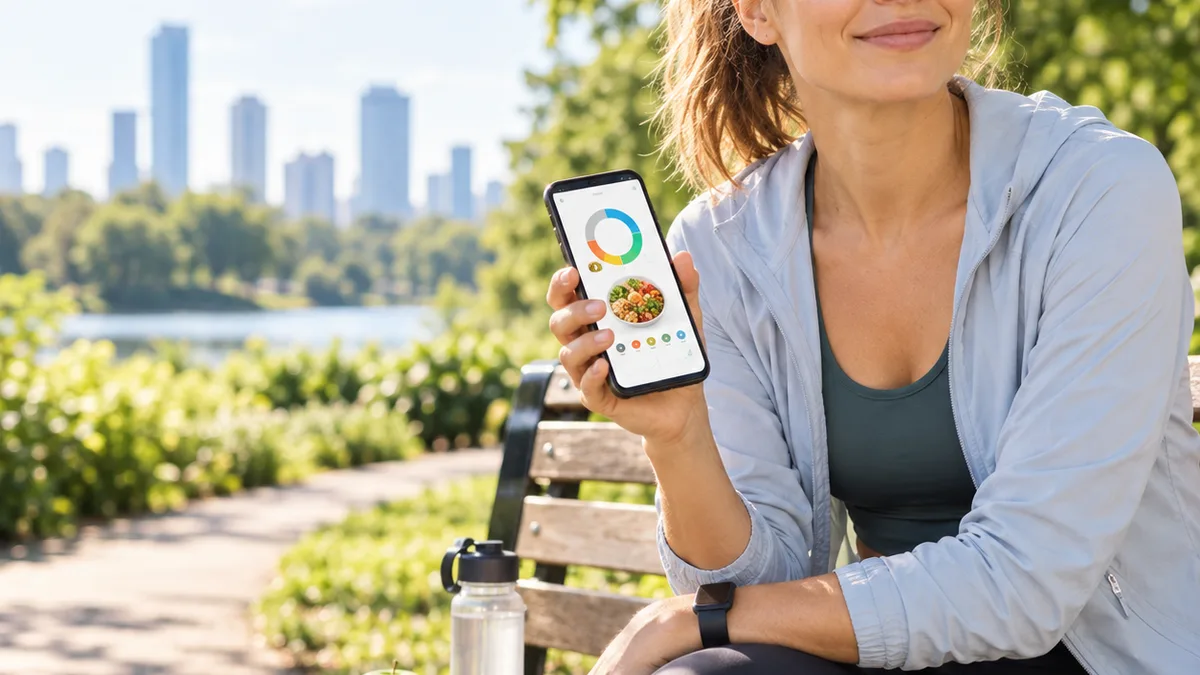
One meal is rarely a single item. A homemade side dish, packaged yogurt, sauce, and a café salad call for different sources of information. The useful goal is not one perfect method, but one source for each part of the meal.
Split the plate by its source of information
First name what is actually in front of you, then decide where each detail comes from. For packaged food, use its label or barcode. For a home-cooked dish you repeat, use a saved recipe. For food with an unknown recipe, use a photo and correct the estimate when you can. This order saves time and keeps the entry clear later.
When a barcode is enough
A barcode links to a product record, but it does not guarantee the current formulation or your serving size. Check the name, serving weight, and nutrition table on the package, especially if the product has changed. Read more about this limit in what barcode data can and cannot tell you.
When to use a recipe
If you cooked at home, save the ingredients and total cooked weight once. Your diary then needs only your serving. This is simpler than rebuilding a soup or casserole every time and makes it less likely that you log both the recipe and the plate as separate meals.
When a photo estimate is more honest
A café meal, delivery order, or shared plate rarely comes with every detail. A photo can capture visible foods and rough portion size, but it cannot reveal oil, sauces, or the recipe. Research describes image-assisted dietary assessment as promising for everyday logging, not error-free measurement — Nutrients.
Log the visible dish, add a short note about sauces or additions, and do not present a guess as an exact number. The next similar order will then have a useful point of comparison.
An order for a mixed meal
- Log the main dish once, using a recipe or a photo.
- Add packaged foods separately if they are not part of the main dish.
- Check the drink, sauce, and small additions.
- Before saving, ask: “Did I enter the same food twice?”
An entry should be useful, not perfect
Food databases and image estimates are approximations, with accuracy that varies by product and portion. For a daily diary, a method that is consistent and understandable to you matters more than forced precision. If accuracy is essential because of a health condition or prescribed diet, make nutrition decisions with a qualified professional.
Frequently asked questions
- Can I add a whole lunch as one entry?
- Yes, if you log it as one dish and know what the estimate includes. Packaged products and drinks that are not part of the dish are better logged separately.
- What if part of the meal is in the database and part is not?
- Use different sources for different parts: the label for packaged food, a recipe for home cooking, and a photo estimate for an unknown dish.
- Should I log sauce and drinks separately?
- If they are not already included in the entry, note them separately or add a brief note. This makes details less likely to be lost.
- How do I avoid duplicate entries after taking a photo?
- After logging a dish from a photo, do not add the whole dish again as a recipe. Use a recipe for another part of the meal or instead of the photo estimate.
- When should I edit an entry manually?
- When you learn an important detail, such as the serving weight on a package, amount of oil, home recipe, or portion size.
Read next
- Restaurant menu: how to add a dish and its nutritional value to your food diary with a single checkmark — Lunch at a cafe is usually where a food diary falls apart.
- Barcode on packaging: what is encrypted in it and what is not — There is a persistent belief about barcodes: that you can supposedly tell the country where a product was made from the first digits, and verify its authenticity from the rest.
- How to count calories in homemade food — Processed foods are counted by the label, and restaurant meals by a reference guide.
- How a neural network recognizes food in a photo — A photo of a plate turns into a number on the screen in a few seconds, and from the outside, it looks like a measurement.
This article is for general information. It is not medical advice, a diagnosis, or a prescription for treatment or a diet, and it does not replace a consultation with your doctor. If you have a health condition, are pregnant, take medication, or follow a diet prescribed to you, decisions about food belong with your doctor.
Figures from regulations, guidelines and studies are given as they stood when this article was prepared and may since have changed; check them against the primary sources. This article is not advertising, an offer, or individual advice, and neither the author nor the site owner is responsible for decisions taken on the basis of it.