Cortisol and weight: what it really does
Cortisol is blamed for stubborn belly fat, a puffy face, and the inability to lose weight, and solutions are sold in a bottle. The hormone does have a relationship with weight, but not the one attributed to it.
How cortisol works normally
This is the primary glucocorticoid, produced by the adrenal cortex. Its task is to provide the body with energy: it raises blood glucose, breaks down reserves, and suppresses processes that are not a priority during stress, including some immune responses.
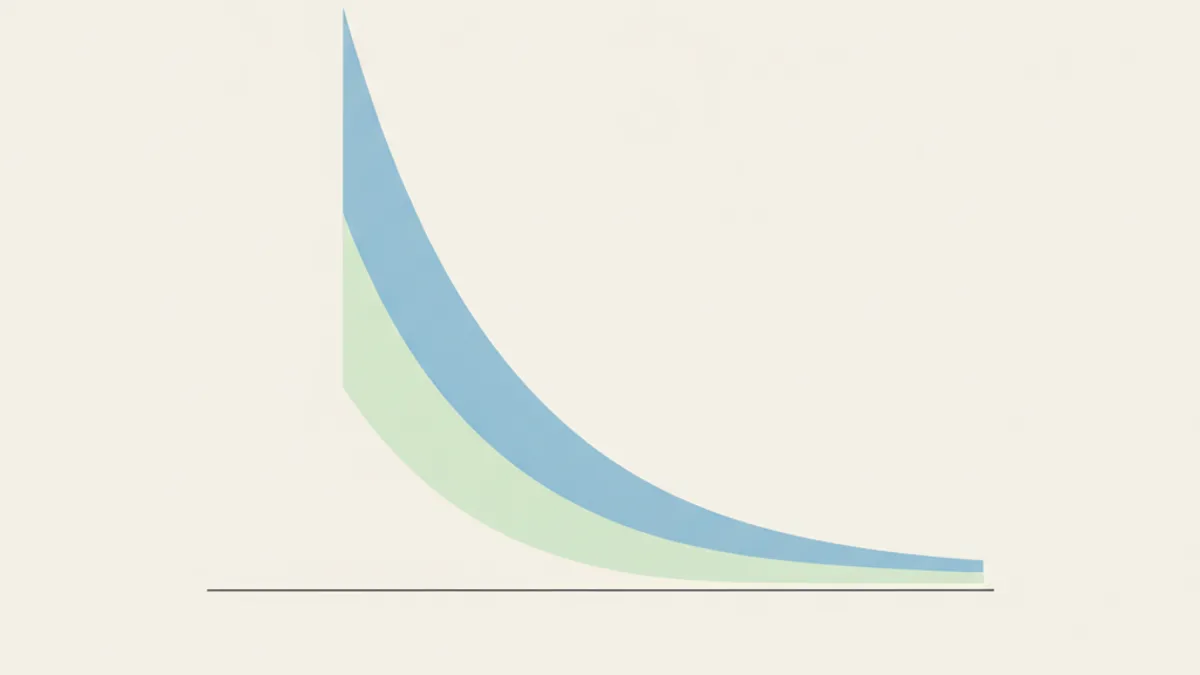
A key property is its circadian rhythm. It peaks in the first hour after waking, and by evening, the level drops nearly tenfold. This is not a malfunction, but a schedule: the morning rise is exactly what gets you out of bed.
What is true: the disease really changes the body
Chronic excess of cortisol—Cushing's syndrome—presents a recognizable clinical picture, which confirms the link between the hormone and weight.
- Fat redistribution: abdomen, face, and the back of the neck, while the arms and legs become thinner.
- Muscle weakness, especially in the thighs: getting up from a chair becomes difficult.
- Purple stretch marks wider than a centimeter, thinned skin, and bruising from minor impacts.
- High blood pressure, high glucose, and osteoporosis.
All of this is real and treatable by an endocrinologist. However, Cushing's syndrome is rare: we are talking about a few cases per million per year. Ordinary work stress does not lead to it.
What is false: the "cortisol face"
A rounded or puffy face is often attributed to cortisol because it is a symptom of the disease. However, facial puffiness has much more common causes, and none of them require an endocrinologist:
| Cause | How to distinguish |
|---|---|
| Salt intake | Goes away in a day or two; read about sources in salt in processed foods |
| Alcohol | The morning after, goes away by evening |
| Lack of sleep | Coincides with short nights — analysis |
| Allergies, runny nose | Seasonality, congestion |
| Weight gain itself | The face gets fuller along with the rest of the body, not separately |
| Sleeping position | Worse in the morning, better an hour after being upright |
The difference between the disease and the list above is that in the disease, fat is redistributed: the center gets fuller, while the limbs get thinner. Uniform weight gain is not about cortisol.
Why testing is rarely helpful
A morning blood cortisol test is the most common and most useless self-initiated step. There are three reasons for this.
It fluctuates significantly throughout the day. A single data point without specifying the time of collection cannot be interpreted.
It rises due to the test itself. The needle, rushing, traffic on the way—all of these are stressors, and cortisol responds to stress.
It rises for a dozen reasons. Pregnancy, contraceptives, acute illness, physical exertion, and depression.
Therefore, diagnostics are structured differently: 24-hour urine collection, late-night salivary cortisol, or a dexamethasone suppression test—and these are prescribed by a doctor when clinical signs are present, not the other way around. There is a separate article about the temptation to order a "panel just in case."
Supplements that lower cortisol
A separate category: ashwagandha, rhodiola, phosphatidylserine, magnesium, and "adrenal support" products.
What is known: there are studies for ashwagandha where cortisol levels and subjective anxiety decreased during intake. However, these trials are small, short, and heterogeneous in terms of preparations and dosages. An analysis of the evidence base for adaptogens is here.
What has not been shown for any of them: that lowering cortisol leads to weight loss. These are two different claims, and the second does not automatically follow from the first.
Regarding "adrenal fatigue": such a diagnosis does not exist in any medical classification. There is adrenal insufficiency—a rare and dangerous condition with a different clinical picture, which is treated with hormone replacement therapy.
What actually works through the same pathway
If the goal is not to "lower cortisol" but to remove what keeps it high, the list is short and free.
- Sleep. Lack of sleep raises evening cortisol and simultaneously increases cravings for high-calorie food—the only factor that addresses both ends of the problem.
- Do not push yourself with a deficit. Severe calorie restriction is a stressor in itself. Reasonable limits are discussed in how to lose weight correctly.
- Do not replace food with coffee. Caffeine raises cortisol, especially on an empty stomach; read about dosages in this analysis.
- Regular moderate exercise. A one-time grueling workout raises cortisol, while regular moderate exercise lowers baseline levels.
- Address food as a coping mechanism. The mechanism is analyzed in the article on emotional eating.
When to see a doctor
Not "just in case," but when symptoms combine: purple wide stretch marks, muscle weakness in the thighs and shoulders, rapid fat redistribution to the center with thinning limbs, newly developed high blood pressure and high glucose, or, in women, the cessation of menstruation. This is a reason to see an endocrinologist, and that is where testing will be appropriate.
If there are no such signs, but weight is not moving, the cause almost always lies elsewhere: thyroid gland, medications being taken, or the difference between what is eaten and what is recorded—typical calorie counting errors.
Frequently asked questions
- Is it true that cortisol causes weight gain?
- Chronic excess in Cushing's syndrome does redistribute fat to the abdomen and face, while the arms and legs become thinner. However, this is a rare disease, and ordinary stress does not lead to such a picture.
- Should I get a cortisol test?
- On its own, it is almost useless. Levels fluctuate significantly throughout the day and rise due to the blood draw itself and a dozen other reasons. A doctor prescribes diagnostics based on clinical signs: 24-hour urine, evening saliva, or a dexamethasone suppression test.
- Do supplements that lower cortisol help with weight loss?
- For ashwagandha, there are small studies showing a reduction in cortisol and anxiety. It has not been shown that this reduction leads to weight loss: these are two different claims, and the second does not follow from the first.
Read next
- Stress eating: why it works and what to do instead — Food really does reduce tension—this is not a character flaw, but a functional mechanism, which is why it becomes a habit.
- How sleep loss affects appetite and weight — Sleep usually turns up in the last paragraph of a weight-loss article, phrased vaguely enough to be safe.
- The thyroid gland and weight: what it explains and what it doesn't — The thyroid gland regulates metabolic rate, making it a convenient explanation for any weight gain.
This article is for general information. It is not medical advice, a diagnosis, or a prescription for treatment or a diet, and it does not replace a consultation with your doctor. If you have a health condition, are pregnant, take medication, or follow a diet prescribed to you, decisions about food belong with your doctor.
Figures from regulations, guidelines and studies are given as they stood when this article was prepared and may since have changed; check them against the primary sources. This article is not advertising, an offer, or individual advice, and neither the author nor the site owner is responsible for decisions taken on the basis of it.