One additive, different rules: why lists do not match
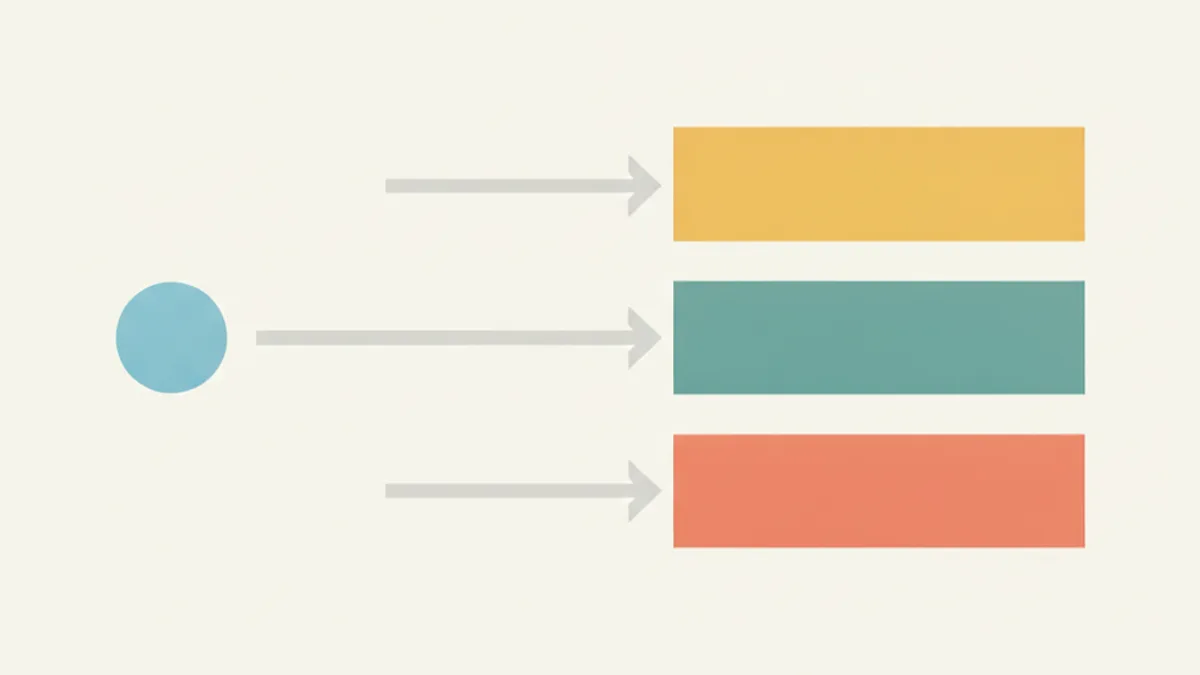
The argument that "this additive is banned in Europe" sounds convincing and almost always requires clarification. The lists indeed do not match, but the reasons for the discrepancies are rarely because one side knows something about a substance that the other does not. More often, it is due to the structure of the approval procedure itself.
Three different mechanisms
EAEU. A positive list system: only substances from the list can be used, with specific products and maximum levels indicated. The basis is technical regulations that are mandatory for all countries in the union.
EU. The same principle of a positive list, but with its own assessment procedure: EFSA prepares a scientific opinion, and the European Commission makes the decision. A distinct feature is the re-evaluation program for all previously authorized additives, which led to high-profile revisions such as titanium dioxide.
US. The structure is different: alongside direct authorization, there is the "generally recognized as safe" (GRAS) status, which a substance can obtain based on available data. The procedure and evidence requirements differ.
Above them all is an international layer: the FAO and WHO Codex Alimentarius and the JECFA expert committee, which evaluates substances and establishes acceptable daily intakes. National regulators rely on these assessments but make their own decisions.
Where discrepancies come from
| Reason | Example |
|---|---|
| Different handling of uncertainty | With insufficient data, one system bans while another maintains the status quo |
| Procedural inertia | The ban outlived the data it was based on — the case of cyclamate |
| Different dietary habits | Limits are calculated based on actual consumption, which varies |
| Different review timelines | The re-evaluation program takes years, and substances have different priorities |
| Lack of an applicant | Inclusion in the list requires someone to actively pursue it |
The second and last rows explain more than half of the cases. The history of cyclamate, which is banned in one jurisdiction and permitted in another based on the same data, is analyzed in our article on cyclamate and saccharin.
How to verify a "banned in..." claim
- Clarify what exactly. A total ban, a restriction by product, a quantity limit, and absence from the list are four different situations.
- Clarify when. Lists change; a claim might refer to the situation from a decade ago.
- Clarify for what purpose. A substance might be banned in baby food but permitted in other products — how this works is analyzed in our article on additives in baby food.
- Check the primary source. Lists are published, and verification takes minutes.
What this means for the consumer
Lists of "additives banned in Europe" found online are unreliable. They circulate for years, mixing revoked authorizations with substances that were never authorized and with adulterants like "Sudan" dyes, which were never food-grade anywhere.
One brand in two countries means different products. The formulation is adapted to the local list; an example is analyzed in our article on the composition of Coca-Cola.
You need to read the package in your hands. The ingredients list on it reflects the rules of the jurisdiction where the product was released for circulation.
A general analysis of regulatory differences goes beyond additives — see our article on standards in different countries, and the status of each code in the Russian Federation and the EU in our E-additive guide.
Frequently asked questions
- Why do additive lists in different countries not match?
- Due to different handling of uncertainty, procedural inertia, differences in actual product consumption, varying review priorities, and the fact that inclusion in the list requires an applicant willing to pursue it.
- How is additive approval structured in Russia?
- Based on the permissive list: only substances from the list may be used, with specific products and maximum levels indicated. The basis is the technical regulations of the Customs Union, which are mandatory for all member countries.
- Can lists of "additives banned in Europe" be trusted?
- Such lists have been circulating online for years and usually mix revoked authorizations, substances never approved for food use, and fakes. It is more reliable to check a specific code against the current list.
- What does the phrase "banned in the USA" mean?
- It should be clarified: the approval system there is different, and a ban may not be procedurally lifted even if the data it was based on has not been confirmed. This happened with cyclamate.
- Are there international rules for additives?
- There is the FAO/WHO Codex Alimentarius and the JECFA expert committee, which evaluates substances and establishes acceptable daily intakes. National regulators rely on these assessments but make their own decisions.
Read next
- Food standards in different countries: why the same product varies — The same brand in two countries may have a different composition, and this is not always about cost-cutting.
- Cyclamate and saccharin: sweeteners that were banned and brought back — The history of these two sweeteners is a prime example of how a scientific conclusion can be retracted.
- How E numbers work: what the first digit tells you — The three-digit number after the letter E is not random: it carries information about why the substance was added.
This article is for general information. It is not medical advice, a diagnosis, or a prescription for treatment or a diet, and it does not replace a consultation with your doctor. If you have a health condition, are pregnant, take medication, or follow a diet prescribed to you, decisions about food belong with your doctor.
Figures from regulations, guidelines and studies are given as they stood when this article was prepared and may since have changed; check them against the primary sources. This article is not advertising, an offer, or individual advice, and neither the author nor the site owner is responsible for decisions taken on the basis of it.